Episode 656 min
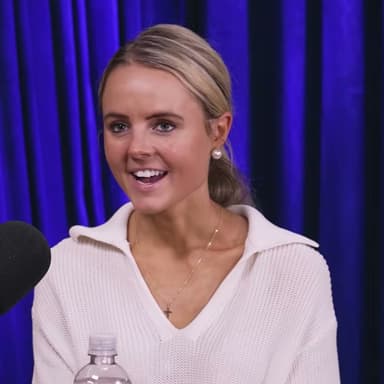
Addison LaBonte
Founder & CEO, Sweet Addison's
Build the audience before you build the product
She spent six years building an audience for gluten-free desserts, then discovered the thing they wanted did not exist. So she baked it.
Where to watch and listen
- Launched Sweet Addison's out of her apartment kitchen
- Jan 2024
- Total startup cost. No outside capital, and she still owns 100%
- $5,000
- First month's sales, with no paid marketing at all
- $7 to $8K
- On the Christmas cookie recipes that produced the first buy requests
- 5M views
- When paid ads went on, the same month she moved to a commercial kitchen
- Month 6
- Of America has never heard of the brand, by her own estimate
- 99%
Follow Addison LaBonte
“Most people create a business and then try to create the community. Thankfully, I had that community first.”
Addison LaBonte walked on to a Division I soccer team, majored in math, and went into finance because that was what her parents did. A diagnosis took running away from her, cutting gluten gave it back, and the recipe account she started to document that grew into a following of a hundred thousand people asking her one question she could not answer: where do we buy these? Sweet Addison's launched in January 2024 on five thousand dollars out of her apartment kitchen. She still owns all of it.
The order of operations is the whole story. Addison LaBonte started Organically Addison roughly ten years ago, after a compartment syndrome diagnosis left her with a choice between surgery and never running again. She took a third option, overhauled her diet, found gluten was the problem, and started posting the recipes because when she went looking for information there was almost none. The first thousand followers took about a month. Ten thousand took four or five more. Ad revenue on the blog hit a thousand dollars in a month and she remembers being stunned by it, then brand deals reached five thousand a month, which was more than the finance job was paying her.
In December 2022 she ran a series she called 25 Days of Christmas Cookies, one recipe a day on Instagram and TikTok. A few of them reached about five million views, and the DMs that followed were not compliments. They asked where to buy. Her own answer, said out loud to a TSA agent in 2023 who wanted to know why she was flying with a suitcase full of cookies, was that she could not buy them anywhere either, so she had to bring her own. That is the moment she names as the light bulb: an audience asking for a product, a gap she had personally confirmed, and a job she did not want.
The job left before she did. She was fired from finance, and she is direct that it was a favour, reckoning it saved her another six to twelve months of deciding. Sweet Addison's launched in January 2024 with about five thousand dollars of startup cost, a Shopify store and an apartment kitchen. The first month did seven to eight thousand dollars with no paid marketing whatsoever, because the demand had been assembled years earlier. Mike names the pattern plainly: the old way was to make a product and then go find a market, and the new way is to build the channel first and then make what the channel is asking for.
What she did next is the part most audience-first founders skip. She waited. Paid ads did not go on until month six, and only once she had moved out of the apartment and into a commercial kitchen, on the reasoning that turning on demand she could not fill would be a disaster. She found her mentors at Dallas CPG networking events by asking for twenty minutes over coffee before she had a product to show them, and cold-messaged operators on LinkedIn through 2023, where she says most people said yes and nearly all of them passed her along to someone else. Their most useful advice was not tactical. It was to treat the community she already had as her market research group from day one.
The business is bootstrapped, self-manufactured, and hers outright. Protein cookies landed in summer 2025 and protein brownies that winter, just ahead of the protein wave, and the protein cookie is now the best seller. She led with wholesome rather than gluten-free at launch because in early 2024 the label still cost her customers, and she says that has since reversed. Her own estimate of where the company stands is the most useful number in the hour: ninety-nine percent of America has never heard of Sweet Addison's, and she means it as the reason to be excited.
What the conversation covers
The audience was the market research
Her Dallas mentors told her to use the community she already had as a customer feedback group from day one, which is the thing almost no first-time founder has available.
25 days of Christmas cookies
December 2022, one recipe a day on Instagram and TikTok. A few hit around five million views, and the replies asked where to buy rather than how to bake.
The TSA agent who asked about the cookies
She flew with a suitcase of her own baking because nothing on the market qualified. Saying that out loud in 2023 is what turned an audience into a company.
Getting fired was the push
She reckons quitting on her own would have taken another six to twelve months. She calls it a blessing in disguise without any hedging.
Paid ads waited for the commercial kitchen
Month six, and not before. Scaling demand she could not physically fill out of an apartment was the failure she refused to buy.
Twenty minutes over coffee, before she had a product
Dallas CPG events and cold LinkedIn messages through 2023. Most people said yes, and each one handed her along to the next.
Timestamps
Mentioned in this episode
Companies
- Sweet Addison's — Her company. Gluten-free, dairy-free, seed-oil-free cookies and brownies, self-manufactured, shipping to all 50 states
- Organically Addison — The recipe blog and Instagram account that came first, and that supplied the customers on day one
- Ice Cream for Bears — The collaboration she names. Their hot fudge sauce became a Sweet Addison's hot fudge cookie
- Magic Spoon — Her comparison for the runway left in DTC. She believes they reached around $100M direct before going into retail
- Freshly — Mike's company, certified 100% gluten-free through to the sale. His co-founder was diagnosed with celiac after joining
Numbers she gives
- 1 month — To her first thousand followers. Four or five more to ten thousand
- $1,000 — Her first month of blog ad revenue, and the moment it stopped being a hobby
- $5,000/mo — Brand deal income before she left finance, which was more than the salary
- $5,000 — Total cost to start Sweet Addison's. Bootstrapped, still 100% owned
- $7 to $8K — Month one revenue, with zero paid marketing
- Summer 2025 — Protein cookies launched. Protein brownies followed that winter, and the protein cookie is now the best seller
Concepts
- Build the channel, then the product — Mike's framing of what she did. Make the marketing channel first, then make what it asks for
- Your community is your market research — The advice her Dallas mentors gave her, and the one she repeats
- 1,000 true fans — The idea she reaches for to describe the people who said they would buy before anything existed
- Twenty minutes over coffee — How she got mentors with no product and no company. Approach with humility, ask specific questions, do not ask anyone to be your mentor
- Don't scale demand you can't fill — Why paid ads waited for the commercial kitchen
- Fear is what kills most businesses — Her closing answer, and the thing she wants listeners to take from the hour
- Own the bottom of the funnel — Mike's advice to her: TikTok and Instagram at the top, then email, a newsletter or a group chat where distribution is yours
- The founder dip — Mike on the stretch where your peers get promoted and you are asking what you did with your life
Show notes
Addison LaBonte is the founder of Sweet Addison's, a gluten-free dessert brand she started in her apartment kitchen in January 2024 and still owns outright. She built the customers first and the company second.
This episode is presented by Proppel. Hire A-player marketing and ops talent from the US and LATAM, and get 10% off your first hire: https://www.weareproppel.com/theadvantage
Follow Mike on Instagram: https://instagram.com/mikewystrach
A doctor told her she could have surgery for compartment syndrome or stop running for good. She took a third option, cut gluten, and ran again. Almost nothing had been written about any of it, so she started posting her own recipes.
In 2022 she posted a different cookie recipe every day for 25 days. A few hit five million views, and the replies asked where to buy. Sweet Addison's launched thirteen months later on about $5,000. Month one did seven to eight thousand dollars with no paid marketing at all.
No outside money, no board, and she still self-manufactures everything the company sells. By her own estimate ninety-nine percent of America has never heard of Sweet Addison's, which she offers as the reason to be excited rather than the thing to fix.
⏱️ CHAPTERS
00:00:00 Intro
00:02:29 Why A Walk-On Athlete Makes A Better Founder
00:05:26 The Diagnosis That Ended Her Running Career
00:09:36 Getting Fired Was The Best Thing That Happened To Her
00:14:22 The 25-Day Posting Streak That Built Her Customer List
00:15:10 The TSA Moment That Started A Cookie Company
00:19:53 How She Made $7,000 In Month One With No Ads
00:35:23 When To Turn On Paid Ads, And Why She Waited
00:45:32 The Fear That Stops Most People From Starting
00:49:42 How To Start A Brand For $5,000 And Keep 100%
🔗 ADDISON LABONTE
Sweet Addison's: https://sweetaddisons.com
Organically Addison: https://organicallyaddison.com
Instagram: https://www.instagram.com/organicallyaddison
Sweet Addison's on Instagram: https://www.instagram.com/sweet.addisons
🎙️ THE ADVANTAGE
Apple Podcasts: https://podcasts.apple.com/us/podcast/the-advantage-with-mike-wystrach/id6783458081
Spotify: https://open.spotify.com/show/033DuFkyBRu3qvgp8ozPz1
All episodes: https://mikewystrach.com/podcast
⚡ PRESENTED BY PROPPEL
Proppel places A-player marketing and operations talent from the US, LATAM and beyond: video editors, graphic designers and media buyers through to managers, directors and VPs. Performance-based, a one-off fee only once you actually hire, no retainers, no ongoing costs, and every hire carries a three-month guarantee.
Get 10% off your first hire: https://www.weareproppel.com/theadvantage
#AddisonLaBonte #SweetAddisons #TheAdvantage #MikeWystrach
Full transcript
Mike Wystrach in conversation with Addison LaBonte. Lightly formatted from the episode audio.
WiseTrack Co.: So thankful that I was fired. But you've already built now a multi-billion dollar consumer product business. I posted a different cookie recipe on my Instagram and my TikTok, and a few of them went mega viral, like five million views. And I started getting DMs from people across the country saying, where can I buy these? Walk us through kind of the first few months of starting this brand. Like, what did it look like from the inside? I think that first month we did like seven or eight thousand dollars. That's great. And then all of a sudden you now have a hundred thousand people that are looking to you for dessert healthy, gluten-free desserts. How do you get in front of the people that are already chosen to follow you. I can't turn on pay ads out of my apartment kitchen. That's just gonna be a disaster. And at that point this was taking over my life. I mean there were cookies everywhere. I was just so far outside my comfort zone. I mean like wanting to crawl out of my skin some days. I could be making so much more money in corporate America. Nobody I know is doing this. What am I doing with my life? Retail's the next thing for you guys. Addison, so excited to have you on The Advantage today. I'm really excited to dig into the story. I've done a little bit of background, but I think like your story is the thing I always love, is like it, you were your first customer. You are solving your problem. That's always every business I've ever started. I've actually said, like, I was actually the first customer. Like I didn't start it because I was like the domain, like I had the most knowledge. It was just that I had a problem I was trying to fix. And yours was that. But let's before we start about the company you're building and you're doing I mean, walk us through a little bit of like your earlier history. ⁓ you know, I know a D1 athlete, but walk us through kind of like your early days growing up. Where did you grow up? Kind of what did they, you know, when did you start deciding or thinking about like you were gonna start a company or were you always kind of entrepreneurial mindset? No, I never in a million years thought I'd have my own business. I thought I would follow in my parents' footsteps and go into finance and work in a cubicle forever, climb the corporate ladder, get the paycheck every other Friday, that sort of thing. And was that your parents' kind of did your parents have like an you know a traditional? Traditional nine to five jobs. Okay. Yeah. And they never forced that on us, but I saw that they worked really hard, they were successful, and I thought, I'll do the same thing. So I grew up in York, Maine, a really small town on the southern coast of Maine. I'm the oldest of three kids. I have a younger brother, younger sister, two amazing parents. We're super close. I went to the University of Maine for college and then I played soccer there. So as a division one college athlete, that completely changed my life and it's such a part of who I am today. ⁓ but I was a math major. In college. So having a cookie business. And were you did I read Were You a Walk On as well? I was that right? Yes. Wow. So I mean, so that's kind of like I think the first like, you know, the tenacity to to to kind of go and try out, literally try out for that team and make it. ⁓ do you think that's been like do you think athletics played a part in kind of, you know, I guess the startup journey? Do you find parallels there at all? So many parallels. There's no way I could do entrepreneurship without having been a D one athlete. It taught me Pretty much everything I know. What do you think some of those parallel like learning lessons that you got originally from athletics that you were able to transfer into kind of entrepreneurship? I would say the biggest thing is discipline. And the second biggest thing is probably delayed gratification, which comes along with discipline, but working so hard day after day, year after year for this goal that you have that some people can't see. And you don't know if it's gonna pay off. But the discipline of waking up early. Working hard every day and staying focused and not getting distracted by other things. When you're a division one athlete, you have to be disciplined. Let me pause here for a second. This show is brought to you by Propel. They find brands like yours exceptional marketing and operational talent in the US, Latinam markets, and beyond. For now, the links are in the show notes and all of our listeners get 10% off your first hire. Okay, let's get into it. ⁓ in it's a shameless plug here, but in ⁓ I was just writing ⁓ my article for my newsletter this week. And literally it's on ⁓ Nick Sabin's this is a quote that he had along is that you it's all about the process, not the destination. I think that's for athletics, is like obviously in any athletic program, it's to win the championship at the end of of the season. But like in order to get there, you have to enjoy the process. And I think that is so analogous to to startups, is that Before you get to the, you know, the successful exit, the thing, it's like you have to enjoy the process of doing that thing. And there's no guarantee that you're gonna get to that destination. So you really have to enjoy what you're doing. Absolutely agree with that. Yes. And that comes along with the delayed gratification is you're working so hard for years for hopefully that exit someday or hopefully that championship game someday. So being a division one athlete taught me so much about business. And I didn't realize that until I started my own business. And then so you go from a math major, division one athlete. What was the next what like you graduate college? What what was kind of, you know, that that journey is every young college student out there listening today is like that panic of like, ⁓ my God, what am I gonna do next? What what was that next jump you made? So I immediately started working in finance and I just was so unfulfilled. And being a D1 athlete, I was always working on something that I was passionate about. I was always chasing that dream and getting to work hard at something that I truly loved every day. So then transitioning into the real world where I was just going to a finance job, I was like, this is so boring. I need something that I'm really passionate about. So all the while I started training for my first marathon because I thought I'm in the best shape of my life. It's always been on my bucket list. Let's jump right into marathon training. So while that was going on, I experienced all these health issues. The biggest one was my legs would go numb when I was running. ⁓ wow. And I was diagnosed with something called compartment syndrome, which is a blood circulation issue. And it was caused by an excessive amount of inflammation in my body. And my doctor sat me down and said, You might not ever be able to run again. You're doing permanent nerve damage. This is really dangerous. You could get hurt. So you can either get surgery or you can quit running. And I just graduated from college and I thought there has to be a better way. I was just a D1 athlete. What do you mean I can't run? So I overhauled my diet and gluten was the issue. And once I became gluten-free, I could run normally again. So were you gluten intolerant as well? Or do you have some degree of like gluten obviously like gluten intolerance that's causing inflammation? Yeah. So as soon as I became gluten-free, all the inflammator inflammation went down. My weekly headaches went away. I was able to run again. My skin cleared up. I didn't hit like have that afternoon slump every day and I could run again. So we so I mean parallels are pretty insane. So I started freshly and it was originally around like healthy eating. And really what you realize is like for most part, like removing gluten is good for everyone. It's like at some people, but my co-founder who'd actually joined the company because he wanted to just eat healthy, all of a sudden found he started getting like this disability like like literally like a anti-immune. ⁓ his body was like attacking himself and he couldn't he was like going to sleep at like three in the afternoon. And so finally he did a test and he was he had ⁓ he had celiac disease. And so it just happened that freshly was also a hundred percent gluten free. So we all the way through till we sold the business, we were certified hundred percent gluten free. but yeah, I mean for it's crazy how many people are affected to some degree of gluten like like celiacs to gluten intolerance. Like for most everyone, doesn't matter if you're gluten intolerant or not, like the bene the hack is just like getting rid of gluten. Like if you just get rid of gluten, like and wheat and those, but but it's in everything. So it's a it's difficult to for people to get rid of, you know, and then if you have a severe disease, it's really hard. So you so you go from this like ⁓ I obviously like a t a very tough diagnos diagnosis ⁓ with like, you know, life life implications, chose path See, which was changing your diet. Right. ⁓ and that ultimately found results. And I imagine kind of build that passion inside you of like, ⁓ my God, like you can the diet like really does transform kind of your entire life. Where did you do from there? So this was almost 10 years ago, where most people weren't gluten-free. They didn't understand it. You couldn't go to a restaurant and see a whole gluten-free menu like you could today. So I started doing all this research about. Gluten-free celiac disease and compartment syndrome. And there's nothing out there. Wow. So I thought I'm gonna start an Instagram account where I'm posting all my gluten-free recipes and talking about how I train for marathons, what I'm baking at home, and just my whole journey into this new health, healthy life. And that account grew and grew. And especially during COVID, that account really took off because everybody was at home baking, looking for healthier options and everybody was making banana bread. I love gluten-free banana bread. So I started to see though that I was making more money from being And what's the let's plug the Instagram real quick. What's the Instagram page? It's organically Addison. Organically Addison. I was checking out today and like the pictures are absolutely phenomenal. I got a little hungry. Yeah, there's a lot of chocolate on there. So I was starting to partner with brands for brand deals and sponsorships and affiliate deals. And I started very quickly making more money from that than my finance job. And I thought, well, this is something I'm really passionate about. It's really cool to connect with people online. I'm making money. What if I could somehow make this my full-time job? So nights and weekends, I was working like crazy on this, creating a bunch of content, connecting with people online. And then when COVID hit, my finance job went remote. So I would wake up early, try to finish my finance job by like noon every day, and then just work on my business and really grew it and grew it and grew it. And then eventually. I was actually fired from my finance job, which was a blessing in disguise. And I went full time if if you weren't fired, or was that kind of I mean, obviously it pushed you sooner, but do you think you were gonna make that jump without that? It probably would have taken me another six months to a year to quit my job, but looking back, I'm so thankful that I was fired. It was a blessing and disguise. Yeah, some of God's greatest gifts are unanswered prayers. It's like, yeah. Absolutely. Completely agree. And so, and and I think that's like I you know, that's the number one advice I try to give young people or if really anyone is like i if I think people kind of think about starting a business as kind of binary of like, ⁓ I'd love to start a business, but I, you know, I've got a mortgage and I've got it's like, well, you've got what almost everyone has is, you know, 10, 15, 20 hours a week that you can transfer into starting something. And again, to your point, it could be an Instagram account, it could be You know, there's so many different options that you can do to start a new business, but it it does ultimately like the biggest thing I see that is like the is like starting and then starting and then putting the energy into it. And then at some point you you can convert to full time. So you convert it to full time, really at that point, but just around the Instagram, right? So kind of like ⁓ building your own influencer platform. Yes, exactly. And I was In the very early stages of starting Sweet Addisons, I was probably four or five months out from launching. What did it look like in the early days? Like 'cause I I think people some sometimes see these like ramps and the success of like, but like how did that traction like, you know, you start a page, it goes for like what do you remember some of those traction numbers of like, you know, the big big moments that you hit a thousand or you know, ten thousand followers and and kind of how much time did it take on that? So I started Sweet Addisons in January of 2024. So the second half of 2023 was getting ready to launch, talking to my audience online about what's coming. This is why I'm doing what I'm doing, recipe testing, kind of getting all my ducks. So what about even before you started the company, just on the Instagram account? Like walk us through just kind of some of like the early, like you just started telling your story. What did that early traction look like? Yeah, it took me about a month to get my first thousand followers. I thought that was really cool. And then it took me probably four or five months to hit 10,000. But that was a big deal back then. Cause then you got the swipe up link in your stories. I was like, ⁓ my goodness, now I can link to my blog. And then I put advertisements on my blog. So I started making money for my blog. I remember the first month I made a thousand dollars for my blog. And I was like, a thousand dollars. And was that just were you going out and reaching out to people directly about doing ads or were you just plugging into like ad networks and I was plugging into ad networks? Yeah. So now I have a an an ad management company that manages all my Ads on my blog, which is great. So I don't even have to think about that. But yes, I remember the first month that I made a thousand dollars. And then I remember when I started making like five thousand a month just from brand deals. And I thought I'm gonna replace my finance salary just by creating recipes at home. This is the coolest thing ever. And then I remember when I hit 100,000 followers and I thought that and then my parents thought I was a celebrity. They're like, she's famous. So it's it's been a really cool journey. It is cool. I think people well, like Instagram, you know, unfortunately they suppress the algo kind of a lot. So a hundred thousand. But it is like I I'm sure people have seen it, but I like the I saw this, ⁓ you know, it was probably done through AI, but it was like what a thousand followers looks like and what ten thousand looks like, and then what a hundred thousand, and there was all these people on a football stadium. And I think you do I think this is a good example of like when you build a followers and a and especially around like I wouldn't say like a a a niche, but like a narrower kind of like like part, like a subpart of a subpart of a subpart. Food's obviously massive, but like you were desserts, desserts, gluten-free. And you f you get a very avid fan base. And then all of a sudden you now have a hundred thousand people that are looking to you for, you know, for dessert healthy or gluten-free desserts. And I think that's Really now is is the opportunity and talk through kind of sweet addison launch is like all of a sudden now you have a bunch of people that are like, I'm coming to you. Right. Looking for like gluten-free desserts. And it's kind of like similar with with Freshly, is like, well, I like the idea of gluten-free desserts, but I don't necessarily want to cook. And so, so, and I think that's like the amazing opportunity, whereas like a lot of times people still foo foo influencers are like, ⁓ you're just like an influencer. But like what you've built is this really passionate audience. on the thing you're doing. And I think like the old way was create the product, then go market it. The new way is just create the marketing channel and then create the product for your customers. So walk us through a little when was the like aha moment or kind of how did you like walk us through the inspiration? Cause you're doing this Instagram, you're making real money on it, like the like between your blog and Instagram account. And what was the aha moment of like, I'm gonna actually start my own dessert company. So in December of 2022, I did something called the 25 Days of Christmas cookies. And every day in December leading up to Christmas that year, I posted a different cookie recipe on my Instagram and my TikTok. And a few of them went mega viral, like five million views. And I started getting DMs from people across the country saying, Where can I buy these? They look so good. Will you ship these to me? Here's where I live. And I'm thinking, what? These people are crazy. You can't ship cookies in the mail. And then I thought, well, I have this audience online. Who's asking for something? And then on a personal level, I couldn't find like a really great gluten-free cookie brand out there that was also made with good ingredients. And so I thought there's a gap in the market. I have this online following. I do not like my job in finance. Why don't I create my own brand? But it really I had probably the biggest light bulb moment in 2023. ⁓ I was traveling home one time to Maine. And whenever I traveled, I'd bake a batch of cookies, pack them in my suitcase, take them through TSA and bring them with me. And I got stopped every time. Like, why do you have so much food on you? I always, they always let me go through. But one day this TSA agent stopped me and said, why do you have this whole thing of cookies with you? And I said, because I can't buy these anywhere. They don't exist on the market. So I have to bring them with me because I have to eat dessert every night or else I can't go to sleep. True story. And I thought, I if I can't buy these anywhere and I have this audience, And I don't like my job. This is the perfect pathway to create my own business. All converging together. You kind of already built in a following base. You were scratching your own itch and kind of like, you know, all the three things. And then and then ultimately you end up getting fired or let go of. And and so they kind of all merge together. And then, but still taking that jump. So you have this idea. Walk us through kind of what was that? What did the jump look like? Like I always think people, that's where people like that first, like, okay, I have an idea. All these things are converging. Walk us through kind of the first few months of starting this brand. Like what did it look like from the inside? Quite honestly, I was terrified. ⁓ I had no idea what I was doing. I was able to find a few mentors in Dallas that really helped me. How did you find those mentors? I started going to a Dallas CPG Consumer Package Goods ⁓ Networking events and met them there and just said, hi, I don't have a product yet or business yet, but I'm in the early stages. I'm launching early next year. Can I just pick your brain for 20 minutes over coffee? And thankfully they said yes. And then I just asked them a ton of questions. And I think approaching people who have built something with humility goes a long way, saying, I don't know what I don't know. You know what I don't know. Can you help me with this? And I always think like, and I that's that's so right. And I also think like the right opportunity, the right time, the right place, like and I think going to conferences, going to these things that are are on like the the niche that you're or the part of the b whatever the industry is that you're trying to get into, and then going to talking to people, that's kind of like the it's a lot better than like the lazy kind of I'm gonna slide into your DM, I'm just gonna ask a comment, which I think. People think like, ⁓ I want to get in, I wanna get a mentor. I'm gonna get like, I'm gonna go ping Gary Vee and I'm gonna like DM Gary V saying I want you to, and like that's not gonna the results are likely gonna be a a no response or a response from someone on his team. Versus like when you go to these actual smaller events, conferences, and then to your point you go with kind of humility, but direct questions and not necessarily asking someone to be your mentor, but just saying, hey, will you have coffee with me for 20 minutes in the right environment? That's the same exact thing. When we got into Freshly, we didn't know anything about what we were doing. But we went to this big kind of conference for in industrial food equipment. And we found because we were trying to figure out per ⁓ how to preserve a fresh product. And we had no idea. We went, we figured out this gas called map, modified atmospheric, it's a whole whole thing, modified atmospheric packaging. But we took one of the sales guys and we said, Hey, we we're like starting off. Would you just Like spend 30 minutes with us and just explain to us the whole thing. And this guy ended up being an a phenomenal mentor, made introductions to all sorts of other founders, being like, You need to talk to this guy. They were where you were three years ago. Like, and and that was kind of like now he was a sales guy. So he was also trying to say, like, if you if if I get you bigger, you're you're gonna buy product from us. We ultimately stayed with him for, you know, 10 years and I I think probably spent over 20, 30 million with him and his company. But It was just a good example of like choosing a a small industry. So you you choose these mentor you find these mentors in Dallas. What do you think? Like, what are the things, the advice they gave you early on that like was like new advice that was like, ⁓ wow, that this is either doable or these are areas I really have to focus on? I honestly think the biggest thing was they just believed in me. And they said, really tap into this community that you've created online because most business owners don't have this community from the start. So use this community as Customer feedback day one. Ask them what they're looking for. They're like your, your res your market research group here. So talk to them, figure out what they want. But then it was just more practical things like here's how to start a Shopify store or here's what you should use for shipping or boxes or packaging, that sort of thing, you know, all the nitpicky things. ⁓ but that was really a lot of the shortcuts that matter though, because it's like you don't have to be innovative on everything. You, you know, you only have to be innovative on a few things. Everything else you can, you know. Directly copy. Right. Yes. But those early days, again, I had no idea what I was doing. But I started small. I started out of my apartment kitchen. I put up a Shopify store and launched, I think that first month, we did like seven or eight thousand dollars. That's right. And again, for for no paid marketing out of my apartment kitchen, I was thrilled. I was very happy. And then it just grew and grew from there. I also think that if you don't have mentors that you can access, there's so many amazing podcasts and YouTube videos out there. There's so many people sharing their experiences, their successes. And so I listen to like years worth of podcasts. I just listen to podcasts all day, every day, and I try to learn as much as What are a few of your favorite podcasts? How I built this. Okay. Is a big one. And you think do you like the how I built this just because like it gets you in that mindset of just different people building things and approaching different problems and Yes. And I think the biggest thing that I like about that show is it's raw and it's real. And there's real people talking about their struggles that they went through and how they were, you know, months away from bankruptcy or how nobody believed in them or whatever it was. And just showing that this journey is filled with ups and downs. And it's normal to question yourself and to have doubts and to max out credit cards and that sort of thing. So it's not this. Pretty picture of entrepreneurship, it's the real deal. And that was all that's always the problem, I think, is like this but like, so what sells on Instagram? It's like you gotta like sell the hype. It's a hype reel, right? And so people see the hype reel and they're like, ⁓ this is what startups look like. We used to call it like when I s when we started freshly, it was really the tech crunch syndrome that everything on tech crunch was like up and the right. You raised a series A, B, C. And then and then in and like internally, you're like, gosh, like we are so bad at this because like we're struggling. So and I think Like what podcasts allow you to do is tell more of the real story behind. And then you're like, ⁓ like actually all these companies are going, like, it's very rare that like a company just like, you know, everything is is up into the right. And it's more that like there's bumps in the road, there's doubt, there's fear. And I I do think like, you know, that's one of my big goals is like everyone has fear starting. Like it's just their ability to kind of keep moving. And I always say like that's what founders do really well is they just kind of keep moving and keep going and it's not that they're not fearful. It's not that they're not scared. It's not that they're not like, ⁓ my God, what did I do? Like it's just that they keep going and solving one problem after another. And and that's kind of the startup journey. It's like, you know, there's good days, bad days, but like you just gotta you gotta get up the next day and be like, all right, let's go. Right. ⁓ I would say one of the biggest things, and this is probably from b having been a division one athlete, but one of the biggest things in the early days was I had a I was able to endure discomfort for a long time and being so far outside my comfort zone of my parents weren't entrepreneurs. Nothing. What are some of those early discomforts that you like you didn't expect, but that were there as an early founder? I was just so far outside my comfort zone. I mean, like wanting to crawl out of my skin some days, not knowing what I was doing, feeling like, why did I go to school and study math if I'm baking cookies out of my apartment? I could be making so much more money in corporate America. Nobody I know is doing this. Like, what am I doing with my life type of thing? And just when you're again, you're so far outside your comfort zone. But that's how I felt when I went to college was holy cow, now I'm playing with the best soccer girls. Do I belong here? What am I doing here? This is all new. But being able to withstand that discomfort, learning that in college really translated to my business. And now I'm not I'm pretty much in my comfort zone now, but it was tough. And that is the thing for almost every startup is that. For especially people that are are employed, is that almost always it you go down. Yes. And then it takes a long time where you're down. And then right around here is where you start saying, What did I do with my my life? Right. And then all of a sudden then it starts kind of slowly crossing over. But like you don't cross back over that line to where you're back. And then your peers equally are still working their jobs, they're getting promotions, they're getting And then all of a sudden you're seeing that your peers keep going up. You went down. And so they're going like, so the gaps getting further and further. And it's funny because then all of a sudden, you know, if you stay at it long enough. And for some people, it's a long time in that bottom. But I always just say, like, if you stay in the game long enough, you find that curve up. And then it's when you pass everyone. That everyone's like, ⁓ my God, you're so lucky. Like you're so I I want to do that. And you're like, well, no one was saying that when I was down here. Right. No one was if you you know, when you were cooking all day and you're like, no one's like, I wanna do that. I thought I was crazy. Yeah. And so that is the the founder journey often is like you, you know, it and I do think like, you know, for those of you that are watching and and are starting your own business, is like, and you may be down at this point. is like you gotta keep going and and keep grinding at it. And the it's a it's a it can be a you know, I was in the desert for 10 years before freshly really found success doing startups. And and I just think you gotta you gotta ride through that. It is hard. but you can get through it. And I do think like that that endurance mindset that and you were an endurance runner as well. So you definitely had like multiple aspects of endurance. But it is that like grit, that grind that, you know, just keep putting in the work and and trust the process. And then so so on going kind of more tactical, TikTok and Instagram have both grown. I've seen different different brands have different values. And how do you think about the two brands? Which ones, you know, which one has been better for you? Or how do you think about kind of your growth for both the brand and your your personal kind of ⁓ like your your ⁓ influencer side? So Instagram is my preferred. Platform. It's been great for us. Creating a community there has been a game changer for my business. We've done some influencer collaborations, which have really grown the brand. We've done collaborations with other brands, which has been really cool. We just did one with Ice Cream for Bears, which is my favorite ice cream brand. So they just launched a hot fudge sauce. So we did a hot fudge cookie, and that was a lot of fun. But ⁓ that really, really put a lot of eyes on Sweet Addisons, which was great. We are launching soon on TikTok Shop. So still too early to tell, but I think that TikTok shop is really going to become like the next Amazon. And I want to get on there early. Let me pause here for a second and introduce you to our title sponsor, Propel. Every business I've built has had a huge, huge, huge piece with international talent. And as we started building the advantage, we wanted to bring in international talent focused around media, podcasts. And we started doing a lot of research and we came across Propel. And we were really excited first and foremost to use them for us. And we later reach out as a sponsor. Here's the best part it's all performance-based. You only pay one off fee once you actually hire someone. That means no retainers, no ongoing costs, plus every hire comes with a three-month guarantee. I think bringing on international talent is really hard, really rewarding. As we all know, bringing a talent onto your team is the most important part about building a business. And with Propel, I can speak for ourselves. They have been a huge part of our ability to recruit great talent to our team. Every advantage listener gets 10% off their first hire. For more information, check out the show notes. Yeah. We see mixed results on TikTok shop. So be interesting to see what you get. Cause a lot of it's discount. Yes. ⁓ so like I would compare it right now, not saying it's not gonna grow, but I'd say it's it's like to me, it reminds me a lot of the old days of and I'll date myself, but like Groupon. Where everyone's there for like a discount, but then it's not as sticky as a customer. At least kind of you can you can get more volume and it's a great way to introduce people to the product. ⁓ at least that's what I'm seeing. But I I know different brands have have seen success on that. You certainly can get a virality that you can't get anywhere else. Right. ⁓ but yeah, I'd I'd monitor retention a lot on that channel. Yeah. And see what your your repeat engagement is as you test it. and Instagram, have you seen like As you think about on channel, off channel, so both TikTok, Instagram, your kind of, you know, your the algorithm, the black hole. Have you have you thought at all about like moving people off platform onto like your own kind of platforms where you can really keep stickiness? I've thought about that, yes. And I think that I want to create some sort of other channel or group message for all of our affiliates. Yeah. We have influencers and creators posting about us every day, which is such a blessing. But having a place for them to just congregate, talk with each other, talk with us, we can give them discounts, we can give them early access to new flavors and just really cultivate that community. That's definitely something that I want to do. Yeah, for what it's worth, I I I I think of like ⁓ I think of like your in like as a funnel. And I would put like TikTok at the top, Instagram, and then below that, I would really strongly suggest. ⁓ and then probably below that would be YouTube and then like your own newsletter, blog, ⁓ group chat, forum, WhatsApps, whatever those are, where you really control your distribution. Because the challenge on a lot of these platforms is like you have no control over distribution. So, like, and and it's really hard to even know like what's what's not not even gonna go viral to people that aren't following you, but like how do you get in front of the people that are already have chosen to follow you? So it's amazing how many people, and I'm sure like you know, won't see content and then they'll be like, ⁓ my God, you haven't posted any content. It's like, no, I have like Instagram's not showing it to you. but I I think that's that we advise like everyone, like if you can get people to go onto your like an email's a really good one because like your email delivery rate and then your open rate, like I I can say like our my newsletter has a 70% open rate. So I can say my Instagram probably has a five percent clearance rate, right? Like so like of the followers who actually see the content I put out, it's just lower. ⁓ so maybe opportunity there I would at least look at. We do email and SMS marketing. You do a lot of Yeah, we do a lot of that. But that's for customers, not necessarily. Do you do it for like community and platform? No. So like ⁓ so I was just on ⁓ a a a group ⁓ that they they really they've and they do it for profit, but I think where you can do it as well is like creating kind of content for a smaller group of people and creating that kind of content, which is more you can either charge for it or not charge for it, but forcing people to kind of come over to your platform for exclusivity on on, you know, brands and different things, but not necessarily just for marketing, but kind of building community outside of community is, you know, at least maybe potentially an opportunity. That's a good idea. but yeah, School of Hard Knocks has done like a phenomenal job creating this community of people that like their whole Yeah, their whole thing is around startups. So they know that like if you're following them, then you probably want you're, you know, you're excited to learn more in startups. So they created this community. Now theirs is for for, you know, that's how they monetize kind of all all the work they do. But I I just generally think you build these micro communities where you can add value to people and then, you know, do it for free, do it for low cost or or do it for for for, you know, again, I think theirs is like $49. If if you find value, you know, they've got a lot of really smart people on there. It's like probably a pretty low cost if you're fine, if that's what you want to do. Right. But I would I would think that because I but like I just think the power of building your own smaller group is always really powerful. Absolutely. ⁓ or like smaller group, I bigger group is always the most powerful. Right. ⁓ you see like like you know I my brother's a musician and I always look at like Taylor Swift. But even like the the original guy to do that was Jimmy Buffett. And interesting. So Jimmy Buffett was like the like the original guy who had Like he had this huge fan group that was like cultivated and you know, Grateful Dead even before that, which is like they had this like rabid fan group that created this whole community. ⁓ Jimmy Buffett had his own rum, I think it was a rum. ⁓ they had he had all these sub products for the parrot heads and it was all like the parrot heads was the whole thing, all this, but he made more off the parrot heads than he did off actually touring, which was kind of interesting. ⁓ well they talk about your thousand true fans, right? Finding your 1,000 true fans, people who will buy from you no matter what. And and that was cool in the early days when I had when I was getting ready to launch Sweet Odisons and I had messages from people who had followed me organically Odison for years saying, We can't wait to buy this. We just we want to support you. And so again, going back to your point, like most people create a business and then try to create the community. And thankfully I had that community first. But I think taking that community one step further and doing our own group or own private channel. That's a great idea. Yeah. And it's just like it and then so you cre but you've already built now a multi-million dollar pro like consumer product ⁓ business off that. What is next for you now? Like you kind of I you seem like a very like I I don't think you you've you've hit the end and end point. What do you where do you want to take this? I want to grow sweet addisons into a household name. I want those of us who are gluten-free, especially, to have more access to it. I want to go into mass retail. I want to go more into corporate gifting. And there's so many different avenues. But as an entrepreneur now, like I have so many different business ideas. And I think someday what I want to do is maybe after the Sweet Addison's chapter is become an advisor, a mentor, and an investor. ⁓ my ultimate goal would be to be a judge on Shark Tank. That's my favorite show. But being able to invest into younger entrepreneurs and really help them grow their business, teaching them everything I learned maybe the hard way and just pouring into other entrepreneurs. That's what I want to do. It is a lot like kids. You can you can tell them, but they say, you know, you kind of have to learn your your your lessons your own way a lot. I've found at least in our investor journey, ⁓ everyone's gotta find their own path. But yeah, you there's d tons of you know your acquired knowledge and info and and being able to share that. ⁓ Will be a tremendous amount of value. Where do you think? So is the next, do you think retail is the next thing for you guys? Or I do. I think there's a huge runway left on direct to consumer. I would say 99% of America's never even heard of us, which is great. That really excites me. I would say mass retail would be maybe not mass retail, specialty retail. Yeah. Would be a good avenue for us just from a discoverability and brand awareness perspective. But again, I think online that there's a huge potential for us. I look at brands like Magic Spoon. Who kind of created the first like healthy cereal. And I think I want to say they hit a hundred million direct to consumer before they went into retail. So we have a ways to go to get there. But I know that e-commerce has a huge runway for us. Yeah. Build I mean, building an e-commerce business to then support retail is is massive because you can build like a marketing engine around because and then that supports the velocity of retail, which is always Like the number the hardest thing is like you show up on the shelf, then you gotta actually get people to move the product. So it's kind of like the people have to know about you before they buy the product. DDC allows you to be like very specific. Are you doing anything on paid advertising yet? Yes, we do. We do meta and Google. Meta and Google. Which one do you find which one do you like better? Google performs better for us. Higher intent. Yeah, higher intent, but we spend more on Facebook. On Facebook, yeah. More volume, higher intent. And then when you think about like when would you guys start using paid paid advertising? Like when did you cause you had this audience, but then when did you kind of balance in that, okay, we're gonna now use some paid? It was about six months in and it was right around the time when I moved into commercial kitchen. Okay. Because I thought I can't turn on paid ads out of my apartment kitchen. That's just gonna be a disaster. And at that point, this was taking over my life. I mean, there were cookies everywhere. And so moved into commercial kitchen, same time started ads. And then just have scaled from there. So that was month six, six months in. Six months in you started using ads. Yes. And pr did you start on Meta? Yes. And then and then with Meta, how have you found? Cause I know with a lot of companies that we invest in and certainly my operating companies, like you have to create a ton of content. Are you really finding that you're having to be a content engine as well on Meta? Yes. And now I'm in the place where I have my team at work who does so we still self-manufacture everything, but they're the ones that are baking, packaging, fulfilling orders. So I'm able to Be the CEO role and work on things that I want to work on, which is a lot of marketing. A lot of the marketing stuff. Yeah. Creating content, connecting with people on Instagram and TikTok. That's what I love. Yeah. And that's and and occasionally you probably get drugged back into the things you don't love. But that's that's being part of I say is like is like fire ⁓ like people always say I was like, look, the whole goal of a a founder is to to recognize what you're good at and recognize what you're bad at. And usually the things you're good at is where your passion is, and then fire yourself. From the things you're you don't like, because usually you're not good at it, with people who like that thing and then are very good at it. So, you know, for me that's always been bringing people around. I always try to say, like, the reason I start companies is because I would never get hired in my company. So I have to start ⁓ otherwise that I no one would ever hire. You're a employee. Yeah. Yeah. ⁓ well bad employee, but also not smart enough to do any any one. I'm like a good generalist and and a bad specialist. So But I think as a as a s as a founder, you have to kind of be that generalist because before there's HR, you gotta be HR. Before there's IT, you're the one putting the printer together. It's like so many hats. But a lot of those jobs I've I've been able and I've been fortunate to have really good people take those hats or me and then do a better job and then it makes me realize how bad I was at it. ⁓ I set up a printer the other day and I thought I don't get paid enough to do this. Yeah. I don't know how to do this. I don't wanna do this. I'm like, I wanna bake cookies. Fifteen years into having an IT team, I've now gotten, you know not very intelligent when it comes to anything IT. I used to be really good at tech too. And now it's just like, ⁓ could you figure this out? when you think about like, so when you think about the journey ⁓ for what you guys are building here, what other is it stay in desserts and really own that category or is it other opportunities you see beyond going in out, you know, or is it desserts a huge category? So for right now desserts, but I can see more functional Products. So last summer, summer 2025, we launched our protein cookies. Okay. And then winter 2025, we launched our protein brownies. And as an a marathoner myself, I try to eat a ton of protein every day. So having protein in my desserts has been really awesome. And a lot of people have been very receptive to the protein desserts. So I can see more protein options like protein muffins or I would love to do a protein bagel somehow, something like that. So I see other high protein gluten-free options. I I agree with you on that. I think I mean proteins continuing to be like an avenue that we're really excited. We're actually hopefully knock on wood gonna be investing in protein soda pretty soon. And yeah, I think because I think if you can I think that the the way I always tell people, like the great thing about eating healthy, espe for most people, is is not Thinking you're eating healthy. Right. Like the the whole thing is like sneaky, healthy er or you know, better for you. You know, if you're gonna eat a cookie, like have it be better for you. Have it be better ingredients and better things. So, so you're and if you can get protein in your cookie, it's gonna add because most people have a protein deficiency. And especially if especially if you're not a big like meat eater, you're probably very protein, you know, deficient. ⁓ I do think more like it used to be like, The food pyramid was like, ⁓ you don't need that much protein. It's like now almost every, I mean, I would say almost, because you never use definitives, but ⁓ almost every smart nutritionist is like, you gotta eat your body weight and protein. And you know, most people, and especially women, are deficient on protein. So being able to sneak protein into all sorts of areas makes it easier for people that you know don't want to sit down and have a big steak or drink a big protein shake. Right. Totally. And we were kind of I think just before the protein trend. And now it's very I don't want to use the word trendy because I think it's here to stay. But people are really adopting the protein mindset. So having that product around for a year now, people are really catching on and it's been cool. But even when I started Sweet Addisons two and a half years ago, people were still a little bit skeptical skeptical about gluten-free, dairy-free. So I was almost a little bit hesitant to lead with that. So I led with the whole better for you, wholesome, made with ingredients that you can pronounce. And then really over the last two and a half years, I feel like America has woken up to what's in our food and ingredients and what we should and shouldn't be putting into our bodies. So again, when I started, I felt like I was right on the precipice of other people are going to realize this soon. And we're a little bit before our time, but I'd rather that than be too late to the game. But now I'm So proud to say gluten free, dairy free, seed oil free, no refined sugar, no preservatives. Wow. Most are a lot of those are like the best no no list. Right. ⁓ and then yeah, I mean, I also think like I always tell people like, your job when you're starting a company is actually not to speak to everyone. It's to speak, it's to speak to very few people because what you can really do is deliver the message they're looking for. And I I think you're right is that that the if you can catch the front end, and I agree with you, I don't Think it's a trend, but it's on trend. Let's say it's like trending up. If you can catch that trend, it means your audience is going to continue to grow, which means you can grow into that audience. But the great thing about like the US, 370 million people, you could almost take anything that you feel is like very, very niche. And there's several million people doing said thing, right? Right. And I I think like that's the thing I'm just so excited on when I think about entrepreneurship, is like, like, You know, I'm not a I I don't play video games, but I'm amazed at like pe these Twitch audiences and how big like these these Twitch streamers and and things have it's not like it's not the thing I'm into, but I'm like, it's the thing that so a lot of people are into and you can make like These very these things that used to be again, my parent I did used to play video games when I was young. My parents told me I was wasting my time. I shouldn't have listened to you, mom and dad. but ⁓ yeah, I mean, you can do these things and and build businesses around them. And I think that's the power of, you know, again, I think social is pluses and minuses for sure. And I I by, you know, I think doom scrolling all the time, but I do think the power of social is when used properly, is you can create an audience. You can create a a group of enthusiasts, you can put out real high value, which you did with with your ingredients, build people like again on a relatively narrow niche and and then build this fan base. And then now you have this opportunity to go kind of create a create a product that didn't exist and then build and and be part of like an ecosystem that's putting something better into the world. Right. Which is, you know, all stem from like building an audience on social. And I I again, I think there's a kind of you know, duality of social. It's both bad in a lot of ways, but it's also amazing. I think if you can, you know, for people, if you can lean into the positives of social, ⁓ it is a pretty massive unlock that it really is. ⁓ I'm a little older, so my generation didn't have it, which is there's definitely some pluses on that. but it's it's cool. I think it's so cool that young people can build these these audiences and then And then eventually monetize those audiences in multiple different ways, which is the old monetizing is like starting a business, right? And totally. Yeah. Right. I think that there was some sort of study that came out that said they had asked a bunch of children what they wanted to be when they grew up. And the number one answer was influencer because they're seeing that these people can post about their life and things they're passionate about and make a ton of money doing it. And you don't necessarily need to go the traditional route anymore. You don't have to sit at that desk job that you hate every day. So I think it's really cool. And I think there's no better time ever to start a business because the barrier to entry is so much lower. Right. One post can go viral and you can have a a business. Yeah. And I think you also don't need to think about like businesses as like these scary, crazy things. Like you can think about it as like starting a blog, starting and and just going into something you're really into. You can think about it as, you know, buying a small laundromat, buying like I think people think about this as like, ⁓ I, you know, I I I don't have an idea to start Claude or like, you know, a tech company and I can't raise hundreds of millions of dollars. And it's like, well, yes, that is one side of starting a business, but you can also do these things, which, you know, I think the influencer community is so cool because you're seeing these people that are starting businesses. And I think the first goal is like making a living and making like a living. But then I always tell people it's like, it's like the first goal is make a living that gets you to where you're, you know, you're sustaining like you're, you know, then doing the thing you love. And like if that's like the worst thing that happens is you're doing something every day that you're fired up doing and you're making money doing it, like that's that's amazing. And then if you do that for long enough, 20, 30 years, over time that compounds into like really acquired knowledge and difference. And you're like, you know, as you continue to build out your, your brand and and what you're doing, like you're gonna get better and better. Your audience is gonna get bigger and bigger. You continue to build trust with an audience and like fast forward 10 years. You know, I have zero doubt that you're gonna be a massive, huge brand. you've certainly got you know you're on the right roadmap and ⁓ and the tenacity's there. Certainly a dedication. Thank you. ⁓ when you so when people and I'm sure now you've got a big following base on both your your personal and like I'm sure people all the time are asking you, like, you know, I wanna do something. ⁓ what's your advice? Like what do you like, what's your top two, three things you tell people that are are are out there listening today and saying, like, You know, I have a job that I'm not super excited about. ⁓ I want to do something. Like, what's your advice? My biggest piece of advice is to not let fear hold you back because it is scary. And there are a million reasons to not start a business. It's risky. You don't know what you're doing, it costs money, whatever. But life is so short and we only get one shot at this. And one day when I'm on my deathbed, I don't want to look back and think, I was too scared about what people thought, or I was too scared to fail. No, I want to say I tried. Maybe I succeeded, maybe I failed, but I really tried and I pursued my dreams. So biggest thing is stop letting fear get in the way. But going back to the mentorship, I think find a mentor. If you really don't know what you're doing, even if you do know some of what you're doing, find a mentor, someone who's been there, done that, who's willing to walk you through those first few steps. It can save you a lot of time and a lot of money and making expensive mistakes. So find that mentor and then just talk to talk to people around you, right? Like people who have. started this type of business or who are looking for your product or what you offer the world and ask them, do some market research. But I really think the biggest thing that kills most dreams is is just fear. Just fear. And that's so sad to me. Yes. I think it's it's and I think ⁓ you know, I was just actually I was scrolling through, I'll give them one more plug, but a hard knocks, they had Tom Cruise on and he was saying, because you know, he does all these crazy stunts and they're like, And he his thing was like, no, I'm I have fear every time I do them. Right. But I don't want to live my life being afraid. And so it's it's the it's the the talent or the skill of overcoming fear. And I think like the only way to get good at overcoming fear is to actually overcome fear. And it is hard. And I just think that this is where people put themselves as like, well, that person's different or I'm different, or I it's like there's always a reason not to do something. ⁓ and I do think it's like the act of just saying, like, okay, I'm gonna start. And then once you start, like the roller coaster starts going and it's it's you know, it you know, there's moments that it's it's really scary, but you kinda get through it and then you realize like, ⁓ like but I think it's scary for everyone at some point. And that's I think that's what people just need to understand. It's like, you know, very few people don't have, you know, fear of Failure, fear of ⁓ missing out because now everyone and your finance friends is all making way more, you know, and you're like, ⁓ my god, what did I do? And you know, your f I'm sure your family was fearful for you. And there's all good intentions. Like my I'm I grew up luckily with an entrepreneur family. So my family's all a little crazy and they were kind of okay with it. But I think that's the number one, like if your parents weren't entrepreneurs. It's not that they don't want you to be entrepreneurs. They're just are very fearful of like, well, like if you fail and like this this path is is more proven and statistically more likely to succeed. but what any any what ⁓ what about when you like you you followed different podcasts, anything else you like, any other advice on that, like where people should go to kind of get information? LinkedIn. LinkedIn. LinkedIn was huge for me. So in 2023 leading up to the launch. Again, feeling like I had a lot to learn. I went on LinkedIn, connected with a ton of people in this industry and just sent them cold messages and said, Hey, this is my name. This is what I'm planning to do. Can I grab 20 minutes of your time on a Zoom call to ask you these specific questions? Most people said yes. I'd get on the Zoom with them and then inevitably every time they'd be like, Let me connect you with this person. Let me connect you with this person. And suddenly I felt like I had this network of people who I could go to and ask questions to. So LinkedIn is powerful. And I'd say, Most 99% of people out there want to help other people. So especially in the entrepreneurship world, I feel like even now I want to help people who are just starting out. I'm sure you feel the same way. But people are really helpful and generous. Just you just have to ask. Yeah. I think there's a huge degree of paying it forward. And and then then there does become a bit of the challenge of like, you know, at some point, how do you manage like all the like leak? Cause I do get a tremendous amount of LinkedIn requests. I wish I could zoom everyone. ⁓ but that's why we put together things like this and stuff so we can share it. Cause I do think you have s like you know, all of us got to where we were because someone else at some point was willing to share information, share advice. And I almost think like that's the other thing I always advise people is like, did you raise capital for your business or no? All self funded. All self funded. Bootstrap, good. Still a hundred percent. Good for you. Which that was a whole nother thing. Like the the startup costs were probably five thousand dollars. But I'm thinking Okay, that's $5,000. I hope I get that back someday. And then it was okay, do what do I spend my next money on? Once I get orders in the door, is it new packaging? Is it a new website? Is it new this? And again, it's like there's no rule book for how to start a business. And there's also no one way to succeed. Companies succeed in many different ways. So it was finding that path for me and where I wanted to take the business and how I wanted to grow. And again, having Mentors and people in my and other entrepreneurs in my life that I could bounce ideas off of was great. I will say that I should always trust my gut instincts. And I I do know this, my I know my business better than anybody else. I don't know the cookie business better than anyone else. I don't know consumer package goods or direct to consumer better than anyone else. But being able to trust myself to be the CEO and to make these decisions early on was key. Now, I don't know how to run a hundred million dollar company. You do. So I'm gonna come to you when I get to that point and say, hey, Mike, what do I do in this situation? Or what would you advise here? The one advice I I will give again, N of N of one. So, you know, take it or leave it. but I think the one thing I found is so my first few businesses I started and I just did them myself and kind of bootstrapped and built and built to a certain level. And and kind of found at at multi every peak was like I had to like figure it all out myself. And and it just like, Which is just harder. And then on Freshly, we brought in a lot of investors and a lot of capital. And I think there's plus and minuses to either of those. But the one thing I I just tell people is like getting people, it's it is different having a mentor versus having someone whose money is is now in the business. Because now it's not like, hey, can you talk? It's like every day they like and so what I did, I'm and I think like my first one was Andrew Black brand project. ⁓ second one, ⁓ Bob Davis, Highland Capital Partners. Then we brought on Insight, Harley Miller, Jeff Lieberman, ⁓ Jason Figger was who was the founder of Seamless. ⁓ and then ultimately Nestle. So like we ended up getting, I ended up getting as a CEO all of this brain power. Now all of them had had millions on the line. So like, so everyone was as as committed as as me, but I remember like, especially Bob Davis, who was I t I spoke to Bob two, three, four times a week. I he I spoke to him when he was in in on top of mountain skiing. I spoke to him when he was in Cuba. I spoke to him all the time. But I really was in Bob had scaled a business and sold a business for 12 billion. So like, so and and he'd done a lot of different things and he was willing to always extend his network. But I think it wasn't that like Bob or Jason Finger, the founder of the Seamless, had like a crystal ball. Like we were building a different business. None of them had built a food business like ours. But they had a lot of insights. And and I just I feel like a lot of the things is is for young founders is if you can get people around the table who've done the thing before, even at some scale, ⁓ it's kind of the cheat code. Yeah. Because like most of business is is repeatable in some aspect. Like every part of every business is unique, but like let's say 80% is like, ⁓ well, like, you know, you're gonna go into retail. Like there's a formula to how to do that, how to play that, how and so. ⁓ that would be maybe one it is you kind of tr try to go that c category, even like if you don't need the capital, you can always do some secondary, take a little piece off the pie. ⁓ but I do think, you know, my advice for it depend and it depends what you want. If you if you're more of like, hey, I really am not cared about pace and how quick it goes and I'd rather just have a hundred percent ownership. ⁓ that's not wrong either. but it had it it it for me it was like a like cause I and and then I just felt like You know, in five the seven years of of freshly, it was like my PhD. I did great, but I learned from all these just like amazingly smart people who were invested in in and I think as a CEO, like it's lonely. Like you're you're just like you don't you have a team underneath you, they're all looking to you for an answer. and you make mistakes and you and then, you know, and and the other thing is like what people don't realize is like, Your friends, your family, you know, even my wife didn't understand because she'd never done that. So it was it was really like they wanted to understand. It wasn't like they were like not trying to, but they didn't really understand the the burden, the stress, the like, you know, when when you have a bad day, when something's going wrong, it's hard to shut your brain off and be like, ⁓ I'm gonna like focus on this. Right. ⁓ but if someone's been in the journey before, they kinda understand a little and they're like, Yeah, this is like and they can, you know, almost like a therapist a little bit. Right. Yes. Well, this has been absolutely well, first of all, congratulations on all the success. Thank you. ⁓ I'm ⁓ you know, really love the story, love what you're doing. I love people who go into the passion, take the risk and really make it sign amazing. How can everyone follow you? So we we went over the Instagram, but like where I want to go out and buy some cookies. Where do I go to buy these cookies? SweetAutisons.com. We ship to all 50 states. Hopefully soon we'll be shipping to Canada. But ⁓ sweetaddisons.com. What's the number one product on Sweet Addison? The protein cookies. The protein cookies number one. Is that the and then what's the what if I'm building a cart here, what are the top three things I need to put in my cart? Okay, you definitely need to try the protein cookies, the protein brownies, and then the brookies, which is like half brownie, half cookie. Okay. Best of both worlds, people love those. All right. And then if you're a peanut butter fan, we do a peanut butter stuffed brownie. So man, what is a new product coming out that you're really excited about that everyone has to make sure to stay tuned? So in August, we relaunch our pumpkin chocolate chip cookies every year. So that's a big one. But then I think for the holidays this year, I wanna do a a high protein snickerdoodle. So Wow. Yeah, we do a lot of chocolate, but I get a lot of requests for no. I'm not gonna let I'm gonna stop the the podcast for my kids right before this section because this is gonna be like ⁓ these are all things they're gonna absolutely my kids love dessert, as most kids do. Yes. And I always love dessert. Okay, sweetaddison.com. ⁓ we've got the ordering list. We're gonna link in the bo it below ⁓ so everyone can check it out. But congrats on all the success. Thanks. Really excited to continue following the story. If I can ever be of any help, advice, ⁓ happy to give you anything I can. Thank you. Thank you so much for having me. I admire what you've done and what you've built. So I appreciate it. Thank you. Thank you.
Get the written version
Every week Mike writes up what he's learning from these conversations and the companies he's building. Free.