Episode 1254 min
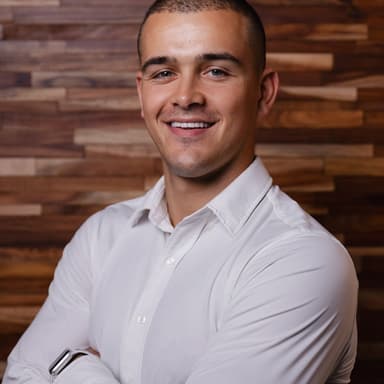
Jordan DeCicco
Co-founder and CEO, Super Coffee
The turnaround nobody asked him about
Super Coffee was valued above $500 million in 2021. Three years later he took the CEO job with a month of cash left.
Where to watch and listen
- Valuation on the $106M round Durable Capital led in August 2021
- $500M+
- Headcount across the eighteen months of the turnaround, by his account
- 150 → 25
- What the founders took of a $30M secondary. His rule now is 10% every real round
- 1%
Follow Jordan DeCicco
“It was shock for an hour, and then it was problem-solving mode from there.”
Jordan DeCicco started Super Coffee as a college freshman with a blender from Rite Aid, protein powder from the team trainer and the cafeteria's coffee. He gave up his basketball scholarship after three Whole Foods stores, all five Sharks passed on the company, and in August 2021 it raised $106 million at a valuation above $500 million. By 2024 it had, by his account, about a month of cash left, and the board-appointed CEO quit on a Sunday call in the middle of a $5 million note. Jordan took the job. He has given plenty of interviews about the dorm room. This is the first about what came after.
The early playbook was one store at a time. Whole Foods had a local program, Seth Goldman of Honest Tea gave them the roadmap, and the rule was that they did not move to the next store until they were the best-selling coffee in the current one. The product was not shelf-stable, so they made it overnight at a manufacturer he describes as the worst of the worst, kept it cold in a car and sampled every weekend. Every ten stores they went back to investors for another $20,000 or $30,000.
Shark Tank gave them no deal and, he says, more leverage than a deal would have: every retailer pitch that year, Wegmans and Wawa included, opened with the air date. By his account revenue went from about $5 million to $60 million in two years, Jennifer Lopez and Alex Rodriguez came in on the Series B, and Durable Capital led the 2021 round at a valuation he puts at around $500 million, with $30 million of it secondary for early investors. The brothers took about 1% of that. His rule now is 10% of your shares every real round.
Then rates rose, the board wanted profitability, and the company had burned $30 million the year before. A president from Pepsi came in and was made CEO, and the cuts that followed took revenue the wrong way, from the $85 million he says they hit at the peak to about $35 million in 2024, with a $9 million loss. That was the year the CEO quit, Jordan stepped in, his oldest brother Jimmy left for Anthos Capital a month later, and the CFO followed. The company went from 150 people to 25 and from about 50 SKUs to 15.
His account of 2025 is roughly $45 million of revenue and $1 million of EBITDA, with marketing at 3% of sales and payroll at 6 to 7%. He runs the model himself with AI because there is no CFO. In 2026 a Texas co-manufacturer announced a six-month stockout on the core products, which he says cost about $15 million of top line; the business stayed profitable. The advice he gives founders is the advice he did not follow: know your full contribution margin, get profitable early, and do not burn to chase top line.
What the conversation covers
One store at a time
Not the next Whole Foods until they were the best-selling coffee in this one. Every ten stores, another $20,000 from investors.
No deal, more leverage
All five Sharks passed. The air date opened every retailer pitch that year, and he says sales went from $5M to $30M on the back of it.
The outside CEO
The board installed a professional manager to get to profitability. The cuts took revenue down faster than costs.
Shock for an hour
With a month of cash left, the CEO quit on a Sunday call. He gave it an hour, then called back and took the job.
Take the secondary
Nothing on the A, nothing on the B, about 1% of $30 million on the C. He tells founders 10% every real round.
Timestamps
Mentioned in this episode
Companies
- Super Coffee — Kitu Life's protein coffee, started in a Philadelphia University dorm room; now in Whole Foods, Walmart, Kroger, HEB and Buc-ee's
- Durable Capital Partners — Led the $106 million round in August 2021 at a valuation above $500 million
Named in the episode
- Honest Tea — Seth Goldman's brand was the blueprint: do to Starbucks what Honest did to Snapple
- Thiel Fellowship — $100,000 to drop out. The call came after a game, and he dropped out a second time
- Anthos Capital — Led Super Coffee's Series A, and where his brother Jimmy went after leaving the company
Show notes
Jordan DeCicco started Super Coffee in a college dorm room with a blender from Rite Aid. All five Sharks passed on it. By 2021 the company had raised $106 million at a valuation above $500 million, with Jennifer Lopez and Alex Rodriguez on the cap table. Three years later it had about a month of cash left, and the outside CEO quit on a Sunday call. Jordan took the job himself. This is the first time he has told that part.
This episode is presented by Proppel. Hire A-player marketing and ops talent from the US and LATAM, and get 10% off your first hire: https://www.weareproppel.com/theadvantage
Follow Mike on Instagram: @mikewystrach — https://instagram.com/mikewystrach
In this episode:
◼ Why he gave up a basketball scholarship after three Whole Foods stores
◼ How Shark Tank became leverage with Wegmans and Wawa without a deal
◼ What the board's push to profitability did to revenue
◼ Why he says take 10% of your shares off the table every real round
◼ How a 25-person team got back to $1M of EBITDA
⏱️ CHAPTERS
0:00 $500M to a Month of Cash
5:28 A Blender From Rite Aid
12:45 One Whole Foods at a Time
17:16 Paid $100K to Drop Out
18:29 All Five Sharks Passed
20:57 $5M to $60M in Two Years
23:56 The $500M Round
26:05 The Outside CEO
28:01 Lost $9M, Then Made $1M
30:09 Know Your Contribution Margin
33:29 The Sunday the CEO Quit
35:32 Then Jimmy Left, Then the CFO
38:42 150 People to 25
45:05 Take 10% Every Round
51:24 Self Pity Does Nothing
53:38 Final Thoughts and Wrap Up
🔗 JORDAN DECICCO
Super Coffee → https://drinksupercoffee.com
Instagram → https://www.instagram.com/jordan_decicco/
LinkedIn → https://www.linkedin.com/in/jordan-decicco-620637a5/
🎙️ THE ADVANTAGE
YouTube → https://youtu.be/K9HAVrj_SqI
All episodes → https://mikewystrach.com/podcast
⚡ PRESENTED BY PROPPEL
Proppel places marketing and operations talent from the US, LATAM and beyond, from video editors, designers and media buyers to managers, directors and VPs. It's performance-based: a one-off fee only when you hire, no retainers, and a three-month guarantee on every hire. Get 10% off your first hire → https://www.weareproppel.com/theadvantage
Full transcript
Mike Wystrach in conversation with Jordan DeCicco. Lightly formatted from the episode audio.
EP12 Jordan DeCicco PATCHED: From like five million to sixty million in two years. We got a call from the Shark Tank director and and crew, and they were like, hey, we'd love for you guys to apply $500-ish million dollar valuation. And they were gonna put in roughly 70 million investors. Okay. Jordan DeSico, super coffee. I'm really excited for this conversation. We had nothing to lose and we were just willing to hustle, hustle, hustle and do shit that nobody was willing to do. These guys were super innovative early in like the coffee approaches. We're not moving to the next Whole Foods until we become the best-selling coffee in this Whole Foods. Don't go down the path of where you're just burning to grow and chasing top lines. What was the darkest day? We were probably working 15, 20 hour days. We're like a month away from running out of cash and you're gonna do this right now. And Jimmy Jake and I were all silent on the phone. Because I thought he was joking now. Did you guys step back? Well there's strength in knowing nothing, right? There's a lot of strength in being naive and doing this with you guys for nine years. It's the end of the road for Jordan DeSico, super coffee. I'm really excited for this conversation. Same. Following the brand for a long time, connected with your brother back in we were just commenting talking on this, I think back in like twenty one. yeah. before the big round. Like a lifetime ago. I know. and it's it's been a it's been a bit of a roller coaster, at least from the outside, reading a lot about you guys. But I'm excited to learn a lot more. you guys were super innovative early in like the coffee protein, like really so walk me through kind of what Yeah, Colbrew. Like walk me through the idea where it started. I was reading Start in the Dorm. Give me the background there. Dorm and Wonder. Even before that, because I think cool background. I've actually my second company now started with my sister. Which is really fun. Plus and minuses of doing things with your siblings. but I'm a big fan of it when it works. so you and your y three brothers two brothers, three three boys. Yep. is that all in the family? Yeah, that's it. That's it. And where did you guys grow up? We grew up in upstate New York. Kingst Kingston, New York, about ninety minutes north of the city. Okay. Nice. And is that a Buffalo Bills fan? What are you technically? My mom's family's from Buffalo. Okay. Dad's family's from the east side, so Jets and Bills. But now, right now, Bills. It's all about the Bills. Yeah, I've started calling the New York Bills. Giants and Jets are horrendous to cheer for. It's just miserable. Terrible, I know. It's and whereas the Bills out there winning. The Bills gotta step up this year though. Josh Allen's a super coffee investor. So let's go. Yeah, we've been cheering him on a few years now. All right, good. Let's and then so grew up upstate New York. Yep. basketball player. Basketball player. Was we're and you're the youngest of the three boys. Yeah, I'm the youngest. So we were basically three years in a row. Jimmy was ninety two. Crack super coffee here. Yeah, cracked super coffee. This our new espresso plus protein. Yeah. Twenty grams, ninety cals, and should taste amazing. Hopefully you like it. But man. Jimmy's really good. Thirty four, thirty three. Glad you like that. they'll be launching at Whole Foods Nationwide. So you're one you're thirty-one, Jimmy's thirty-four, Jake's thirty three. Okay. Your birthday is this week. Wait, launching and I cut you there. Launching at Whole Foods? Yeah, be launching at Whole Foods next year, right now. I mean, it it's rolling out nationwide, Kroger, Walmart's on Amazon too. Very cool. Yeah. It tastes amazing. I I you know what I love about what you guys are doing is like you get the taste of kind of like the It's gotta taste great. It tastes amazing. So it it but then it's like super healthy for you, and then you're throwing in 20 grams of protein, which is insane. Yeah, this product honestly is probably our most innovative product ever. It's 100% all natural. It's stevia monk fruit blend, which is really hard to get good because a lot of people don't like stevia or monk fruit because the aftertaste. 90 calories, 20 grams of protein. So basically all of your calories are coming from protein, but you would never tell. If you just, you know, blind taste tested that, it tastes like Starbucks. Well, so I was worried because I was like, man, now I'm gonna have to, I'm gonna put on the spot. I haven't had this yet. And I it was like Either way I was gonna say it was amazing, but it truly is amaz and know what's amazing? Putting twenty grams of protein in that size, yeah, usually is gonna taste very like you're gonna you're gonna taste the powder. Literally, if you told me there was no protein in it, I'd have no idea there was protein in that. That's what we need to do. Yeah, yeah. That's exactly what we need. Trust me, if it wasn't great, I would have not brought you that. We wouldn't have been drinking if it wasn't still sample mode. Yeah, yeah. So okay, so three brothers grow up h you were saying earlier highly competitive. Very competitive. Both of our parents were division one athletes. They played at University of New Hampshire. Dad was football. Mom was just a firecracker, lacrosse, soccer. She was MVP of the Final Four, All American, all that. Yeah. So she was a stud and just so much energy. So when we were young, I mean, as far back as I remember three years old, she would have us out running hills in the backyard. There you go. so we played all sports basically growing up. Football, basketball, baseball were the big ones. I kind of just fell in love with basketball early on. I think like Kobe, you know, Kobe coming into his prime. MJ finishing his career. I love baseball too. Jeter being a Yankees fan was huge growing up. But you know, something about Kobe Bryant just made me fall in love with the game of basketball. Yeah. No, I mean you were so I'm forty six, you're thirty-one. So I'm I was the Jordan error and it was like Jordan was just like it I remember probably huge impact on you. Let me pause here for a second. This show is brought to you by Propel. They find brands like yours exceptional marketing and operational talent in the US, Latinam markets, and beyond. For now, the links are in the show notes and all of our listeners get ten percent off your first hire. Okay. Let's get into it. We had a satellite TV, grew up in Arizona, but we had WGN on satellite. So that was that was the home station of Chicago. And so we could watch Jordan all the time. And then we were on the West Coast time. That's all so like you know, a seven o'clock game would come in at five o'clock. You know, if you're you know, ten years old, that's like perfect. So you just watch the game before dad took the TV back in the day. So we'd like probably had a huge influence on you. honestly. It was I I love Jordan. so you guys, so you go to college, you get a r a ride go playing basketball, and but you come up with this idea, your your was it freshman and sophomore year? Freshman year. Freshman year. So 2014, yeah. And you came up with the idea yourself, or you and your brothers kind of all came up with it? How'd that work? I basically just started, we have we would have five AM practices. Our coach was super old school. Like so I was waking up at four fifteen and then I had class at eight. and I was just falling asleep, all we had on Campus with Starbucks, Frapuccinos, Monster, Red Bull. And I was I want to drink this shit. Very health oriented, probably ahead of our time in that regard. And we would get protein powder from our our trainer, and he was like, You gotta put on some weight, dude. Like you're you're thin, you're gonna get beat up out here. so I would take that and then I loved coffee, but I just started drinking coffee. So it was like this new thing for me. I was like, wow, it's amazing. So I would start blending. I actually went to a a Rite A down the street, bought a blender, and went to the cafeteria, would just fill it up with coffee. Mix protein in every night and then make a couple bottles for the week. So I would just grab one on the go and I'd be like, wow, protein coffee is freaking great. Teammates were making fun of me for it, but like it was perfect for me. And you guys were so ahead of the game on like putting protein in cut like any God. It was like Colbrew was not even a thing yet, really. Like the first cold brew brand was just launching at Whole Foods. So we're I the choice at the time when you guys came out was like Frappuccino. That was the whole category. It was a two billion dollar category, ready to drink coffee. And it was 1.9 Frapuccino. Which is like the amazing thing about Frappuccino is like it's a miracle in that I don't think you could put any more sugar in a liquid and still have it be a liquid. It's like it's like max sugar per liquid like ratio. If any more sugar in there and it turns into a salt. It's like that much sugar. No, that's right. So to me it was a great opportunity, right? Very naive, but like f the outside in. I'm like, I love coffee, but I would never drink a bottled coffee. But I need it because I'm on the I'm on the road all time. So you're a freshman. I think we have a lot of young kind of either young founders or wannabe founders, people that w listen to this. Yeah. So you're a freshman in college. You know absolutely nothing. Sorry for you, freshman in college. How do you get the guts to be like, okay, I'm gonna I'm gonna start a company. Like that's a it's a great idea, but there's a difference between as as you know, certainly you know now I always tell people it's like ideas are worth nothing because the operate execution is like, how do you say like I'm going for it? Well, there's strength in knowing nothing, right? Like there's a lot of strength in being naive. Yes. Right? Because you don't know how hard it's gonna be. And you even hear like Jensen Huang at NVIDIA say if he knew how hard it was gonna be, he probably wouldn't do it again. So like we always joke about that. But yeah, which is super naive. Got, you know, you have so much energy too. And we did not come from money, but we always obviously wanted to be entrepreneurs. We loved business. So we're I was like, Look, this is an awesome idea. I was st in school for business, playing basketball. I like, Again, not a lot of data, obviously. Like we don't have research, you know. Anything on no AI back then. So I was just like, fuck it, I'm gonna make it for myself. And if the product tastes good and gives me the energy that I need, I'll do, you know, I'll focus on this this year. And like I just fell in love with the process. Like there's something about tinkering in your dorm room on an idea and being like not a a visionary, but just seeing the future and saying this could be a billion dollar company. And like you have no data, no reason to believe that to be true. But something inside you is just like, do it and that's all you need. Yeah, I think that is a key strength of founders is naive. It's like 'cause you're like the odds are against you, everything's against you. So like you you somehow you gotta just like live in La La Land. That's just how it works. You nothing to lose, right? Nothing to lose. That's what's also great about being young. It's you like if it totally if it doesn't work, who cares? You're like you're still back at square zero. And like as our s as we get into the story more, like it still was our biggest advantage. We had nothing to lose and we were just willing to hustle, hustle, hustle. And do shit that nobody was willing to do. And that's the first couple of years set us up for success. And then did so you three, so you guys kind of off the bat, like walk me through like you kind of started, how do you bring your two brothers into the mix? Or were you guys kind of all doing at the same time? Yeah, my freshman year was just like, you know, Jimmy was wrapping up at Colgate. He played football. He went to work for Blackstone in New York. And then Jake was at Georgetown. He was going into his senior year. Okay. And I was just tinkering in my dorm room. Literally, I was like trying to learn a little bit. I was taking business classes, just playing basketball though. And I was just drinking the product for myself. And then again, I kind of fell in love with it, learned a little bit. And what I realized when I did research, and this is why just educating yourself is a great first step, but like every great food and beverage brand that I liked was actually started by a founder and then acquired by a big company. So then what you turn what you tend to see the pattern of like big companies like Coke, Pepsi, Nestle, they don't really innovate that well, which is why good products don't exist from them. Yeah. It's always a founder starting something new, and then if they're successful, they'll get acquired. And a brand that really stood out for me. We tell a story a lot, but Honest T was basically a better version of Snapple. So it gave me a great blueprint. It was like, look, this, you know, we're gonna do to Starbucks what Honest did to Snapple, built run the same play, and then hopefully if we're lucky enough, you maybe get a question. Was that who's who's Honest T was that? Seth Goldman. Seth Goldman. He became a great mentor and advisor a couple of years later. he's still a close friend. So awesome story. Yeah, and that's it. And I I totally agree. I mean Even s even like your large CPGs will tell you they're horrible at innovation. It's just like it's totally which it makes sense if you're inside of a Nestle or like you know, i you've got such a big business, it's hard to get excited for a brand that's gonna be a million dollars and then it's gonna grow to three million. It's like it's like it doesn't move the needle for so it's hard to get traction. Yeah. But y and also is like I think the early days that that go zero to a million, you know, a million to five, that's like the hardest. Yeah. Totally. You're like, you know, you're figuring out product, you're figuring out all these things, you're trying to get customer market fit. Totally. I think that's hard for anyone. It's hard. But like I think one of the things that I've at least seen is like it's just har it's like banging your head at a wall. And if you're willing to like bang your head enough till it falls over, it it'll happen. I think that's what founders do really well. If you're willing to hustle and be told no a lot and just fail a lot, but learn and iterate and just kind of stay naive and have high energy, I think you can kind of run through walls or so you guys you you realize, okay, this is how Through research. This is how like big CPGs, the brands that you love. So where's the jump here? How how do you make that jump to say, okay, I'm I'm gonna do this? Yeah. So end of my freshman year, getting close to the end of my freshman year, maybe April. Jake was at Georgetown. I was pitching that Jimmy and Jake pretty hard. I was like, This is what I'm gonna do. I would love you guys to to help out. They were like, Fuck you, like, no, like we don't want to do this. but Jake is very entrepreneurial as well. I think Jimmy's a little bit more pragmatic. And Jake said, Hey, there's a Georgetown startup pitch competition. Coming up in like two weeks, would you want to drive down from Philly? Because I was at Jefferson, which was Philly U at the time, and pitch with me. And he was like, You just create the slides, I'll get us in and do it. And I was like, Yes, like let's do it. And again, like a lot of people would probably be like, No, I'm not ready, whatever. But we were just like, Yes, let's do it, full steam ahead. And we did it. And we actually placed like top five, which got us into the startup incubator that summer in in Georgetown, which is a great business school, very entrepreneurial. And was like, this is awesome. Our parents loved it. People were like, Okay, this is something. So that set us up for going all in that summer. Cause without doing that, which again, you don't know these things, you know, looking forward, only looking back, I would have had to s as a freshman on the basketball team, I would had to stay on campus all summer just to work out with the team. But my coach was like, Okay, if you're gonna do this basically like an internship, go do it. And that's how we got started that summer. wow. So you started that summer. Yep. And then did you go back twenty fifty? Did you end up going back to college or did you end up Yeah. So what ended up happening, we had a great summer in the in the pitch competition. We met some some investors from Georgetown. We had some family invest as well, just like fifty to a hundred thousand dollars, very small at the time. And what we ended up getting to by the end of the summer, we just kept saying, like, look, business plan, whatever, it doesn't matter at that at that point in time. We just have to get a product into the market. Like we're a physical CPG product. So like we have to just produce something and it's gotta be great. So we found a really small kind of hole in the wall manufacturer, piece of shit. Like the worst Of the worst, literally, but they would let they let us in. They were the only ones that could do it. We're gonna do our own distribution. So our own self distribution, which was brutal. And we were like, let's just go get a customer this summer. And at the time, they don't do it anymore. Whole Foods had a local program where if you were a local brand, you could go one store at a time. We were like, That's our strategy. We're gonna go one store at a time. Seth from Honesty kind of gave us that roadmap. So we produced it ourselves. We're distributing ourselves and going one store at a time. We got like two stores, three stores on board by the end of the summer. And I was like, fuck, if I go back to school, this business is done. Cause Jake's got a senior season of football and I'm gonna go up to Philly and do this. Like, no way. Like so I made the tough decision to give up my scholarship that year, not go back for my sophomore year and just live on his couch, his senior season. And I was all in on the business and we were just gonna keep going one store at a time that year. that's awesome. Yeah. So all in. Yeah. And I think, you know, it's always funny because like hindsight that looks you know, so smart and everyone's like, yeah, I would have done that as well. And then you're like, but I'm sure you're like, I'm sure you were getting pressure from Yeah. Mom thought I was on drugs, giving up a full scholarship, coach thought I was crazy, teachers hated it, like everybody hated it. Yeah. So again, that's just one of those things, naivety, energy, right? Just passion, resilience, like, and then figuring it out. Like being like, I got this. And also saying like being rational to the point where it was like, look, I'll give it one good year. And like if we don't figure it out in a year, I'll go back. And so you guys got you obviously got traction in that year and just kept going or what did that first year look like? We literally just grinded it out. I mean, we were probably working fifteen, twenty hour days. We convinced I wrote Jimmy like a very personal letter. He was at Blackstone. I was like, dude, Jake's going back to school, I'm doing this, I'm dropping out, you gotta do this with me. So he quit his job, he moved in with me. We basically lived at the manufacturer that first year, like 20 hour days. Product was not shelf stable at the time. It was, you know, it would spoil in three weeks if it wasn't kept cold. So we'd have to make it all night long by hand, basically, blend it up, bottle it, put it in a car, figure out a way to keep it cold and make deliveries. And then we were doing demos, samplings every weekend. And we would go one store at a time. And we said, we're not moving to the next Whole Foods until we become the best-selling coffee in this Whole Foods. And it was a good playbook. It was a lot harder to do than it sounds. Like it was literally just hand-to-hand combat. But we learned so much and it was the right thing to do. And as every like 10 stores we got, We would go back to investors 'cause we would need more money and we'd say, Hey, like, we're the number one selling coffee in this store. Now we're number one selling coffee in this store. And we'd chip away like twenty thousand, thirty thousand bucks at a time. It's funny. I just did I for like for the podcast, I just had my two of my my co founder and then our technical CTO co founder, we were reminiscing, but me and my co founder Carter for Freshly, I mean si very similar story. Like we were so we would start cooking at two AM. we had to be in the kitchen cooking two AM. We were we were literally cooking, doing all this stuff. We had a team. We'd package and we would go do deliveries and we'd usually wrap up at like two PM and we'd always laugh that people would be calling like CX and we'd be like, answer the phone as if like we were someone else. But then we go to gyms and we go do samplings at gyms for same thing. For the afternoon, the four or five PM workout sessions, four or five, six PM workout sessions. We after the clo after and we go to CrossFit gyms. And 'cause they were highly into pro paleo kind of the time was paleo was getting hot. And so we'd basically just go sit there and you get one, two customers at a time. And that was that game. You just get two customers, sign up and it would be like, Yeah, just like but it was, you know, twenty hour days or you're like Yeah, yeah. You leave the end of the day and you five customers. You're like, Fuck yeah, this is let's go. That's your competitive advantage, right? You're like you're counter positioned, you're obviously niche, but like starting small and just owning that little audience and then one inch at a time. And like it's hard to compete with that, right? Because like nobody's gonna stop you. As long as you have the capital to do it and you're not burning a ton of cash, like you can keep doing that. So then you guys, so you could keep grinding, keep getting this and then so we're gonna fast forward here a little bit, 2018. Yeah. Cause there's kind of this pivotal moment on going to going blank on the the show. Shark Tank. Shark Tank, sorry. Yeah. So it was yeah. Funny, funny story. So I ended up after that first year, we got Jimmy, Jake graduated. I was like, my coach was calling me every day, he was a come back on scholarship now that the business is good. We're probably gonna do our our second year, maybe two million of revenue in year two. And so I went back to school though. I actually went back anyway and was like, I'll we'll do this, we'll figure it out. Had a great season, you know, all conference player. Jimmy and Jake were running the business, but it was still very hard. So they were struggling a little bit. And then I get a call from a San Francisco number one day, randomly after a game like nine PM. They're like, Hey, this is so and so with the Peter Teal Fellowship. I'm like, what the fuck's the Peter Teel fellowship? Like, I Peter Teal, but what's the fellowship? And they basically pick 20 student entrepreneurs a year and give them $100,000 to drop out. They were like, we've read about you. We love the product. Like Peter is usually only doing tech, but because you're focused on health and wellness, we want to do something in the space. Can you fly out and meet us? So I was like, Yeah, I'll fly out. So I skipped practice one day, flew out for a weekend, SF, and I got into the teal fellowship. So here we are again, the second time around. I'm like, I gotta drop out again. So after my sophomore year, I drop out for the second time. For a hundred thousand dollars though this time. So it was a lot easier. The business was doing well. And at the same point in time, just to s segue, we got a call from the shark tank director and and crew and they were like, Hey, we'd love for you guys to apply. Don't even worry about like going to your local thing, 'cause usually you'd have to sign up and go like audition. They're like, just come out to LA, do like a dry run, and if we like you guys, you know, we'll get you on the show. So we kind of got lucky there and we were like, Yes, all in, let's do it. We just raised five hundred thousand. So it was our first like real capital. So we were like, if it goes great, we'll get more capital at a at a great valuation. If it doesn't, let's just make, you know, people who watch the show love us and we have capital so it doesn't, you know, it won't be a big loss. So that was our experience going into it. Loved it, had a great time. We went in with a high valuation. I mean, we're gonna do two million bucks for we're gonna ask them for ten million dollars or a ten million dollar valuation and they were like, It's just too rich. Like we just won't do this 'cause Every single company they invested in in food and beverage lost money. Yeah. So we're like, fuck it. So then we're late. And then but you guys did I mean I'm I I was I getting some prep done for this. I watched that and it's fun. You guys had the button down shirts that you took off and had the super coffee. Yeah, it was like a buck fifty on that show. So you guys look great. I mean and so I'm sure you got a bunch of like a bunch of inbound and traction from that. 'Cause like that seems like like the later strategy. I was talking to some guys who who were like producers on that show and they were like Later, like people were basically just going on with absurd high valuations so that they didn't get a deal. Yeah, totally. Because I heard also it's really hard, even if you think you get a deal, like negotiate after and fall through. Yeah, fifty, sixty percent don't get done after that because like they you know, the terms and yeah. I mean the best thing, we didn't get deal, but again, we executed the plan. I think people loved it. People loved the episode, which was great. It got replayed a lot. we used the clips in marketing, but like the best thing was we were talking to a lot of retailers that year. We were basically starting to go. expand regionally, not quite nationally yet. But for every retailer pitch, we are basically like, we're going on Shark Tank and now is the time to add the brand to your set. Yeah. So stores like Wegmans in the Northeast, Wawa in the Mid Atlantic, Whole Foods obviously other regions, every retailer we talk to, we use that as leverage. And then every marketing channel we used as leverage. So again, you gotta make the most out of those opportunities. Yeah, I imagine that helps a lot 'cause there's a lot of eyeballs on the Yeah. I mean we went that year too, we didn't do the deal, but we I think we did that next year like five million in twenty nineteen and then we went or twenty eighteen and then we went from five to thirty. Wow. So it was a big jump and a lot of that was on the back of Shark Tank. So you guys like really 'cause I wanna spend some time on like but i the f the you guys caught fire twenty nine through like kind of twenty one, just kind of really was co COVID was a obviously like a net benefit of of like just grocery or what what what was kind of Yeah, those those three years, like twenty eighteen to twenty twenty, pre COVID basically. we could talk about what what happened there. But we went from like five million to sixty million in two in two years, basically. And then we had raised a bunch of capital. We raised a series A and a series B before COVID, basically like closed the B right before COVID. That's when like J Lo invested, A Rod, you know, that whole career lots of getting A Rod on that kind of like a full life story. That was, yeah, we were big A Rod fans growing up. We liked cheater more, but we loved A Rod. so that was great. Having J Lo was obviously awesome too. But then COVID came. A derivative to cheater to cheat out. Yeah, yeah. Exactly right. And COVID was weird because you had multiple, like anything, like multiple pros but a lot of cons too. Like first in March it was terrible because retailers, if we had resets coming up, they were like, Fuck you guys, like we're not gonna do resets. We're focused on keeping water and toilet paper on the shelves. Like we can't reset coffee. Yeah, yeah. So I I remember our parents lived in North Carolina at the time. We were launching Publix, which is one of the largest regional chains. They were like, Hey guys, we're so sorry, but we have to push the launch out maybe next year. And we were like, No, like We will come down from New York to North Carolina, South, and reset every store, a thousand stores. We were like, we will physically do the resets. And they're like, if you guys are willing to do that, have at it. So we spent the next three months resetting public stores. And our team was getting pretty big at the time because we were expanding pretty quickly, like Texas, et cetera. So we were probably like 50 or 60 at the time, mostly field sales. Okay. But we were doing that work. And I think our team saw that and we were like, by the way, we're not gonna let go of anybody. We're hanging on. We'll raise more capital if we need to. We were certainly burning a lot of cash that year to do it. but that was a huge moment that led to our Series C in twenty twenty one. The the tailwind that you get too during COVID obviously is interest rates went to zero. Yeah. So like that set us up for the big series C. Yeah. So interest rates zero. Grocery was was popping. Yeah. I mean, it was an interesting time 'cause like, at least for us with D to C like we I mean, we sold in twenty twenty, which hindsight was like a just a great time to sell for twenty twenty. Yeah. but then like mar all these brands had not been marketing forever. Right. So like all this pent up capital was ready to go on like the marketing. And so like what we saw is like w we sold, but then all of a sudden, like CPMs, CAC, everything just went s just skyrocketing. Yeah. Because all these brands were like sitting in the sidelines forever. So I exactly right. Food and beverage was pretty good because like you had yeah, that was category, but like all these retail brands, fashion, all these guys yeah, were like, Okay, it's time to go. And just like it was like holy shit. We went from like the world's best cacks to like our cacks went like four or five X up and we like, Man, we don't know what to do here. This is just insane. Yeah, it was crazy time. I mean, and then to your point though, interest rates were zero going into twenty twenty one. So and we we went from like fifty five to maybe eighty five top line revenue, eighty five million at that point. So we were But we needed cash because we were we're bought like our Series B was only like fifteen or twenty, not a not a lot of capital at the time. and we doubled the size of the team that year. So we were maybe a hundred and fifty, hundred twenty-five people at that time. so this was peak. We were making the move to Austin at the time to get out of New York during COVID. You know, New York still sucked in twenty-one. So we moved down here and we're raising the Series C. And valuations were just sky high. I mean, it was still zero interest rates. Durable came in and did that led that. Yeah, exactly right. So durable capital based in Bethesda, you know, they're still an investor in the in the brand today. But yeah, we they basically underwrote it like we were gonna double the business again, and you know, five hundred ish million dollar valuation and they were gonna put in roughly seventy million and then use thirty for some secondary for early investments. Okay. So like our aunts, you know, some of our first family and friends made made eighty X, ninety X in five years. So they made a killing, which was great. We didn't take much secondary off the table at that time. We didn't really have the opportunity to. but we took some off and we were like, fuck it, we're just gonna roll it and and go, go, go. And just the way things went, like, you know, interest rate shot back up and people thought like, you know, the market obviously in twenty twenty two had a terrible year. Yep. So all these guys were scared. Yeah, everything everybody was worried. So they like, Hey, you guys gotta get to profitability. We're like, We just burned thirty million dollars last year. Like, how do you want us to get to profitability immediately? Yeah. so they're looking at it like these guys are gonna burn through this cash quickly. So we bring on a professional manager to come kind of come in with us. We hire an executive leadership team with the capital, increases the burn rate obviously even more. They come in and they're like, We have to tighten everything. So we took the team size down quite a bit, marketing down quite a bit, took price every you know, all the things to to try to get to profitability. And revenue just went the complete opposite way. Like they pulled the plug so fast and all that support, and it couldn't have been worse timing. so the the next couple of years, which we can get into, but like trying to catch the bottom on revenue while continuing to do cuts and layoffs, et cetera. So it was just a brutal period of time. And were you guys so when they when you 'cause you guys brought a new CEO in, did you guys kind of did some of the brothers or like how what did it look like? Did you guys step back and Well, we had hired a president from Pepsi basically, who was also an investor and a great guy, still a great friend and mentor, to this day. But he was coming in in tough position because, you know, these guys, durable and some of the other folks, you know, they wanted to run the company a certain way now because the world was changing, capital markets were shifting. And, you know, he knew what to do from that perspective, but it's a different playbook completely. Yeah. So he came in as president and about six months in, we were like, Whew, this is brutal. So the board basically said, Hey, we're gonna put him as CEO. The brothers will still say head of brand, head of sales, head of ops. Like I was COO at the time. And basically all the decisions are gonna be made by him. with the board. And again, a couple of more terrible decisions in the near term. Like we could have played a longer game, but they were moving very quickly. by twenty twenty-four, you know, we were clearly running out of cash already. So continuing to burn. We were burning less. I think at that point in time we were probably gonna on track to burn like 15 million that year. Okay. but revenue had dropped all the way down to like 50, 45 50. and we needed to raise more capital, but the environment was much different. So it was going to be a downright Which nobody wanted to do. It was really hard to raise too, just given the the the environment. And the CEO left. he basically said, I can't, you know, this is too tough. You know, these guys the the board is very tough, the investors are tough. you guys gotta figure it out, basically. So I stepped in as CEO in 2024 when we were probably like a couple months away from running out of cash at that point in time. And my job is obviously close the round, continue to write size expenses, but then we have to start innovating again and getting back to growth. We went from In twenty twenty one, maybe fifty total SKUs products to about fifteen. So we cut out our revenue, you know, from underneath us just by doing that. so I said, look, we'll be disciplined with products, but we have to launch better products faster and get back to growth. And that's been the strategy for the past two years. And is that strategy if you started to see the the bottom and and kind of get some growth going? yeah. So in twenty twenty four, you know, we lost nine million that year and did about thirty five. Revenue was our kind of our low point. Okay. twenty twenty five, we got back to about forty five in revenue and did a million of Vita. Let's go. Yeah, yeah. So let's go, getting that. Yeah, turnaround, you know, mar a lot of margin work, a lot of hard work on margins, and then a lot leaner team. But getting more out of, you know, your best players is is the goal. So rallying the team around that. And then this year, you know, as as luck would have it, been a great, great year so far. I think Q one our run rate was probably like sixty five million top line and five million of Vita. So we're like, This great. We do Yeah, we're gonna get back to it. Maybe if we need to raise more just to strengthen the balance sheet, we'll do it. and then of course as things go, like one of our core manufacturers here in Texas let us know that they we're gonna have a six month out of stock on our core products. So Jake and I look looked at it, we were like, What the fuck? Like, how is this possible? Like we gave up about fifteen million of top line revenue this year. So we're still, you know, in the battle, but like products are doing great, business is doing great, still healthy, profitable. And now working with our investors and some of our lenders to figure out like long term. Long term. Yeah. Let me pause here for a second and introduce you to our title sponsor, Propel. Every business I've built has had a huge, huge, huge piece with international talent. And as we started building the advantage, we wanted to bring in international talent focused around media, podcasts. And we started doing a lot of research and we came across Propel. And we were really excited first and foremost to use them for us. And we later reached out as a sponsor. Here's the best part. It's all performance based. You only pay one off fee once you actually hire someone. That means no retainers, no ongoing costs, plus every hire comes with a three-month guarantee. I think bringing on international talent is really hard, really rewarding. As we all know, bringing a talent onto your team is the most important part about building a business. And with Propel, I can speak for ourselves, they have been a huge part of our ability to recruit great talent to our team. Every advantage listener gets 10% off their first hire. For more information, check out the show notes. What do think some of the learning lessons, like when you advise founders now, like what do you think kind of hindsight? Obviously, hindsight is always 2020, but like what's some of the learning lessons kind of like mistakes you guys made and and things you do differently today? Yeah, maniacal focus on just the best products possible, really find your niche and be different. Like we say counter positioning is the best strategy out of the gate. Like find the problems, solve those with a great product. And then I think where we were weak early on was margin structure. Like we didn't fully understand our like complete contribution margin out the gate and in CPG. freight warehousing selling like those things add up quickly. so have a really strong contribution margin and great products can command higher margins, you know, as you know. So those are the two things. And then just try to be as frugal and efficient as possible. We were kind of in the wild, wild west years where interest rates were low. We knew we could raise capital based on growth. So you didn't have to worry about your burn as much as you do now. So my advice is like try to be profitable as soon as you can. And like sure if you can run it at like negative 10, negative five EBITDA, that's fine. But don't go down the path of where you're just burning to grow and chasing top line. And that was our mistake. So like we changed the business entirely. Yeah, I mean it's funny because we I invest now a lot of CPG and we'll have people be we're forty percent gross margin. And and especially like we we'll always be like, Okay, we want fully like fully delivered gross margin. Like what's your contribution margin? Which is like again, like, you know, your variable costs of freight delivery, yeah, and Yeah, are gonna so now all of a you're down to a fifteen percent gross margin. That's right. And it's like, well, you know, how are you gonna be a fifteen percent EV to business if you're at a fifteen percent gross margin? Show me the math. Yeah, it just doesn't the math doesn't math. and then I think the other thing that we always try to tell founders is like the challenge I think in in the startup game, and we all get into this, is like and and the problem is is as you realize behind the scene, is actually the reason everyone gets in this the venture guys really want those marks, right? So once you get into venture and so like Raising is not I always tell people if raising is not success. It's an obligation. So it's like it's money that sits in front of you. And I think that's what people don't realize, like it's a lot of founders, is like, I just raised at XYZ valuation. It's like, well, great. That's money sitting in front of you, which is gonna make it harder for you to exit. Totally. Because the minute someone comes in and invests at like and we always just tell people it's like, look, No VC underwrites a deal for less than five X unless you're very, very late stage growth. But any VC, so that means whatever your number is, they need to see a five X exit. Yep. And so it's always just like It's a big hurdle for sure. Yeah. And and you guys also, I I will say, like, even like from, you know, we're relatively the same time. We are a little before you guys, but the world has changed dramatically. my God. Yeah. Come in, three PLs, like. Back in the day, like if you like nowadays you're starting that product, there's there's probably fifty commands that do some kind of product like that. Back in the day, I'm sure that it was you you the reason you manufactured there was no one out there. Exactly right. But then you couldn't even like now it's you just go on Chat GPT, you're like exactly list I want to make XYZ product list. Like bad people I I feel like in ancient people are like, I'm like that Google was very like when we were trying to figure shit out, we were like reading like textbooks. Totally. Like going through like literally reading textbooks on like map, modified atmospheric packaging gas, 'cause there was no U T I mean, I'm like dating myself, but it's like I would just drive to the facilities too. Like Yeah. Like I would say, I don't know if they can do it, but I'll just show up, knock on the door, get a meeting, like on the spot, and figure out if they can make the product. Like that's how we had to find our manufacturers. So how I mean, what was the darkest day? Like when you like you sit with your How what was kind of the darkest day of this? Like they just shit's not working out. It's going down. What do you remember as like the darkest day? The darkest day for sure. So again, maybe a month of cash left in 2024. Our new CEO that was board appointed schedules a meeting for us on a Sunday. We're trying to close this round. And it's only a five million dollar convertible note, like just to get us through and continue to execute. And we're like, Okay, Sunday strategy session to get ready for the week. He's like, Boys, this is the end of the line for me. We stopped. We were like, What the fuck? Like this guy's quitting right now, like literally, in this meeting. And Jimmy Jake and I were all silent on the phone. 'Cause I thought he was joking kind of. I was like, What? Like we we're gonna close this round. We're literally negotiating with investors. We're like a month away from running out of c cash and you're gonna do this right now. that was it. I mean, that Sunday was just brutal. And but again, you can't dwell on that. So it sh it was shock for an hour and then it was problem solving mode from there. And I talked to him, I called him later. I was like, Hey, like we need your support. Like you're still underwriting this. Like, put some capital in with us. I'll put my capital in. Put some capital in. I'll step in as CEO, which we all agreed to and aligned on. and we'll get it done and we'll make it happen. And that was the next couple of weeks when we did that. That that Sunday was just brutal. How well I was just it was funny 'cause I was still I was just doing this pod with my co founder and we were all saying and I say it all the time, it's like, look, I don't go know how I and certainly guys do it, but I'm like, I don't know how you do it without co founders. 'Cause like when you're in that room it's brutal. The only the only in your case, the only two guys who really know the pain is that. And like your significant others don't, your parents don't, your friends don't. Like no one understands the the struggle of like the startup mentality. And you can watch it on Instagram, you can think you know it, but like there's only like your you and your co founder, and that's why like me and like Carter, we can sit in a room and just fucking laugh and have so much fun. So important. And because Because like we've been through days when you're just like, dude, yeah, like what are we doing with our lives? Like we gotta figure it out. Yeah, yeah. Exactly. Right. Yeah. No, it's so true. I mean, even now, and then a a lot of people don't realize, but a month after that, so we we did get that note round, but we were still losing at that point, like maybe six hundred K a month was our burn. So we didn't have a lot of time to turn it around. So we were still cutting costs, getting figuring out growth strategy, et cetera. And Jimmy, same thing. Like this is a month later, oldest brother who we've been working with for ten years, Sunday calls Jake and I over for dinner. All right, same thing, like strategy session, get ready for the week. Same conversation. Jimmy's like, Boys, I've been doing this with you guys for nine years. It's the end of the road for me. wow. So Jake and I look at each other, fuck. But we kinda felt that. Like Jimmy's always been again, like more pragmatic. He was the CEO for a long time, kinda got demoted when our other CEO came in. And it was a tough, tough time. He's gonna stay on the board, gonna continue to help, but he was going actually on the to the to the venture side to w the to the firm that led our series A. nice. Also kind of like what what firm's that? Anthos Capital. Okay. Out of Santa Monica. Okay. They're great guys. But again, just like another shock to us. And then a couple weeks after that, our CFO, same thing. Like, boys into the line. And I was like, there's two ways to look at that. It's like, fuck, we're losing a key player. But for I'm like, fuck, I gotta cut costs. So, like, thank guys for leaving. Like, give me my, you know, this is this is helpful. No severance on the way out, yeah. Exactly right. You figure that out and you make it a positive. And you that's how you learn from Did that create any hard feelings, or were you No, no hard feelings at all. I was like, look, great, for sure. Like if If we need help, we'd love for you to help us and we'll do everything we can to turn this around. And that's really been the attitude for the past two years of like, look, we're gonna figure it out. You know, we know what we need to do, we're gonna execute the plan, we're gonna stick to it, and we're gonna figure it out. And a lot of things have gone our way over the past couple of years that helped us along. And then obviously this year we kind of have that catastrophe. So hard especially when you got people on that you know of grind for you. So first of all, I I always people ask what's the like tough and I was like, definitely laying people off. There's different I don't have a problem firing people. That's pretty easy for me. But laying people off is different because that's like these people don't deserve it. You just gotta make cuts. And we were going into COVID and we no one knew what was going on with COVID. Right. It ended up being net beneficiary, but we were like, you know, we had we had we had not raised, we'd had a term sheet in place, but we we didn't close on it. So we got like fifteen million. We were I would say now my CFO and it's like, if we have to shut down our plants We've got six days of runway. 'cause we had twenty five hundred employees. Wow. So and we had like ten, fifteen million in the bank. And so we had like and so we sat down on the board and it's like we gotta do like a we've gotta do a big cost reduction 'cause like we don't we gotta like corporate. Yeah. So we just did that. But when you go through those, what you do realize there is a survivor bias, good, bad or otherwise. Like if you're there, it does tighten up the bonds. You cut you cut a I think as companies grow, you do create You know, degrees of bureaucracy, people aren't as efficient. Some waste. And so you cut you cut deep and you realize like, this shit like actually all these things that you were fearful was gonna is like it it like people figure it out. The things that need to get done, get done. Yeah. it also is a good kind of culture reset. You get an opportunity of just kind of being like, you know, how do we how do we do things differently? That's how we viewed the turnaround too. Like literally a complete transformation of everything that we did and going back to the core, the basics, our values. We always had a strong culture. But when you go from 150 people to twenty five people in a year and a half, like that hurts obviously. But we kept our best, most loyal, like highest performers. And what you see there too, and you hear that a lot, but like they just work better together and they get more done together too. Yeah, smaller teams always work better. And then a bunch of A pluses versus a mix of A pluses and B's speeds things up a ton. Yeah, you can do that. It is and then how much do you guys lean into AI now to just get more efficient as well? Are you seeing that as kind of an opportunity? Definitely. I think at the executive level, you know, we lean on it. quite a bit, right? Just to do more. Like I don't have a CFO today. So I'm doing all of our modeling myself and you learn a lot of skills too, obviously. So the timing was great there where I've become like a CF de facto CFO. But I'm not an Excel wizard by any stretch. Like I'm using Codecs and these platforms to help me build out a lot of the forecast and models and tools. we have a lot of good resources and a lot of good people on the team, but like definitely not something I could have done two years ago without without AI for sure. So that marketing obviously a ton on the content side just 'cause content is is so key. So Being able to reduce our marketing spend, but producing more content more efficiently has been huge help. and then also just research, right? Like general research on markets, commodity pricing, you know, basically all all main functions, we use it to some degree. and then we try to tell the team the same thing like use it to your advantage to be as efficient as possible and help you get more done. I think so you still see some people who are scared that maybe like if they get if it gets too good, it'll replace them entirely, especially because they know how. lean we are right now. Yeah. But I have to encourage them and just say, look, use it, use it well. You're just gonna become more valuable to the company, right? I mean my number one advice is like, first of all, you're not getting and I I tell all my teams like you're not getting replaced by AI. You're getting replaced by someone who uses it. Exactly right. Yeah. So like if the only way to keep yourself in a position, especially if it's a highly competitive, is you've got to 10 X your productivity and 10 X what you're doing. Exactly right. Yeah. Or you you're just gonna look and be like, wow, the guy next to you is doing 10 X you're doing. Like now it's not even a debate. So like if you're not just all over AI with your free time, if you're just not like leaning in because it is such a superhuman producer, like it just gets a lot more. And I think especially in the startup game where, you know, the continued is how do you do more? I mean, always in a startup is like how do you get more done in a day? And a thousand percent. Yeah. And on the design side too, we have an amazing creative lead who does all of our designs, but packaging, we can look at twenty different versions of packaging in an hour. It's insane. That used to take months. Like, used to d like we I mean the stuff I see. We've got a few brands. We've got a brand that's doing thirty million sales with four employees. That's incredible. Four. That's what I would that's the advice I'm giving to founders too now. So try to do that. Try to get as efficient as possible. No, exactly right. Be as lean as possible. Yes. You're gonna learn more that way too. And the minute you what you don't realize, and I always thought like there's a few things that I always like, you know, you come up in the startup world and there's like you know, it's a lot of like ego, right? This like we all have we're competitive, we got like, you know, and you're that's why the good and bad of founders is like the reason founders are what they are is they're competitive, they're highly motivated, they're aggressive, but like that also leads to like, okay, I I like, you know, it's like the you know, you everyone's measuring, you know, okay. Then and I think the raising thing, which I again, you come you get into it and you're like, Okay, I wanna raise the most at the highest valuation and it's kinda ego. Totally. And then you r you realize, man, it's like, God, the the the king is like who he who raises the least has the least employees. And it's like, man, I you know, spend a lot of time now with like these these family businesses and stuff that have have built over, you know, sixty, seventy years and they're hundred percent ownership. And like, man, that's like you know, it's like different ways for sure of building businesses. But we just try to val advise a lot of our founders is like get the profitability as quickly as possible. Yep. Be radically prioritize gross margins because gross margins is your friend and it's like it corrects mistakes. And then don't hire. Just like challenge yourself to be like, what if I didn't hire? Like we have team T D C is like 100% CX, 100% CX is all AI. Yep. And it's better than humans. Like it's amazing what you can do now. It's so true. And the vanity metrics to your point, like we used to really optimize for how much like pre twenty twenty two, how much could you raise? And how many employees do you have? Yeah. Like those were your vanity metrics. hundred percent. Now it's the opposite. How little can you raise and how few employees can you have? It's been a complete one eighty. It's fun like we were so freshly we started in Arizona, which is like the no man's land for raising capital. And and now it's it's a lot more ventures gotten a lot more since COVID's great, I love Arizona, but it's not the best at the time it was not the best place to raise capital. I remember we went and pitched the Arizona venture and they looked at us like we were fucking get the fuck out. Yeah. They were like We couldn't I mean, dude, we were laughing. We did steak dinners. I'm telling you, you want to talk about like how like founders have no idea now because it's so easy. You safe notes. We would host steak dinners where we would buy steak dinners. And then about halfway through it, it got really uncomfortable because we'd be like, We need investors. And we'd basically like go around and be like, Will you invest five grand? And it was like So, but we'd raise like 30 grand in the dinner, so we were like, let's do another dinner. And then people stopped coming to the dinners because they were like, Yeah, these guys are just a couple bottles of wine flowing. Yeah, you just get love that. But yeah, I mean nowadays it's like you, it's it's one, it's a lot easier to raise. I I just, you know, I I keep like for us, it was like we so we were always behind on raising. And I remember so blue apron and hilo fresh, like when we were raising, they would raise like they were always around ahead of us. So we would be raising our A, they'd be raising their B. And they're I think Blue Apron raised, I want to say 400 million. and and freshly we we only raised $100 million. so we were all but that's that I mean, and so relatively $100 million is lot of capital. Right. But in that we owned all of our manufacturing and we had 2,500 employees, we did everything, it wasn't that much capital. We sold, we had 50 million on balance sheet and we had a hundred, we'd raised a hundred million. So we're net 50 million total that we'd use. Right. And and and then now I look back and I'm like, It was that scarcity, it was that we were always poor. Right. We we had shitty offices. We had like we just because we just never had money. We were always like and and but it was that scarcity that was the mother of necessity. It was like mother of invention. And I was just tell founders like, I know it feels good to raise a lot of capital, but like if if you don't, and and then the other thing I always advise founders is if there is secondary, take it because you never know. That was the other mistake we made. Yeah. And I I don't get and I think this is one of the things that I like look, I'm not a fan of like founders taking secondary on like the series A when they're like doing zero revenue. And you're like, you're taking secondary and you're like, it's like there's really nothing created here. Right. But like when you guys are in your business 21, like I like we we always tell founders like and I so Jason Finger, and this is I stole this direct Jason Finger, founder seamless. We were it's our series A and we had an opportunity. We were doing, you know, or series B, sorry, we were you know, we were doing twenty, thirty million sales. And it was an opportunity. And he sat us down and he told me and my co founder and he said, guys, he's like, here's let me give you some advice. He's like, he's like, you know, unsolicited. So he's like, take it or leave it. But he's like, he's like, if you take secondary on every round, he's like, I promise you'll never regret it. He's like, if the business does amazing, you're gonna leave a little on the table. Yep. But if the business doesn't do great, I know you always think the business is gonna do great. Like no one like when you're raising is like everyone's frothy, like, my God, we're gonna kill it. But yeah, and exactly what he said, we took we took secondary on every single round. He would go to bat for us in the board meetings because the board would be like we had a board member who was We needed that guy. We needed that guy. But that's that's what you need is just like and I always tell people it's like and boards if your board isn't supportive again. Now I don't think you know, you don't want your founders, you know, selling a huge amount 'cause you want a like. But again, like you know I think rule of thumb is like ten percent of your shares every every Real round is probably what you should be doing. Yes. So like we didn't do anything on the A, nothing on the B. On a $100 million Series C, where there was 30 million of secondary for previous investors, we took like 1% of that. Yeah. But most of the three of us. Yeah. I mean you should have been hindsight's always 2020. Yeah. Yeah, at least. It is what you know. It is what it's and then cause because it always and then and then take liquidity. founders and I think this is like know the game you're playing, but like in CPG, 80% of deals are done below 200 million. Yeah. So like the less capital you raise, the more and then like the outcome. The bigger the outcome. Yeah. And and then time horizon. What else are you doing now? So you sue so super coffee, you guys are back rolling. We're gonna get some supply chain issues fixed here. Yes. This is gonna be amazing. This is gonna kill yeah appreciate it. I a lot of innovation coming. figuring out around going to my Whole Foods and picking up and I'm not like I'm not like just stroking your ego here. I I really thought that was No, I'm going to Whole Foods. I'm supporting. Gotta get this baby profitable. Yeah. I appreciate that. so yeah, a lot more innovation coming. we're gonna be spending a lot more on marketing in the future too, like getting back to, you know, profitable discipline. But like we haven't spent any we've been spending like three percent of sales on marketing the past couple of years. and like six percent, seven percent on payroll. So like very lean. Very lean. So we want to spend a little bit more on growth. So we're raising because of the out of stock, we were just using our cash from you know our EBITDA to grow and a a a a lender here in Austin who's been amazing with us. but now we're gonna raise a little bit more capital and kind of do a little bit of a restructuring, I would say. Okay. But you know, it's very hard, I would say, back to the point of like now we have to work with series A, B, C and the convertible note holders to make it work for everybody. Yeah. And that's a hard, I mean, it's been a long conversation. And everybody's happy to support the business, but they all have different incentives. Yeah. Right. And everybody's trying to optimize for their outcome. And then you have obviously management and the team that we need to take care of as well. Yeah. So that's that's been a fun one for me to figure out with them, but you know, close to get to getting that done and then planning 2027. So there we go. Yeah, it should be. Where can people find you guys? Your Whole Foods, where where else are you guys? Yeah, Walmarts, Crovers, H E B here in Texas, Bucky's here in Texas. There we go. I just went to my first Bucky's today. It's a carnival in that. Yeah, it's unbelievable. We love that place. We love that place. Their CEO is amazing, you know. It was insane. I was like, this is real life. I mean, you hear so much about it not being in Texas. everything's bigger in Texas, and that is an example. Everything is bigger in Texas. We tell buckies. We sell a ton of coffee buckies. But it makes sense. Yeah. And I mean, look, we like our goal continue to be as frugal and efficient as possible, but obviously get back to growth. We want to be, you know, get back to close to a hundred plus million of of revenue. and stay in like that five to ten percent EBITDA range. And then potentially at that point, you know, maybe there's a transaction that becomes available and with the right partner. But if not, just continue to to chip away. Right. Like that's the game we're playing. it's been fun. But like I'm certainly down to do this for as long as it takes to get it done. Nice. Well that's and that's half the battle is just staying in the game. I always tell founders like the door. Yeah. Yeah. I that's Jensen's like I think yeah, he's on if you get a chance, he was on the Rogan podcast I I guess just like six months ago. So I've listened to all of Jensen's. And like him just talking through the story. He tells he's like and like the founder. And you like you realize it's like bands that like you're like, they're an overnight success. You're like, no, they've been playing for twenty years. You just start you just heard about them. And that was like 30 years in That was NVIDIA. It's a crazy and and whole I'm I'm confident Super Coffee's gonna be that same story where it's gonna like, right, I really appreciate you coming on and sharing the story. This is awesome. yeah, being transparent. It's it's it's cool because I think people love sharing the highs. my god. But the lows is kind of really where you learn. And I think that is like it's it's cool to share because I think a lot of people are going through those things and I agree. And they love to see like yeah, other pe like shit, like other people have gone through this. Like I'm not alone on this. Yeah. And I think that that's where all the value lies too. Like for yourself, personal growth, but also for the business, like you have to find the silver linings and you have to figure out a way to make it as good as possible. And then in the future, like I think it would just be boring if everything was just perfect all the time, right? Like if we just went from twenty twenty one to an exit, we would have made more money earlier. Obviously, it would have been great on paper, but like we'd be probably half no, not even Ten percent of the operators we are today. Right. I mean the growth, I mean, sadly, or I guess just the way life is, is like the growth comes through struggle. Totally. And like you you look at you, no one enjoys it whether but then you look back and you're like, man, thank God that happened. Because like those th that's where you you you know, especially as an operator, I just I feel like you're you know, so it's just tough, tart days that you just get through and then and then like you realize, man, you can just grind your way through things. It's so true. And it's cliche to say and corny, but like it's very true. Perspective matters a ton, mindset matters, but like every setback is an opportunity to not only learn something, but also there's a play there for you that you can make it even better than it was if you figure it out. Yeah. But you gotta put the pieces to the back. And think that's a lot of is like I think as founders it's just like you gotta keep that optimistic mindset. Cause like otherwise it's just like There's always moves available. You can't get stuck, you can't dwell on it. Self pity is the worst possible thing. Like you can always feel sorry for yourself. It's terrible. It's gonna do nothing for you. It doesn't If you're like, fuck, this sucks for one minute, now I gotta figure it out. And go build it, it's so much better when you do figure it out. It like actually like it if and I always tell people is like, it's the number one thing I found is like there's two types of people in the world. There's those who think the world happens to them and those that think they happen to the world. Yeah. And if you're a person who thinks like you're never the victim, it's always like, okay, what do we need to do? We we can get we can do everything forward looking. You just realize there's so much more happiness, satisfaction in life in general. Because you don't realize you don't go through the day being like, like this happened to me, poor me. You're just no like you're like, all right, shit happened, here we go. So true. Every successful founder, I read a ton in over 11 years, just try to continuously learn and transform. But like that's the main pattern, the main thread through all these guys. Even back like John D. Rockefeller. Like you read those letters to his son, it's the same shit. He's just like, don't care what happens to me. I will get shot today. I'm gonna get my work done and we're gonna move the business forward. We'll figure it out. And that's true throughout history, right? Like Steve Jobs, all those guys, like he gets fired from Apple, he comes back, he builds. Best company ever, like Jensen, right? Like 35 years building in media. It's like unbelievable. If you don't die and just keep going. It's funny how like, and that's why I love podcasts as well. But it's like I I'm a huge I I read every business biography out there. Yeah, it's so good. Just but it's funny because I so many founders, almost every founder I know, no matter how successful, you're constantly reading because you're constantly f feeling like, you know, like you're it's a lonely spot being a like a founder and a CEO. And you're constantly like saying, How do I get smarter? How do I get better? He constantly like looking like to to to reassure your s somewhat reassure. It's like it's like I want to be able to look back on myself like every like couple months. Basically quarterly and just say, I would kill that guy. Like if we were head to head right now, like my former self, I would kill him. Yeah. Like smarter, better, faster, more aggressive, right? Like all the things. And that's how I think about when does this guy hit the store? Or is this guy already in the store? It's not in Whole Foods yet. It is on Amazon now. The Whole Foods just takes their time. But Amazon's the best place to get. So I'm gonna wear some of the Okay. Yeah, yeah. This is gonna the repeat's gonna be awesome. Yeah, you missed them at Buckeys. They at Buckeys for sure. well. all right, my man. Really appreciate it. Thank you so much. Thanks, brother. dude.
Get the written version
Every week Mike writes up what he's learning from these conversations and the companies he's building. Free.