Episode 81 hr 1 min
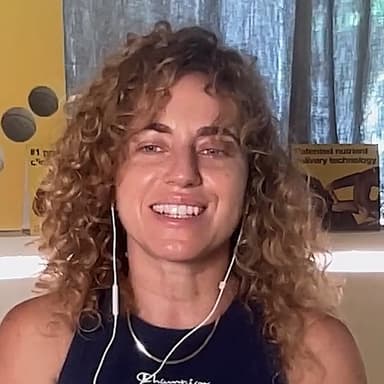
Kat Schneider
Founder & CEO, Ritual
A thousand no's is a market with no one in it
She sold one vitamin, at one price, for two years before she shipped a second product. Ten years later Ritual does more than $250 million a year.
Where to watch and listen
- Revenue in 2024, across DTC, Amazon, Target and Whole Foods
- $250M+
- No's she counts across the founding of the company
- 1,000
- Selling exactly one product, at one price, before the prenatal shipped
- 2 years
- Committed to human clinical studies to date
- $5M
- Patents to date
- 6
- The California heavy metals law Ritual was the only brand to help pass
- SB 646
“It's so exciting when someone says no to me now, because it just means it has never been done before.”
Kat Schneider arrived in Brooklyn at four and a half, a refugee from the Soviet Union, with fifty dollars and a suitcase. She was running a seventy-company venture portfolio when she got pregnant, went looking for a prenatal vitamin, and could not find one that would tell her where the ingredients came from. An investor she had known for years told her she could start a business or a family but not both. She has three daughters, six patents, and a company that did more than $250 million in revenue in 2024.
The household she grew up in read labels for a living. Both her parents are mathematicians; her father started a software company in a country whose language he was still learning, and her mother went from Wall Street to macrobiotic cooking after a breast cancer diagnosis. Kat studied math, ran an investment portfolio of seventy companies for Troy Carter — Lady Gaga's manager at the time — and describes herself as the ultimate skeptic, the product of people who assumed the label was not the whole story. The sentence she took out of the welfare hotel is the one she still leads with: circumstances are not the same thing as outcomes.
She quit four months pregnant. Carter wrote the first check with the line that he did not know exactly what she was doing but he believed in her, and then the room went quiet. She had the network a venture partner has and it bought her almost nothing, because she was not starting a software company. Pregnancy was niche. Postpartum was niche. Perimenopause was niche. One of the best known investors in Los Angeles told her she could have a business or a family and there was no way in hell she was doing both. She counts a thousand no's across the whole of it and now treats each one as a market signal: if everyone says it cannot be done, nobody has done it.
What she built under the story is slower and stranger than the story. Ritual sold exactly one product — an 18+ multivitamin, one price point, subscription only — for two full years. The prenatal was already in development while customers were writing in to ask for it. She held it back to earn the trust first. Under that single SKU sat a fully traceable supply chain, USP verification that fewer than one percent of vitamins carry, a university clinical partnership and a patent. Five million dollars has gone into human clinical studies since, and six patents. That is what the venture money was for: she did not want to be making trade-offs on the science while she was scrambling for cash.
The customer she designed for is the one who does not believe her. She calls her the healthy skeptic, and she is explicit that the brand is for skeptics by skeptics. It is also why the advocacy is not marketing: Ritual was the only brand that turned up to help pass California's SB 646, the first law in the country requiring prenatal vitamin makers to test every lot for arsenic, cadmium, lead and mercury and publish the results. A company built on other people's suspicion ended up writing the rules its whole category will operate under from 2027.
A decade in, she hired her first CEO coach, and the thing he told her was something she already knew and had quietly stopped doing. Make yourself replaceable. Early on she hired better scientists, better operators and better marketers than herself, and she credits that with almost all of it. Then the business shifted from growth to profitability and she started playing the roles instead of filling them — the CMO hat, the CEO hat, the head of HR hat, all at once. The same instruction turned out to apply at home, where an immigrant kid who never had a nanny had to learn to accept help. Name the non-negotiables, pick the three things that matter this week, hire out the rest.
What the conversation covers
One product, one price, two years
An 18+ multivitamin, subscription only. The prenatal was already in development while customers wrote in asking for it, and she held it back to earn the trust first.
A business or a family, not both
What a leading Los Angeles investor told her to her face while she was pregnant and pitching. Three daughters and a nine-figure company later, she still names the moment as pivotal rather than bitter.
Embrace the no's
One of the few company values that has survived ten years of editing. A no means it has not been tried, which means the opportunity is still sitting there.
The healthy skeptic
The customer she designed for: chief health officer of her household, suspicious by default. The brand is for skeptics by skeptics, which is why it never ran on fear.
Make yourself replaceable
Her CEO coach reminded her of the thing she did instinctively at the start and stopped doing when the business turned toward profitability, and she spent two years wearing three hats.
Waiting for a co-founder is a cop-out
The excuse she hears from women founders and never from men. She thought she needed a scientist to co-found Ritual. Her husband, a serial founder, told her his failures were the ones with co-founders.
Timestamps
Mentioned in this episode
Companies
- Ritual — Her company. Women's health supplements, traceable supply chain, USP verified, sold direct and through Amazon, Target and Whole Foods
- Atom Factory — Troy Carter's company, where she was a venture partner running a seventy-company portfolio. Carter wrote Ritual's first check
- Beautycounter — Where Lindsay Dahl ran impact and mission before Kat hired her. Dahl now leads impact and legislation at Ritual
- Freshly — Mike's company. His first round took roughly a hundred cold emails and ninety-nine no's before the hundred and third person said yes
The science and the law
- Ritual's prenatal clinical study — Twenty-four weeks, sixty-two pregnant women, published in Frontiers in Nutrition with CUNY and Cornell. Unmetabolized folic acid showed up in 7% of the active-folate group against 31% of the folic acid group
- All of Ritual's clinical studies — The full list, including the postnatal study on breast milk quality she describes as having findings never shown before
- California SB 646 — Signed October 2025, effective January 2027. First law in the country requiring prenatal vitamin makers to test each lot for arsenic, cadmium, lead and mercury and publish the results
Concepts
- Embrace the no's — A company value for ten years. A no means nobody has done it, which means the opportunity is unclaimed
- The healthy skeptic — Her customer. Chief health officer of the household, suspicious by design. For skeptics, by skeptics
- Earn her trust before you ask for more of it — Why one product ran for two years while the prenatal sat unreleased in development
- The product is the moat — Her answer on community. There is no community without a best-in-class product underneath it
- Inspire, never scare — What she took from clean beauty and from food sourcing, minus the fear tactics both categories leaned on
- Make yourself replaceable — At work and at home. Hire better than yourself for every gap, then do not step back in when things wobble
- The co-founder cop-out — The reason women give for not starting, and almost never men. You can hire the gap
- The rule of three — Pick the three things that matter this week. Something is always dropping off, and naming which one kills the guilt
Show notes
Kat Schneider counted a 1,000 no's before Ritual worked. She was a venture partner running 70 companies for Troy Carter when she got pregnant, went looking for a prenatal vitamin, and could not find one that would tell her where the ingredients came from. She quit 4 months pregnant. One of the best known investors in LA told her to her face she could start a business or a family but there was no way in hell she was doing both. She has three daughters and a company that did more than $250 million in revenue in 2024.
This episode is presented by Proppel. https://www.weareproppel.com/theadvantage
Follow Mike on Instagram: https://instagram.com/mikewystrach
What you'll learn in this episode:
• Why she held back a finished product customers were actively asking for
• The proof stack under a single SKU: traceable supply chain, USP verification that under 1% of vitamins carry, a university clinical study, a patent
• Why this business had to raise venture money when most supplement brands should not
• The advice she forgot for two years and had to relearn: make yourself replaceable, then do not step back in
• Why waiting for a co-founder is the excuse she hears from women founders and almost never from men
• What she does with a no now
• The rule of three she uses to kill the guilt about what is not getting done this week
• Why every generational company was built by somebody with no experience in the category
If you are building something in a category that does not trust you yet, or sitting on a second product you are not sure you have earned the right to launch, this one is about the sequencing almost nobody gets right.
CHAPTERS
0:00 1,000 No's, Then $250M
1:44 $50 and a Suitcase
4:54 Running 70 Companies at 30
9:05 The Label Told Her Nothing
10:13 Quitting Four Months Pregnant
11:39 "Business or Family, Not Both"
14:44 Phil Knight Was an Accountant
18:38 His Business, Her "Project"
19:29 Pumping on a Broken Escalator
22:07 When You Need Venture Money
23:16 $5M on Clinical Studies
24:47 One Product for Two Years
26:19 She Sat on the Prenatal
27:56 The Product Is the Moat
28:36 Build for the Skeptic
29:20 One Brand Changed the Law
34:46 $250M Feels Like Nothing
39:17 A Decade In, a Coach
40:55 Make Yourself Replaceable
47:22 The Co-Founder Cop-Out
49:09 Why a No Excites Her
51:42 Three No's, Then the Check
54:49 The Rule of Three
58:47 Final Thoughts and Wrap Up
CONNECT WITH KAT SCHNEIDER
Ritual → https://ritual.com
LinkedIn → https://www.linkedin.com/in/katerinamarkov
FOLLOW THE ADVANTAGE
All episodes → https://mikewystrach.com/podcast
PRESENTED BY PROPPEL
Proppel places A-player marketing and operations talent from the US, LATAM and beyond: video editors, graphic designers and media buyers through to managers, directors and VPs. Performance-based, a one-off fee only once you actually hire, no retainers, no ongoing costs, and every hire carries a three-month guarantee.
Get 10% off your first hire → https://www.weareproppel.com/theadvantage
Full transcript
Mike Wystrach in conversation with Kat Schneider. Lightly formatted from the episode audio.
WiseTrack Co.: Most recent reported data we saw was 250 million in revenue. I was starting a vitamin brand. This is a decade ago. I was shocked that there wasn't a brand that I trusted. I was shocked by the lack of science in the category. But why did you choose venture over like other ways of potentially raising capital or you know bootstrapping and building this business? I wanted a clinical study for every product that I took. We committed $5 million to that to date. I received a thousand no's across everything that I was. doing it was quiet and nobody understood what I was doing. What was your kind of main go to market like strategy? I wasn't deeply passionate about supplements. All right. Kat, super excited to have you on today. I've been following your career trajectory for a long time now. if we've crossed paths in the health and wellness space, but really excited to have you on to share your story about starting ritual. And just like yeah I I mean it's it's been such an amazing success, but I'm sure that's the outsider looking in. You know, I always tell people like, don't believe everything you read in TechCrunch. there's a lot of hard times behind the scenes. But we'd love to dig into it. Yeah. Thanks for having me. Definitely hard times. Every day is a hard time, but it doesn't stop us from keeping going. From it doesn't stop us from, you know, building and and creating, right? yes. And I think it's actually like, I mean, not always, but it's part of the fun. Like part of the fun is that it is hard. If it was super easy, it wouldn't be as rewarding. At least at the end, it's rewarding that it is hard. You got to stay in it. at least for me, that's been the fun part. Yeah, no, the the fun part is is definitely the challenges and and getting through them. I I was born in Ukraine, I'm a refugee and grew up in a welfare hotel in Brooklyn. We were just talking about the East Coast. And so for me, I was born and bred with this idea that circumstances are not the same thing as outcomes. And the challenge for me has actually always been such an exciting part of the journey to know that you can be anything, you can create anything. And that was just something that was always a grade in me. So I love that you said that the, you know, the challenges are are just as much as part of the the joy as it is the the struggle. Let me pause here for a second. This show is brought to you by Propel. They find brands like yours exceptional marketing and operational talent in the US, Latinam markets, and beyond. For now, the links are in the show notes and all of our listeners get 10% off your first hire. Okay, let's get into it. Well that's I mean, that's a big reason I started the advantage was like to share the story of like upward mobility. I think in the US you have you have this opportunity that you really can change your outcome. It doesn't make it doesn't mean it's gonna be easy. It doesn't mean that like everything is gonna work perfectly. But like I still believe in the American dream that like you with enough energy, passion, work, ethic, like you you you can change like where you are and change your status. And I still think like people underestimate that, you know, we're one of the like few places in the in the world where that opportunity still exists. It's an amazing, you know, obvious obviously our country has a lot of issues, but it's an amazing, amazing place. And I will always be forever grateful to have been raised here. When I was four and a half, we we were refugees from the Soviet Union. We moved to Brooklyn, a welfare hotel with $50 and a suitcase. And I You know, was surrounded by drug dealers and prostitutes, and my parents were were hiding me from from what was going on in in the walls of where we were living. And at the same time, I you know, they were forty, had two kids, and my dad became an o I saw my dad become an entrepreneur at start a software company, I saw my mom learn English, go to business school and crush it on Wall Street while I was just a small child. And just seeing that drive and hustle. showed me that this was was the land of dreams and and just such a land of opportunity and that I could be anything that I wanted to be. I could do anything that I wanted to do. And the circumstance where she came from really didn't matter. And that was just such an incredible gift that I started my my life with. Did did you always know from like a young age that you wanted to be an entrepreneur? I mean your dad was an entrepreneur, but did But you kinda went more of a traditional path at the beginning. Did you know you were gonna end up back at entrepreneurism or or walk us through kind of that? That's such a great question because I I always knew I wanted to start something, mostly because I saw it I saw I was so inspired and I saw so many people start businesses, whether it was my dad or eventually my my husband's serial entrepreneur, my career. I was surrounded by CEOs and and entrepreneurs actually ended up running. an investment fund here in LA for Troy Carter, who was Lady Agava's manager at the time, running a portfolio of 70 companies, everything from Uber, Dropbox, Barbie Parker, Spotify. And I just met these amazing founders that I was so inspired by. And I and I knew in my bones that I someday was also gonna gonna be one of them. But it took me a while to figure out what it was that I wanted to Essentially, I'm sure you could really commit your life to 'cause it's it's a grind and it's something that you think about every second of the day, every moment of of the morning and the night. And I didn't have I had a lot of ideas over the years, but nothing that really stuck or nothing that I I said, Hey, I'm the right person to do this. I'm gonna change an industry, I have the unfair advantage. And When I when that happened, I knew it was the moment for me to to start something finally. The reason passion's so important is passion gets you through the tough times. Passion, passion makes it not work. passion makes you like, and I think like leaning into something you're excited about, you're you're in love with, I would say if like, if you can find something that you would pay people to do, that's the job you want to do. Like, and and especially for entrepreneurs, is like, Choose a category, an industry, a product that like you're obsessed on. And you're obsessed even before like making money. Cause like the money part is always harder and slower than you'd want it to be. it's like no matter how many Instagram videos or YouTube or whatever of like, I made a hundred million in my first year, it's like, well, it it likely statistically is not gonna happen. But the if you really enjoy what you're doing, like that's the key. Like, that's what I always tell people is like if you choose a career. To build something that you would want to be involved in every single day, then no matter what the outcome is, you're winning. And I think you you did that in health and wellness. so walk us through a little bit of like how you got to this category that you chose. Yeah, I was always deeply passionate about health and wellness. to be quite honest, I wasn't deeply passionate about supplements. And I actually think that was what. made this company what it is today. I am the ultimate skeptic. I was raised by a family that grew up in communism, that didn't trust anything they saw, that would, you know, check every label, check every, you know, politician out, every poster, you know, this, you know, what are the other ingredients that are not listed on the label was something I heard from an early age. Funny story, I when I was pregnant with my first daughter I went out, my dad's like, go off for a walk, it'll be nice for you. And while I came back, he had tested my water under the quality of our w water throughout our house and installed water filtration systems everywhere. And you know, was like, this has elevated levels of heavy metals, these are the heavy metals in this water. And and and I was like, Wow, I never asked you to do that, but thank you. And so it just kind of gives you a sense of of the family that that I grew up in. That was just always questioning everything. That wasn't that everything at face value wasn't what you saw. And so I grew up in in a a a family that was very passionate about health and wellness. My mom actually ended up getting breast cancer when I was pretty young and became left Wall Street to become a macrobiotic chef. We had a Norman Walker press juicer when I was, I don't know, 12. I I grew up on in wellness like what it is today. over twenty years plus ago, I did a blood type diet when I was in my teens. I was on the other side of wellness long before I think it was cool. But I was always really passionate about science. My dad is a mathemat both my parents are mathematicians. I'm also a math I studied math at college, very analytical and obsessed with science and chemistry and physics. And so when it came to choosing a prenatal vitamin for my pregnancy I was just shocked. I was shocked that there wasn't a brand that I trusted. I was shocked by the lack of science in the category. I was shocked that nobody knew where the ingredients they were putting in their bodies were coming from and why, especially women during some of the most vulnerable life stages that existed. And so for me, it wasn't just let's reinvent the prenatal vitamin for what it is, but How do I set out and build a totally new standard in the supplement industry? And then so you have this kind of like aha moment. You you you you know, for a long time you've been surrounded and been able to see entrepreneurs. You have this aha moment. But I think like for so many people, like what was that step? Cause there's always like that step between like, I have an idea and then like now I'm gonna actually do it. Like Do you remember like what the first thing that like set the actual motion, like where you just said, like, okay, this is actually something I'm gonna really do? So I was four minutes pregnant. I it happened really quickly. I decided to leave my job as a venture partner with Troy. He was actually our first investor, and he said, I believe in you. I don't know exactly what you're doing, but I got to, I believe in you as a founder. And it was interesting. I had all the advantages in the world as a venture capitalist who had, you know, a network of so many investors. But when I told them that I wasn't starting a software company, I was starting a vitamin brand. This is a decade ago, in women's health, it was quiet. And nobody understood what I was doing. Wellness was not hot at the time. I'd go into a room and say, Hey, I'm gonna not only set a standard in in the supplement industry, but I'm really gonna double down on women's health and and women's health is so underserved, underfunded. I see a really massive opportunity there. A lot of the the conversations were like, wow, pregnancy is so niche, postpartum is niche, perimenopause is niche, why would you focus on that? Why are you even starting a supplement brand like with your background? That's so crazy. And I remember walking into an investor's office that I knew for a long time. He's one of the leading investors in LA. And I was pregnant and I and I said, and I was very naive. And I said, I'm gonna, you know, change the industry. And he said, Well, you have two options. You can either start a business or a family, but there's no way in hell that you're gonna do both of those things. And You know, and I did, and I have three kids and a business that's doing nine figures and like you said, it I'm doing something that I'm really passionate about every single day and I'm so lucky. But i I that was a really pivotal moment for me because I realized I was gonna get a lot of people that didn't have that vision yet that I did that there was this. really pivotal opportunity to invest in women's health and women's needs, that wellness was going to explode over a decade later and that I was the right person to do it all. Yeah. And you guys were and how do you like, cause I know we were talking and and part of our like the advantage mission is to help, you know, I want to be part of like helping inspire 10,000 businesses. And I think you were what you were saying earlier that like you want to be part of inspiring women. And and moms, because I think a lot of you know, f certainly a lot of women, period, but but moms see like entrepreneurs as like they get the same pushback. Like how how did you or how have you been able to manage kind of the balances of being mom and being CEO? Which is like you know, I will say like it is two insanely demanding jobs that you've done a phenomenal job balancing. I think I told you about the importance I told you about the importance of Where I came from and how I was raised. And for me, it was hard to see anything but the interconnection of family and business, because that's how that's how I grew up. I mean, what's the whole point of everything, right? What's the point of everything we're doing if it isn't, if it isn't our children, if it isn't their futures? And so when I thought about how did I want to create this. the perfect life for myself because it that's all that really matters and my family. I wanted to create something that I was I was proud of that they would be proud of and that they were also integrated into. And what I saw was a lot of as I was building, I talked to a lot of female founders or wannabe founders. And there were so many reasons stopping them. From building and yet they were the right people to build companies. Like we need more women building businesses because I think if you have a personal experience, you're coming at it from such a unique lens versus someone who got their MBA and they see a market opportunity on a slide. Those are the those are the businesses and ideas that have this long lasting drive and are generational businesses. Not to go off on a tangent, but I You know, I was thinking about it. One of the questions I often get asked is like you have no experience in in supplements or science. Like, how did you start this, right? And I think a lot of women a lot of women get that question, but not a lot of men. And when you look at the businesses that are generational businesses, whether it's SpaceX or Amazon or Netflix, even Spanx, none of those people had any experience in the industry that they totally changed. Phil Knight at Nike, you know, is an accountant. Jeff Bezos at Amazon had some tech and finance experience. Reed Hastings was you know and a software was in software and yet Netflix is like one of the biggest content studios in the world. Sarah at Spanks was selling fax machines. And so to bring it back, I think it's really interesting because all you need as a woman is this personal experience a drive and women and mothers have that tenfold. And so it actually is the it's this such a unique opportunity to go and start something. And yet culturally we're we're saying, hey, you also, you know, the demands of starting a family, all this stuff, but they're actually so intertwined and connected. Do you think and I I don't have the right answer, but like, do you think that maybe 'cause I think all those examples you gave of like like Elon Musk, Jeff Bezos, like all those guys, they did get a lot of the people saying that. Like they did get a lot of people saying, like, you know, if you go back and look at Elon Musk, it was like, you have no right to start a car company. You don't know anything. All you guys are like, and and obviously the more success Elon got, it's gotten a lot easier for him to raise capital. But like I can I can say like, you know, for us to get our series, our our first round of financing took almost a hundred cold emails with you know, 99 no's And I I often think like which they weren't wrong. We had no experience building a food company. We had no and like I think that was also like a good thing, hindsight, because we approached problems differently. And but do you think I guess do you think women get more of that or women just maybe like listen? Like maybe guys are just more bullheaded and don't listen and and like say, Screw you, I'm I'm gonna figure it out. Like I wonder if it's that or if like women get more or less because I could at least speak for myself. It took ninety-nine no's and then the hundred you know, literally it was like the hundred and third person said yes. But like all the people said the same thing. They weren't wrong. Like you guys have no experience doing this. You like why is like why is, you know, Nestle not going to do this? Why are any of these other people not going to do it? what do you think that do you think it is like women get a lot more of that or or women kind of listen more Yeah, and I and I obviously ha having been an investor, I don't think it's easy to fundraise regardless of your gender. I I think it's really hard to raise capital for businesses, especially ones that you haven't had experience in, whether you're a man or woman or other. And and I s and I saw this firsthand. I would say my husband and I actually started businesses on the same say week. I was four months pregnant. wow. I started virtual. You guys like pain. You have kids, multiple startups. Like, wow, let's go. Yeah, just like just risk it all, you know. Completely not risk averse. not risk averse. so yeah, he started a business called service in the same week that I started virtual. And we both had been in tech circles and had been in the same rooms, been in the same stages. And I would go to a, you know, I actually you said tech crunch this. TechCrunch, we were on, I was stage at TechCrunch Disrupt when we started Virtual. He we'd go in the same conference and people would see me pregnant and they would say, Kat, how's your project going? And they would say, Michael, how's your startup going? And how's how's your business doing? We started the businesses at the same exact time and You know, things were different a decade ago for sure. I think things have gotten so much better for for women. There's so much excitement around women's health. But I think I think it's a combination of the experience that I and I'm just speaking from personal experience of being a woman, being a pregnant woman, then a breastfeeding woman, then a mom with a venture-backed company, is very, very different, I would say, than The experience that my husband had, or or the or the founders that I saw that that were male. I remember pumping on the top of a broken escalator and the tech crunch disrupts. There was no such thing as a as a mother's room at the time. And I think it was because people had it seen, people hadn't really seen an example of, you know, a unicorn or billion several examples of. a billion dollar businesses that were founded and run by a pregnant woman or a mom at the time and now we have we have several and and it's really exciting and and we have more female investors both on the venture side and the private equity side and and it is I I think it is different, but it doesn't change the fact that being a mom or being a woman you have a personal experience with a category That is so uniquely different and it creates a lens that where we need more businesses in the world because people have had those experiences, versus people building businesses around what they think women need or what they, you know, think they know women need, and particularly around women's health, it's very nuanced. So that's where I'm where I come from is I just think more women with unique experiences should be starting businesses, you know, even if it's hard. To raise money, which it is for everyone, right? I I couldn't agree more. I think getting more more different types of people starting businesses that have because I do think to your point, like if you have a personal perspective of the thing you're solving, or if you are, and I think a lot of the times coming from outside of the universe, like you're not like you know, Elon Musk was able to approach cars differently, you know, the Spotify, Uber, like none of these people had traditional backgrounds. So they were able to think about like how do you solve something different? And I think to your point, like you you had obviously health and wellness background with your parents and you were passionate about that, but like no supplement experience. So you're not corrupted by the way things are. You're you're you're more like I I think like a, you know, it's almost like you're idolistic, like you have an i idea and you're like, why shouldn't supplements be like this? So You did choose, and I think this is also important, is like you you were inside the VC ecosystem. so you did have access to kind of different kinds of investors. But then, you know, as you as you think about different ways of starting businesses, there's certainly, you know, there's the bootstrap business, there's the venture venture style business. You know, when we raise venture capital, I was always like like look, we want to go really aggressive. So But why did you choose venture over like other ways of potentially raising capital or, you know, bootstrapping and building this business? you know, what was kind of your perspective on ta on going the venture route? It was exactly what you said. I didn't I wasn't tainted by what a supplement or the supplement industry should be. For me, it was starting from square zero or point zero of what do I want to see? In a supplement. And for me, it was, and I wanted a clinical study for every product that I took. I wanted to see that the product had actually been studied in people like myself. And I knew that they worked and that they were efficacious. I wanted to know where the ingredients came from so that I knew that the products were safe and ethical. And I wanted to know that they got into the body and I wanted there to be a technology element. I think all those things actually made virtual very complicated and not just one thing. I think at the time there was a clean movement at Beauty and we were just so much more than that because I wanted to just start from ground zero. And in order to do that, we needed to raise venture money because an investment in science and human clinical studies was expensive. We committed five million dollars to that to date. An investment in third party certifications, whether it's Clean Label Project NSF, USP was expensive in third-party testing. And an investment in the technology of how the ingredients get into the body and the product gets into the body is also expensive. We have six patents to date. So just doing things differently. I didn't want, I didn't want to be scrambling for money or make trade-offs with the decision making for building. the future of health and wellness and in in these products that were really kind of reinventions of what existed in the past. Yeah. And so always like, you know, like I think venture is really good for like, as you said, capital intensive businesses. And and I do think like sometimes when you want to take on a massive, like big, b you know, big industry like supplements, you you do need a lot of cash. It's not like a, you know, especially if you want to do things different. And you guys certainly have. When you went you guys started more as a I think and and correct me if I'm wrong, but you started more with like a general supplement and then you only got into like prenatal and postnatal a a little later, right? Or kind of walk us through the journey of like the first products you guys launched and how you thought about the evolution of products that you've launched subsequently. That's actually really true. And most people don't realize that we only had one multivitamin for OMAT Plus for Two years in the beginning. We started with one single SKU, one product. And the reason for that was really to earn her trust. We were it's hard to launch all a lot of products at once, especially on direct-to-consumer, because you're telling so many different stories. The more focused the story is, the more compelling the story is, and the easier it is to earn earn trust. At the time, we were one of the first. brands that were that was digitally native in the supplement industry when you most of the brands were on you know in store, it was really unusual, especially in women's health, to be online. And so we started with the women's multivitamin 18 plus, which which had USP verification of less than 1% of vitamins have. It had a full traceable supply chain. So you can go online and see where the ingredients come from in the world. And early on I already partnered with a university for a clinical study. So it was and it had a patent. It was like this complete reinvention of everything the multivitamin should be. And it was one price point, one way to buy subscription only and just really simple, you know, and I miss those days honestly. It was one product, one price point. Wow. That was that was that was the highlight. and so two years, two years in People started writing in and saying, Hey, would you ever consider making a prenatal vitamin? Little did they know that was already in the works, just wanted to earn her trust before we launched that product. And now we have one of the leading prenatal vitamins in the US, number one across many, many channels of platforms, and the only leading one with a human clinical study. it's something I'm so proud of. We just published the results of that clinical study, but it took a while. To earn the trust where we were selling something online for, you know, for pregnant women that people wanted to buy. That was really novel at the time. Yeah. And I think, you know, big I like it sounds like focus, focus, focus on making sure you get one product right, earning that trust, not doing the next thing before you get the first thing right. I I continue to say like people always fast forward to like where a company is 20 years after they've they've been around and then being like, we're gonna be that. And it's like, well, it took them 20 years to get there. Like you gotta you gotta kind of ease your way into, you know, becoming the multi, you know, product business. And it sounds like you guys absolutely nailed that because I I know like you launched in 2016, you know, freshly was growing, but you guys had a huge buzz. I think you guys did a great job of like really like the, you know, the your customers were talking and were very vocal about like the quality of the product you were you were you were putting out. Did did you guys do anything to like help support that or was that like what was your kind of main go to market like strategy? Cause you guys were certainly absolutely everywhere and and kudos to you obviously a great product always helps that. I think the product is it is the moat. And it's interesting because I think about community all the time. I mean for the last decade is all I think about. I I don't think community exists without the best in class product, w for whatever that might mean for a company. But the product was not our mission. Our mission was to be the most trusted brand for women's health. And we set out to to create a new standard in the industry, and it very much felt Like our customer who we call this the healthy skeptic or the skeptic. The brand is for skeptics by skeptics. She's also, and it I I it can make sense given my origin story. she's also the chief health officer of our household. She's making all the purchasing decisions. She was part of our mission. Like she is part of changing the industry with us. And that's been true since day one. It feels like our customers like our champion for everything we want to see that's been different. And I think that that created the buzz. It created, you know, an unusual amount of press in the in this category. and then more recently, you know, with the help of our community, we were the only brand involved in helping pass legislation in California around heavy metal transparency and prenatal vitamins. And so it's just so much more. It's so much more than just The products, but it starts with the products. And how much I mean, obviously you guys have played a big role. Like part of like you've you've always come like I think you you said you came at this more of a skeptic and like, you know, like but a lot of people are like how much did you guys have to educate people that like, hey, these are all the things you don't know about supplements? Like obviously you spent a lot of time educating like like Congress to and and your company spent a lot of time educating laws. How much as How much investment have you guys put into like educating people about the the problems in these things? So from day one, I didn't want it this company to be like a fear tactic business. I I felt like it we came at the time where by the way, I'm like such a student of other categories. I think when you build in a category in a new way, you have to look at other categories that have done things in an interesting way. And both food and and beauty were were areas where I'm still like the getting my master's in. and so when I looked at the beauty industry and the movement around clean at the time, you know, because the beauty industry is a almost a decade, I think, ahead of where where supplements are. It's so fascinating. A lot of that came from what products are made without. And actually ended up hiring Lindsay Dahl, who was the head of impact and mission at Beauty Counter. She's also leading impact and legislation for us at Ritual. That's such an interesting case study. But what I saw was that it was interesting because people were so focused on what things what products were made without that they lost sight of what products are actually made with. Let me pause here for a second and introduce you to our title sponsor, Propel. Every business I've built has had a huge, huge, huge piece With international talent. And as we started building the advantage, we wanted to bring in international talent focused around media, podcasts. And we started doing a lot of research and we came across papel. And we were really excited first and foremost to use them for us. And we later reached out as a sponsor. Here's the best part: it's all performance-based. You only pay one off fee once you actually hire someone. That means no retainers, no ongoing costs, plus every hire comes with a three-month guarantee. I think bringing on international talent is really hard. really rewarding. As we all know, bringing a talent onto your team is the most important part about building a business. And with Propel, I can speak for ourselves, they have been a huge part of our ability to recruit great talent to our team. Every advantaged listener gets 10% off their first hire. For more information, check out the show notes. And when I looked at the food industry, I was like, this is a really interesting example where, you know, sourcing matters, where People are sharing you know, where the kill is coming from, who the chickens are playing with, and just like an and very nuanced look of ingredients. And kind of a merger of those two things were were really inspiring to me when I when I first came out with virtual and still continues today around this idea of made traceable. Like you deserve to know what you're putting in your body and why it point blank, especially women. And so we shared every source of our ingredient, but it wasn't it wasn't in a way to scare people, right? We started out, and that's what we became known for, is high quality ingredients. but it wasn't a fear tactic. It was like more inspiring. Where it's become more recent is I think others have done the job for us around why that matters for people's health. More recently, there's been, you know, articles around Heavy metal issues and protein powders. And point blank, if brands don't know their supply chain, they're at such risk for impacting people's health, especially when it comes to things like heavy metals. We have no health protective measures when it comes to heavy metals in the industry. So to answer your question, we never scared people into things. We inspired them and just asked them to. The advocates for their health. And I think others have done that job for us. That's great. I mean, so just building a brand based on trust and more of like, here's what we do versus like here's what others don't do. I think like always like I think that positive message when you build a brand more around like like I I don't I agree a hundred percent. Like if you build around negativity, even if the negativity is against bad things, it it it doesn't pres like it's hard to grow great loyalty. First the great things you guys are doing. How and you've now built this company. I think the most recent reported data we saw was 250 million in revenue. probably beyond that now. Like from an idea of you know, pregnant mom who's got an idea to do this. Like, is this beyond where you ever thought you could be? Like, is it I I mean, in a little, you know, right around 10 years, I guess it's it's almost your guys' 10 year anniversary pretty soon, right? Or if you just passed it. like is it is it like amazing for you? Yeah, I think the the numbers are just like a scorecard for me. It it doesn't feel it doesn't feel real sometimes. I'm so focused on the next thing and profitability and we have a board and sometimes it's hard to be like, wow, we're doing such a good job, you know? As a CEO, you never hear that. The moments that feel really good to me are moments when you know, people reach out from my past or people stop me on the street and say, Hey, I delivered my two babies using ritual. And it's just like I'm like, this is crazy. We we are winning in one of the hardest places to win where people are trusting us for their pregnancies of something they're putting in their bodies every day. things that still get me super excited a decade later is like we peer review to publish their clinical study on our prenatal vitamin. Around folate. We just completed a clinical study around our postnatal vitamins showing the impact that a postnatal has on the quality of humid breast milk. It's huge. Some of the findings have never been shown in in a study before, not brandal brand aside, and are and have major like ripple effects for generational health. And I'm like, this is crazy, like that a brand and our brand can actually have this kind of impact. The legislation that we're helping pass every day. you know, I have three girls and just this idea that I can change an industry or something that they're putting in their bodies for the future, virtual aside. those are like the moments that I get emotional about and I am like, wow, I I can't believe I've been doing this for a decade. It doesn't really matter how long. but the numbers are actually the thing that is like kind of a drag, I would say, or like are not as important in a way. They're important for for making sure you're hitting your targets and your and your benchmarks and like the growth and the profitability for the board setting, but not for the on my human like emotional side. Yeah, it's it's fun it's funny. I mean, similar is like from a you know, I've I've very very proud of like the business we built and I think the numbers to your point are the scorecard. And I think but always like for me with a scorecard that it represented is like how many people we were touching and always like the the thing that like made me the proudest is like the individual stories. And, you know, I I just was I posted something on on Freshly and and someone shared a story of their dad who was an elderly who was his mom had th her mom had passed and the the mom was kind of took care of the the dad or was like the major like cook in the house. And they used Freshly and every week they'd get together on the phone and talk about ordering their meals and And she's like, that was not only my connection, but it was like me feeling like from across the country I was taking care of my dad. And like I think when we started freshly, we started it. We wanted to help people eat healthy, but we didn't imagine all the different ways we would do that. And so, you know, for me it's like it was always like the individual stories of how we touch different lives. Always hear those. So when you do hear those, it's it's it's really fun. To your point, like when someone says, like reaches out in the street or says, like, I you know, I love your product, it's Those are the things that make you kind of I at least me made me make me more proud about or make me the mo I mean make you the the proudest of like the the journey, the hard work. Cause it is, I think, from the outside it's like it's so much hard work. Even when it's going well, it's it's hard to your point. Like even when you're you're crushing it on revenue, it doesn't always feel like that in ha inside. It always it always feels like whack-a-mole. You're always behind on something. There's always something to get better at. but when you Think about like, cause I'm sure, I mean, now you guys have built such a a a high quality brand in in many different aspects and and you've succeeded at so many different levels, as you said, from from making a a true social impact on on supplements and the quality of supplements, but also building a massive business like which is the point zero zero one percent. What's like what's some of the top advice you give to founders that you think is like, That you think is like the top two pieces of advice that you give to every every person who's thinking about starting a company. Yeah, I have so much advice. Which I didn't. But I like I could I could talk about advice for an hour. I never had it, and now I do. A part of it is also started working with a CEO coach, which I is part of my advice. I I only started working with a CEO coach the last couple of months. Can you imagine like a decade? And I everyone's like, You should do this. And I'm like, No, no, no. I d I don't it's not for me. And I'm like, wow, this is so helpful. It's just nice to have somebody to talk to that has no skin in the game. And I treat him like a therapist, which I probably also need. But I think he like he's he's been a he's been amazing. His name is Neil Shore. He has a book coming out that's called The Twenty Fifth Hour, and he's a serial entrepreneur. One of the things I learned from him is actually interesting because it's a reminder of the things I knew. There's so many things you you know and you have instincts on when you're starting a business early on that you forget as the years go by. And those are some of the most important lessons or or things that it's like really important to not forget. The first thing that he reminded me of was make yourself irreplace irreplaceable, right? Sword. Make yourself irreplaceable. where you where you find talent. Right. Am I sorry? I'm gonna sp back. Is that right? Irreplaceable does that mean like I think s someone can irreplaceable or irreplaceable. Irreplaceable is no one can no one can replace. No, no. The o the opposite. Yeah, you want to make yourself replaceable. Yes. Okay. I'm gonna start again. Sorry. It's been a long day already and it's only eleven. the the piece of advice that I knew early on was make yourself replaceable. And I kind of forgot it along the way. So basically, as in the early stages, you hire the best talent for all the areas that you have the gaps in. And that's actually what I would say attributes to 99.9% of ritual's success. They've hired the best scientists, the best operators, the best marketers. And and then you're like, what do what's my role here? and it's it's a really interesting time in a founder's in a founder's journey where if you hire really well, you have this moment where you say, like, what what do I do here? And it's really there is a lot you do, which is setting the b vision and the strategy. but hiring is a big part of that. I think what happened to me in the last couple of years where I forgot about that is I started playing some of the roles instead of hiring for them. And part of our business it it shifted from high gross to growth and profitability and profitability at this scale is is really important. so I was wearing like the CMO hat and the CEO hat and the head of HR hat. And the truth is no single person is really good at all those things. And it definitely shouldn't be the the CEO. And so I had to go back to, hey, I'd actually how do I make myself replaceable where I've actually hired the best people for every single role. And how do I get back to that? and so it took a while, but I that's a phenomenal piece of advice that I needed to be reminded of. My advice I always give CEOs is that you should you should have never been able to been hired in your company. So the I always tell people the reason I start companies is because I never would get hired in them. And and what I mean by that is like I hire people in every specific role who who is so much better than I could ever be in that role. And then I make them hire people that are better than them. So like, and I I think that's like you're constantly trying to get the teams to to up level at every single like at every single level. and as a early founder, you do everything. You're the marketer, you're the supply person, you're the scientist. But when the next person comes in, they need to be 10x better than you at that role. And you need to hold them accountable to that. And that's that's what I've like I just always tell CEOs is like your job is to hold the bar really high so that you're kind of like, I should never be at this company because all of these people are so much better at everything they do than I am. And and that's when you know you're a good CEO. A hundred percent. And I think what happens is when things are not going as planned, there's a natural instinct as a founder and CEO to step in. Yeah, to lead back in and I had to learn the hard way that that was not the right thing to do. Right. Well, and then the other thing I think you see is like, and I I always tell like, and I'm sure you saw this, and it's it's I guess easy one of the things you to hear, but like your job as CEO changes every single year because the company grows. And so thus, like the processes that work at 10 million don't work at a hundred million. And at a hundred, they stop working at two hundred. And and so, you know, the hard part always for founders is like. Every year your job is gonna slightly change. I guess there's a fine line between a coach and a therapist, but I always like to think that a coach's job is to not give you, not to give you what you want to hear, but to give you what you need to hear. And like where I always thought a coach was really good is like, you know, I love golf and I play golf and I suck at golf. And I wish I was better at golf and I want to get better, but I have a ton of coaches and they have to tell me things that I'm suck at and that I have to change and that if I keep doing this, like I'm gonna keep getting the same outcome. And I I think that's a big part of like CEOs is that as the company grows, you have to grow. And the things that worked at a hundred million will not work at two hundred million. And the hardest part for a CEO is that you're at the front of the tip, you're at the front of the spear. So like you have to be changing ahead of everyone else. and it's hard and you get wrong and you realize like, shoot, I I made that wrong decision and And then there's also parts that I love more than others. So like I I did realize like at the end of Freshly, I was like, I kind of like the earlier stages somewhat better. But I did get a lot of skills. Managing a company of 2,500 people was very different than managing a company of, you know, five where everyone's in the same room and you're kind of like you're able to do everything. But what else do you think when you advise founders? Like, and I think your unique perspective and and I I you know I 'Cause I do think and I talk to a ton, I can't give any practical advice. So I really yeah, I have four older sisters and three of the four all have kids. And I was fortunate enough on after Freshly, I I talked to my sister, and my sister's the the a world class veterinarian and she's been amazing at everything she did. And she got into kind of this crappy situation with another founder and like he just like he screwed her and it was what it was. What I think I was able to instill in Audrey is like the the belief in her that I knew, like, Audrey, you're you're an absolute beast. I've seen what what it takes for a founder and like you have a hundred percent. And I'm like, let's do this ourselves. Like, why? And and so we started petfolk, but like what I saw is like, I guess when I was younger, is like what I and I again I'm painting with broader strokes, and this is me and my four sisters and my twin brothers, is like my sisters are Insanely and Audrey is a great example, like insanely smart, was a multitasker, straight A, you know, triple straight A student. And she just needed to like hear, like, you can do it. Like, this is not like it's hard, but you're really good at hard things. And like it's not, but like the more like I leaned into like you can do it, the more she so I do think getting women role models who tell other women that like if you're sitting across a guy and he doesn't believe in you, it doesn't matter. And you know what? A bunch of guys have guys that don't believe in them anyways. You just gotta like believe in yourself and go through it. It's not gonna be easy and it doesn't guarantee success. So I that's at least like my outsider, you know, male perspective on on this. But like what do you think like if you advise either young or moms like on who are thinking and want to do a startup but are fearful, like what's your advice? Yeah, I love I love what you said because it's something I I hear a lot. I feel like the biggest cop out for women is saying they need a co-founder. Like I'm not gonna start this until I I find a co-founder, right? And we just talked about how you don't really need the ex experience in the industry to really change it. You get hired for that. And but what I hear, 'cause I I talk to a lot of male male CEOs and founders as well, they never say that. They're never like, I'm gonna wait, you know, two years until I find this technical co-founder or this you know, co-founder to set the started this pet business. They're like, I'm just gonna go for it. and so I think it's like a little bit of that confidence, but the co-founder piece is actually the cop out. And I had that starting. I I thought I needed a, you know, I thought I needed a scientist to co-found ritual or a doctor to co-found ritual because I wasn't that. My husband was the one that actually said, you know, I've star he's a serial freeze, like I've started many businesses. I can tell you some of the businesses that have failed were because I had a co-founder. And and so you can hire you can hire very well for those roles and and gaps that you have. and and it's your vision and your drive that's actually gonna result in success. And as a woman, maybe it's your experience in, you know, postpartum or your experience going through parivanohas or pregnancy that leads to really fascinating experiences and ideas that really change the industry that are that are really unique as a founder, but it's not building the technology, which you could raise money and hire for and and work really hard for. So I love that you said that because it's actually a n piece of advice I always give women to like not wait for finding a co-founder just go. and then and then the other piece of advice is to embrace the nos. That's actually one of our company values. That's actually been one of the ones that we've had for a decade. We've changed a lot of our values, but this is the one that's really stuck. And for me, you know, where where I started the company, I received a thousand no's across everything that I was doing and the idea. And I learned early on to use the no's as the fuel. It's so exciting when someone says no to me now because I'm like, it just means it has never been done before. If you're telling me no, that's just wow, there's such a big opportunity. It just means that no one's done this. and so I get excited when when I I gotta know, like, no, you know, this is too expensive to make, no one's used this encapsulation technology in this way before that it's gonna combust. I'm like, cool, this has never been try no one's it's too hard for someone else to try to do this. you know, there's never been a clinical study on, you know, HMO and human breast milk quality. I'm like, okay. You know, I I love this. This this is a really big opportunity. And so I I look at the nose as like these big opportunities and something to really get excited about. You're you're literally speaking my love language. I'm gonna do a shameless plug for the advantage newsletter, but literally our the my PDF is called Collecting Nose, which is like the f like and the the one thing that changed cause I think as a founder, all you hear is no. Like you hear and early days you hear so much nose and As humans, we we hate rejection. So as humans, we're innately designed to want to be accepted. We want to be part of the tribe. We want to be part. So we love yes. Yes feels good. But there's so much value in no. And and you know, mine collecting no's is based on on fundraising, but every no Is a learning opportunity. Every no is is understanding like why. So I think like as a founder, if you change your mindset to embracing those, and I that's why I say collecting no's, like your job as a founder is collect no's. And the more no's you get, the more you learn, the more you iterate, the more fast. And and whether you're hiring people, because like I always said, like, look, if we're not getting people to say no, and we always it would be like someone needs to say no to wanting to work for us five times before they say yes. Because that means we went after the right caliber p person. The person who says yes the right away is probably not like and we saw that with investors. And and you know, my my our most recent investor, Deerfield, who is an amazing investor, said no three times before they said yes. So we went to three different rounds. And I think, but at every round we didn't look at it as like a defeatist, like, my God, life sucks. This is horrible. And I do think if you are going to be a founder, if you're gonna like you nailed it, is like you're gonna get way more no's than yeses. And that's just part of the game. But if you get really good at it, like you, you don't, it's not discouraging. And that I think is like the the the mind shift that founders do real that great founders do really well is they find a way to add value in everything. And and that's a just a I think a tremendous mindset. A hundred percent. When you think about let's get one specific to moms, because I I do think like you're I at least know and and I have a phenomenal wife and She takes the lion's share. But like as a mom of three and now building a massively growing business in the stress, like go do it. And if you build the life that you want to live, like you'll find how to and I always that's at least kind of my advice is like don't ever think about work-life balance. Think about like if work is not something you want to do and then and then life is this thing you want to do, then like you've designed a horrible work experience. Like work should be like messed with your life, but like. How do you as a as a mom kind of find that balance on on the work light or like the I know you said you said earlier, but like if you're advising someone and someone says like I can't do it because I have two young kids, but I really want to do this, like what's that hard advice you would give I I'd give them the same advice my CEO coach gives me for business, which is make yourself replaceable for for your children. I you know, it's it it sounds odd, but I it for me it was You know, growing up as an immigrant, I never had a nanny. It was so hard for me to accept any help as an early mom and founder. But then I realized the help was the only way that I was gonna do both. And what I've done recently is is find out like what I wanna be doing with my kids. Like what is it that like what is my perfect ideal day? What do I want to be doing with my kids? I want to be taking them to school every day. I want to be picking them up from school every day. I want to be making them breakfast. And I want to be putting them down for bedtime. Like what are my like non-negotiables? And then everything else, you know, how do I find the support, whether it's your partner or a friend or a parent or you know, a nanny or somebody else to really like systematize the other parts. That maybe you don't want to be doing. And I I feel so lucky, like the amount of time that I get to spend with my kids throughout the day. because I get to control my own schedule and my own life and decide what's important to me is like unheard of. But it's because I have these like hard lines and like I'm putting them down every day. I'm I don't care what's going on, that's happening, has been really, really helpful. And then the other thing is There's kind of this rule of three. It's like pick a week and pick the three things that are important to you because you're not, if you don't like invest in your health and your business and your kids, then you probably you know, if you're investing in your business and your kids and your health, you're probably like not seeing your friends. and some of the other things are dropping off, right? And so I think figuring out you know, nothing nothing's ever gonna be fully balanced, but figuring out what are those three things that matter week by week, meaning gets rid of a lot of the the guilt, not just as moms, but as parents. and that's been immensely helpful. The other thing is I really incorporate my kids into my business. Like they know what's going on. They like wanna see the ads that I'm making. They want to sometimes be in them. They're so aware and like integrated into my day to day work. They come to the office and they're so proud and it it's really, really it's really amazing when they're like of the age where they understand what you're doing and and they're your biggest cheerleaders. It makes it all the worth it a million times over. Yeah. I mean that's that's great advice. I think it's like the I think somet so many people paint things in like black and white when almost all of life's in gray. And like you can you can a lot of the times you know, have your cake and eat it too, but you have to be very thoughtful on like exactly what piece of the cake do I want, what piece am I willing to like give off. And I think your your approach on like, hey, these are the these are the things I really want to do. And these are the things that need to get done, but but I could probably get someone to help me and support me on that. And you know, it's like it's it is that balancing act. I always tell people like you the great thing is life is designable and people take for granted that like you can actually design your life and and and you have to be thoughtful on it. And there are trade offs obviously but like but you know it's like the the painting the things and like, you know, work is work is horrible. Life is great. I'm almost like look like if you're gonna live your life that way, like that's a miserable way to live and you're always gonna feel l losing. And I do think like even I can say for myself, like I want to be part of my kids' lives. I talk a lot about like, hey, how do we make that happen? I get I wake up at four fifteen so I could get home and I do dinner every night with the kids. But that's the balancing act you gotta take. So it's not easy. But I think d things are doable. They're approachable. But to your point, what that usually means is, you know, I'm not going out and partying 'cause I'm getting up at four fifteen. So like I I don't have an insanely like active social life, but that's Yeah, it's okay for me. And I think there's is the trade-offs. If you really want a social life, well then you may have to trade off something else. I think the integrating things together is really what's the game changer. Like I i I feel exactly like you. I don't need to be party, but I my health is important to me. Working out is important to me. It makes me better as a parent and as a CEO. And so for instance, this morning I invited our whole company to play tennis with me, you know, and we went to the park and played tennis and it was so fun when I got my workout. But it was so fun to be able to do that with the team. It is work. Or, you know, bringing the kids to the office where they're like painting while I'm on a million calls. Like and they get to have a their own entrepreneurial training. Like it's like the more you can or with a friend, maybe you're not going out partying, but you're incorporating them into a workout, into a hike. Like how do you merge the different parts of your life together so you are living your best life. I really feel like a decade in. I I couldn't think of a better like life, a whole complete, fulfilling life. And I think that's that's like what it's all worth. Right. Well, congratulations on everything. I'm super excited that we got to connect here on the decade. where else? So ritual dot com. for those of you, those of you ladies and women out there, you gotta go check it out. If you're not already on it, Extraordinarily high quality. You guys have so many products now too. I'm just looking at the website in front of me right now. What are some new products that that you can share are coming out pretty anything? Anything you can share that's coming out that's not on the website yet? I can't share, but we do have products for both men and women, even though we are a women's health company, one of men's multis, like one of the top men's multis. Surprise, surprise. see, I'm learning I didn't know I'll sign use them. I'll sign use them. we have a pro pre-pro postbiotic that you know crushed it in the first year, did 30 million in sales, and it's really novel. I don't know if you're stressed, but we have a stressed product that we have a patent on the technology that has ashwagandal, theanine, and saffron, and manages your cortisol throughout the whole day. we have a clinically studied skincare supplement that reduces spine lines and wrinkles. And it's clinically studied over 12 weeks to reduce them by. We're 300%. We have a plant-based protein. It was one of the few that consumer labs and consumer reports rated really highly. because plant-based proteins have are notoriously high in heavy metals. It uses regenerative farm keys grown in North America. my gosh, there's so many things. and I love the magnesia. But I do we do have something really exciting coming up in the next couple of months. We're entering a new life stage. And one of my All-time favorite products we're launching in October. Wow. So we gotta we gotta stay tuned here. And then where else can people follow you? they can follow me personally on I'm I'm more active on LinkedIn, I would say. And but ritual is available at ritual.com, Amazon, Target, we're entering Costco and Walmart, Whole Foods, all the places. Well, congratulations on all the success. Really appreciate you being on today. And looking forward to following and and I'll be tuning in in October to see what what you guys are launching. Thanks. So fun to be on. All right. Thank you. Thanks.
Get the written version
Every week Mike writes up what he's learning from these conversations and the companies he's building. Free.