Episode 937 min
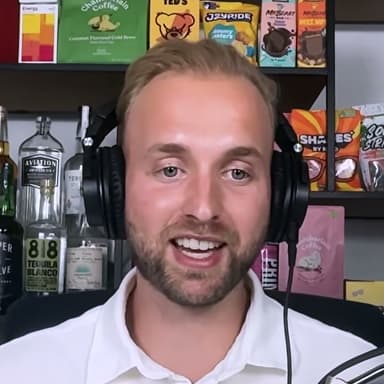
Scott Van den Berg
Founder and Managing Partner, HotStart VC
Supported by a celebrity, never dependent on one
He invests only in brands founded by celebrities and creators, and the fame is the third or fourth thing he checks.
Where to watch and listen
- His first celebrity-brand checks. The founders wanted him on the cap table anyway
- $10K
- HotStart's check size, pre-seed and seed
- $250–500K
- Where the celebrity ranks in his due diligence, behind product and team
- 3rd or 4th
- Yeezy's yearly revenue, about 7% of Adidas, gone overnight
- $1.7B
- The equity a starstruck founder hands a celebrity before the posts stop converting
- 20%
- LinkedIn followers, built writing about celebrity-founded brands
- 38,000
Follow Scott Van den Berg
“If they don't buy it with their money, they're not going to sell it with their influence.”
Scott Van den Berg runs a fund that backs only companies founded by celebrities and creators, and in his due diligence the celebrity is the third or fourth thing he looks at. He is Dutch, arrived with no network in the US, let alone Hollywood, and when he started pitching equity deals to talent managers they asked him why a client would take stock in a startup nobody had heard of over a $3 million check from L'Oréal or Nike for a couple of posts. So he stopped pitching and started writing about celebrity-founded brands on LinkedIn. Five years later the managers call him, and the portfolio he describes runs through brands founded by Selena Gomez, DJ Khaled, Jake Paul and Katy Perry.
His first checks were $5,000 and $10,000. He had been helping celebrities structure equity deals with startups, and when their managers brought him the next company he told them he did not have hundreds of thousands to invest, only ten. The answer was that it did not matter, they wanted him on the cap table. People in his network then asked to invest alongside him, which became a run of SPVs, an angel syndicate and now HotStart's debut fund, writing $250,000 to $500,000 into pre-seed and seed rounds. Two of his venture partners co-founded The Honest Company and Feastables.
The mistake he sees most is a founder who gets a call with a celebrity who has 20 million followers, is a little starstruck, and gives away 20% of the company to become the next Skims. Two or three posts in, the followers are not converting, nobody is happy, and a fifth of the cap table belongs to someone who has stopped showing up. His rule is to date before you get married: find out what a very rich person actually wants from a company, then price the equity on who they are, what role they take, what they will actually do and what stage you are at, and vest it on time, on deliverables and potentially on revenue milestones.
The test he uses for fit is one line: if they don't buy it with their money, they are not going to sell it with their influence. His example is Kim Kardashian, who by his account drank Update for a year, emailed its founders marketing and product notes, and worked with the team for a year before she formally came on as a co-founder. The fastest route to a celebrity is the same idea from the other side. Get the product into their hands, with no ask attached, rather than sending a deck about market size.
The risk he underwrites against has a name, key celebrity risk, and the case he points to is Yeezy: about $1.7 billion a year in revenue, roughly 7% of Adidas, gone overnight over things Kanye West said online. It starts with the name on the box. He thinks Chamberlain Coffee will be hard to sell because nobody will ever separate it from Emma Chamberlain, and he asks every brand for a graduation strategy, the plan for the company to live beyond the person who launched it. The best celebrity brands, he says, are supported by a celebrity but never dependent on one.
What the conversation covers
Supported, never dependent
The celebrity might sell the first unit. The product decides the second, third and fourth. That is why fame sits third or fourth on his due diligence list, behind the product and the team.
Date before you get married
Twenty million followers and a 20% grant, then two posts and no conversions. What to learn about a celebrity co-founder's motives before any equity moves.
Vest it on the work
Equity priced on who they are, their role, their scope and your stage, and vested on time, deliverables and potentially revenue milestones, so a partner who stops posting does not keep a fifth of the company.
Buy it with their own money
If they don't buy it with their money, they won't sell it with their influence. Kim Kardashian was an Update customer for a year before she became a co-founder.
Key celebrity risk
Yeezy did about $1.7 billion a year and ended overnight. He asks every brand for a graduation strategy, and thinks a brand named after its founder, like Chamberlain Coffee, is harder to sell.
Let them come to you
Managers were built for cash deals, taking 20% of what a client earns. He fixed an education problem by publishing, and now the managers bring him the deals.
Timestamps
Mentioned in this episode
Companies
- HotStart VC — His fund. Invests only in brands founded by celebrities and creators, $250K to $500K checks at pre-seed and seed
- Update — The energy drink Kim Kardashian joined as co-founder in February 2026, after being a customer first
- Retrograde — Grace Beverley's AI talent manager for creators too small for a human one. A HotStart portfolio company
- Freaks of Nature — Kelly Slater's mineral sunscreen brand, the example Mike picked out of the portfolio
- Ripi — Frozen stuffed pasta developed with chef Joe Sasto. Cutting Horse, Mike's firm, led its round
- Chamberlain Coffee — Emma Chamberlain's brand, and his example of a name that will be hard to separate from its founder at exit
Concepts
- Supported, never dependent — The celebrity sells the first unit. The product sells the repeat
- Date before you get married — Learn what a celebrity co-founder wants before any equity moves
- Vesting on deliverables — Equity earned on time, on the work, and potentially on revenue milestones
- Buy it with their money — If they don't buy it with their money, they won't sell it with their influence
- Key celebrity risk — Yeezy was about $1.7 billion a year, around 7% of Adidas, and ended overnight
- Graduation strategy — The plan for a brand to outlive the celebrity who launched it
- Flip the script with education — Publish until the people you were cold-pitching start calling you
Named in the episode
- The Celebrity Co-Founder Dilemma — HotStart's piece on how much equity to give a celebrity co-founder, the article Scott offered for the show notes
- The Fame Game — His weekly newsletter on how celebrities and creators build brands
- Stanley — Stan's AI LinkedIn writer, which he uses to draft posts in his own voice
Show notes
Scott Van den Berg invests only in brands founded by celebrities and creators, and the celebrity is the third thing he checks. He started with $10,000 checks and no network in Hollywood. Now his portfolio includes brands from Selena Gomez, DJ Khaled, Jake Paul and Katy Perry.
This episode is presented by Proppel. Hire A-player marketing and ops talent from the US and LATAM, and get 10% off your first hire: https://www.weareproppel.com/theadvantage
Follow Mike on Instagram: @mikewystrach — https://instagram.com/mikewystrach
In this episode:
◼ The 20% equity mistake founders make with celebrities
◼ How to vest a celebrity's equity on work, not posts
◼ Why Kim Kardashian was an Update customer before she was a co-founder
◼ Yeezy's $1.7B collapse and "key celebrity risk"
◼ Why celebrity CPG brands stall near a $1B exit
CHAPTERS
00:00 20 Million Followers, No Business
04:04 No Network in Hollywood
04:47 Why Take Equity Over $3M?
06:49 The 20% Equity Mistake
09:13 How Much Equity to Give
12:37 Kim Kardashian Bought It First
14:25 $10,000 Checks, Celebrity Cap Tables
17:49 Celebrities Are Building Tech Now
18:53 CPG Caps Out Near $1B
23:55 Supported, Never Depended On
25:50 Yeezy's $1.7B, Gone Overnight
26:33 The Chamberlain Coffee Problem
31:10 TikTok Sells Chocolate Bars
37:08 Final Thoughts and Wrap Up
SCOTT VAN DEN BERG
HotStart VC → https://www.hotstart.vc
The Fame Game → https://hotstart.beehiiv.com
LinkedIn → https://www.linkedin.com/in/scott-van-den-berg-22b534150/
THE ADVANTAGE
Watch on YouTube, Apple Podcasts and Spotify. All episodes → https://mikewystrach.com/podcast
PRESENTED BY PROPPEL
Proppel places marketing and operations talent from the US, LATAM and beyond, from video editors, designers and media buyers to managers, directors and VPs. It's performance-based: a one-off fee only when you hire, no retainers, and a three-month guarantee on every hire. Get 10% off your first hire → https://www.weareproppel.com/theadvantage
Full transcript
Mike Wystrach in conversation with Scott Van den Berg. Lightly formatted from the episode audio.
WiseTrack Co.: Portfolio ranges, brands founded by people like Selena Gomez, DJ Khaled, Jake Paul, Katie Perry, to just mention a few. Just because you have 20 million followers doesn't mean you're a great entrepreneur. You created a very focused, narrow niche of celebrity-backed businesses, and you became the absolute domain expert there. If they don't buy it with their money, they're not gonna sell it with their influence. How are you getting access into those celebrities? So that's kind of how we solve the network problem by actually flipping the script and letting them come to us through education. I don't have hundreds of thousands of Dollars or millions of dollars to invest. I can invest ten thousand dollars if you would accept that. The best celebrity brands are always supported by a celebrity but never dependent on how much equity should they be thinking is the right amount? You see that the celebrity is not really converting followers into customers, and now you have someone on your cap table that has 20% equity. You started directly investing in these businesses. Walk me through a little of that journey. I literally started ten different companies, most of them failed. Scott, it's great to have you today on the Advantage Podcast. Thanks for joining us. Appreciate you having me. Well, Scott, really excited to learn a lot more. I mean, you're you've kind of got like the dream job of every ⁓ you know, I would say of a lot of our listeners, which is you get to invest ⁓ today in celebrity-backed and influencer-led businesses. But before we get into that with what you're doing at Hotstart VC, I'd love to just hear a little bit about your early journey, ⁓ how you how you got here. So ⁓ walk us through just kind of like You know, what's your background? How did you get to where you are today? Yeah, it's been a very interesting journey. I always kind of kind of wanted to become a Fancy capitalist, but my ⁓ path in getting there was definitely not linear. I am ⁓ yeah, I've been an entrepreneur for many years. I started my first company when I was 17 years old. ⁓ typical entrepreneur, did a lot of different What was that first company? ⁓ it was selling ⁓ phone cases. So literally just an e-commerce website where I was like importing phone cases from China with with soccer players on the back and then trying to sell it ⁓ yeah for for with margins obviously. ⁓ so yeah, had multiple business after, typical entrepreneur story, most of them failed. ⁓ then I had one ⁓ success, ⁓ which was an investment banking firm with which I was helping European startups raise capital from US investors. ⁓ and during that time we were working with a lot of innovative startups, and they always had great ideas, great products, great teams, but they never had distribution. And this was around the same time, like 2018 to 2020, when I saw the first celebrities launching their own companies. And I personally was always a little bit frustrated that these celebrities had massive platforms. ⁓ but the best thing that they were able to do with it was to come up with another white labeled ⁓ gin brand or tequila brand or beauty brand, slap their names on it trying to sell it for three times the price. I never understood why they weren't leveraging their platforms to launch innovative products and services that solve actual customer problems and are also better for human and planetary health. ⁓ so I was like, hey, I now have these interesting companies. ⁓ why don't I actually connect them to celebrities where celebrities can basically do what they do best and do an equity deal? ⁓ and these companies now have distribution. So that's kind of how I got into the space where I sold my other company and went full into the whole celebrity ⁓ venture space. Let me pause here for a second. The show is brought to you by Propel. They find brands like yours exceptional marketing and operational talent in the US, Latin am markets, and beyond. For now, the links are in the show notes and all of our listeners get 10% off your first hire. Okay, let's get into it. So in that that's that's a really innovative. So like rather than just kind of be the, you know, fifth, you know, XYZ company that's doing that, is like really find innovative brands that match that that celebrity that they kind of the two. are symbiotic and and try to put together a relationship there and then they can help scale is that did I capture that right? Yeah, ⁓ spot on. Perfect. So how so you you were raising capitals for European companies in the US. ⁓ how did you make this this this bridge to to get the access to celebrities or like walk me through like how how did you get that? Cause like that's always like the challenging I would think that for for someone who's not necessarily in the Hollywood scene like How are you getting the access into those celebrities? Yeah, you're spot on. ⁓ I basically had no network. I think it's also important to know that you hear a very strong accent, and that's because I'm Dutch. So I especially didn't have any network in the US, let alone Hollywood. ⁓ but it basically just started with me reaching out and and being like, hey, ⁓ I have access to these very interesting startups, you have access to these celebrities. I was mainly approaching the managers of the celebrities at that time, ⁓ and basically just ⁓ trying to explain why they should be doing equity deals. And what was funny was back then, like all these managers were like, Well, Scott is great and we love these companies, but why would I do an equity deal with an unproven startup that I've never heard of if I can just take a three million dollar check from L'Oreal or from Nike for doing a couple posts and that's it? And I was talking about but the upside and diversification and all those strong words. And they were like, Yeah, whatever. And that also has to do with that the business model back then, and still, to be honest. Is not really set up for these management firms to do these types of equity deals because they take twenty percent of what the celebrity makes and they need to pay the rent and they need to pay the the employees and that type of stuff. So they're just set up for cash deals rather than equity deals. ⁓ so I was like, Okay, we have an education problem here because they could actually make generational wealth from the equity deals that they will be doing versus just the brand deals. So I was like, Hey, instead of trying to do one on one education, why don't they actually do Also become a content creation creator talking about like equity deals and building ventures and that type of stuff. So about five years ago, I started to write, especially on LinkedIn, talking about celebrity founder brands, what works, what doesn't work, new ones, new funding rounds, which has over the last couple of years really helped build my own audience. ⁓ and what is funny is that now a lot of celebrities and creators and their managers come to me and they're like, I love your content, you're always spot on. By the way, I represent this person who's actively thinking about what's next and we're looking for a company to partner up with. Do you have one in your network or your portfolio? So that's kind of how we solve the network problem by actually flipping the script and letting them come to us through education. And so, like some of that advice, or like I guess, you know, for the listeners today, some of them are founders. Maybe there's a few that are celebrities or influencers and managers. When you think about How do you advise on both of those sides? What do these great equity deals look like? What is kind of like your overall advice when you're talking to either founders or on the other side, those influencers or celebrities? Yeah, there's so many advices that I would say, but ⁓ I think the most important one is that similar to like any co-founder relationship, it's like a marriage, right? and you really need to figure out if you're the right person for each other. So what I often see is that startups, they Get in touch with a massive celebrity that has 20 million followers, they jump on a call. That person like has a massive platform, but it's not an exact fit with the target audience of the specific company. But they're a little bit star-struck because they love their songs or they watch their movies and they're like, Yeah, let's do it. You know what? We're gonna give you 20% equity, ⁓ and ⁓ we're gonna become the next Kims or the next road or whatsoever. ⁓ then two posts in, three posts in. ⁓ you see that the celebrity is not really converting followers into customers. ⁓ the celebrity is not happy, the founders is not happy, and now you have someone on your cap table that has 20% equity. ⁓ so we always say is that you kind of need to date before you can get married, and that is very similar in traditional relationships, but also with these celebrities. Really try to understand who they are, how they can help your company, what is their personal mission, because they are often very rich. So for them joining a company as a co-founder, their personal purpose is completely different and the motivations are completely different than for regular people, so to say. So it's really important that you actually have those types of conversations and find out if there's a personal niche before anything else. So it's about I I think and and just to kind of repeat that, it's about making sure that you're matching on kind of passions, visions, and then also that like that celebrity is actually speaking to the right people for your company. So sometimes big broad reach isn't always the best. Sometimes more niche, kind of passionate people that are following something that really matches your brand is is it even better kind of fit? Is that did I capture that right? Yeah, a hundred percent. And it also just talks about like being entrepreneurial, right? It's like just because you have twenty million followers doesn't mean you're a great entrepreneur. So do these people also really want to roll up their sleeves and and work like day and night to make the company a success? Let's take Jessica Alba with the Honest Company as an example. So she literally stopped acting. She passed her acting career for seven years to focus on building a company. ⁓ so like, and I'm not saying that every celebrity should do that, ⁓ but like, are they willing to take those types of measures to yeah, roll up their sleeves and wanting to make the company so successful? From a founder standpoint, where do you think a founder should be thinking if they're gonna really get a celebrity partner? How should they be thinking, like, what is the quantum of equity? How much equity should they be thinking? is the right amount. And how do they then protect to make sure that they don't get that celebrity who maybe posts once or twice and has 20% of the cap table? Yeah. So there's no one size fits all. Obviously every deal is a little bit different and it has to do with many different variables. So it has to do with who's the celebrity. Like if you're working with someone like a MrBeast or a Kim Kardashian, you probably have to give that person a larger equity chunk than if you're working with a content creator that only has a one million followers. ⁓ it has to do with their role. Like, are they gonna come on as an co-founder or are they more like an ambassador who regularly talks about it? ⁓ it talks about the scope of of services, like what ⁓ what do they need to do? ⁓ it talks about the stage of the company, like a Series A company with real revenues ⁓ obviously has to give up less equity than a pre seed startup. So there's all these factors that you need to basically take into consideration. And I can send you an article that we wrote about this that you can add in the description ⁓ that I might be helpful for your listeners. ⁓ and then yeah, it really talks about setting up the agreement that actually protects the the founders if things don't work out. So can you implement festing over four year schedule? ⁓ festing both on time but also on deliverables, stating that a celebrity needs to do X, Y, Z in order to get their equity. It talks also about potentially including revenue milestones. Only if specific targets are being hit, then a specific equity is also being fested. ⁓ so that's how startups can ⁓ really protect themselves. Yeah, we definitely will post that article in the description. what do you think when when you think about someone who says, like, you know, I know ⁓ a lot of young CPG businesses, especially would love to have an influencer, but and maybe there's a target influencer, they they would be like, okay, this perfect this person's perfect. How do they go about reaching out? Do you think they just go and similar to you, cold call that management company, that team, and just be diligent that way? Or is there other better ways to access kind of celebrities nowadays? Well, yes and no. Like ideally you want it to be o as organic as possible. So is there a way, for example, to get your product into the hands of that specific celebrity or creator? Because talking with the product actually in their hands and having them experience it, that always sells ten times better than sending a PDF file with a pitch tag talking about the market size and why your team is so great and having a couple of pictures of of whatever. So I think like it's it's very interesting to look at yeah how you can actually get your product into their hands. Can you do PR boxing? Can you get an introduction from a specific person? Don't ⁓ have like a hard ask. Just say, hey, we are building this. By the way, you talked about this a couple of weeks ago. So we would love to send you our product and let let us know what you think and use that as a conversation starter versus trying to reach out to the management and say, Hey, we want to give the person five percent equity. ⁓ this is what the person needs to do and let let me know if he or she's interested in taking a call. And then on the other side, if you're a celebrity or maybe a ⁓ influencer who has, you know, let's say a million, several hundred thousand followers and and you now want to start diversifying, building equity in some of these brands, what do you think the best way is is to do that? Similarly, reach out to the brands that you're you're big advocates of? Or how how do you think about kind of coming from the other side? Yeah, I think ⁓ that is ⁓ Like one of the best ways to do it. Like ⁓ to name a great example, a recent example, Kim Kardashian recently became a co-founder of an energy drink called Update. ⁓ and she actually used to drink that already ⁓ a year before she became a co-founder. And she loved the product that much, and she sent the founding team like notes on like ⁓ marketing like ⁓ feedback or like product iteration that she thought actually were useful. ⁓ and then after one of the recent examples actually of ⁓ I think ⁓ a company that did this really well with Kim Kardashian. So recently Kim Kardashian joined ⁓ an energy drink brand called Update as a co-founder. And what was really interesting about that is that she was already a customer for a year. And during that year she loved the product so much that she started to email the founders and saying, like, hey, ⁓ here is some feedback on the marketing, here's some feedback on the product. ⁓ and then for a year she basically started to work with the team behind the scene ⁓ to really like see if there was a a deeper fit, if there was a deeper partnership possible. And then only after a year she actually formalized the whole partnership and came on as a co founder. But it's really important that ⁓ there's that authentic story because she actually was a customer. And if I always say if they don't buy it with their money, ⁓ they're not gonna sell it with their influence. ⁓ and ⁓ that's really important. Yeah, I mean I have a similar story. I can't to share names yet because ⁓ but we're ⁓ hopefully investing in this business. And they had a similar ⁓ situation with a a very high, you know, high status in ⁓ celebrity who had the product, fell in love the product and and reached out to say, hey, I want I would love to do something. I think to your point, that's always by far going to be the most authentic way to to have something happen because that person really truly is using that product every day. When so when you think about and now so now you've started directly investing in these businesses, correctly. Correct? Walk me through a little of that journey when you went from the investment bank, you were consulting, helping people raise capital to now like you're you're now directly investing in these businesses. Yeah. Also there, it's been quite an interesting journey. So like I I indeed started to work with these ⁓ celebrities and creators on helping them do equity deals with startups. And through that, I was basically Building working relationships where they basically saw the value that I was able to add to their companies. So nowadays, when their managers were representing other celebrities and they were launching companies, ⁓ I would often be one of the first people that they reached out to, basically saying, Look, Scott, you have been so helpful with the other company and your insights have been amazing. We would love you to have you as an investor in the company. And I was like, Well, that's great, but I don't have hundreds of thousands of dollars or millions of dollars to invest. I can invest $10,000 if you would accept that. And they were like, Scott, it doesn't matter. We just want you on the cap table. So I was literally able to invest in some of the largest celebrity and creative founded brands of this world with tickets as low as five to ten thousand dollars just because of the value that I was able to add. And then what was interesting is that slowly a lot of people in my network started to reach out and they were saying, like, hey Scott, I have money, but I don't have access to those deals. Is there basically a way that I can co invest with you? So for the last couple of years, I've done a lot of SP fees. Allowing folks to coinvest alongside me in these companies and build kind of an angel syndicate, as we like to call it, of five thousand LPs. ⁓ and now we are really formalizing that by launching our first debut fund to exclusively invest in this thesis. And that's awesome. And that's hot start VC. And then just give me some give the the listeners some some of the portfolio companies. Cause some of the portfolio companies you have in here are are are amazing companies, ⁓ with backed by you know huge celebrities. So What are some of the ones that you're really excited about on your portfolio there? Yeah, so our portfolio arranges brands founded by people like Selena Gomez, DJ Khaled, Jake Paul, KT Perry, to just mention a few. ⁓ those are obviously the most recognizable name. ⁓ but like fame or or follower count doesn't really matter to us. We've also invested in brands founded by creators that only have a million followers. What's really important to us is that authentic fit that they have. And I think what is also good to share is like I talk a lot about we, so who's we? I've onboarded a team that has a lot of experience in this space. So ⁓ one of my venture partners, he co-founded the Honest Company together with Jessica Alba, which IPO'd in two thousand twenty-one. Another one of my venture partners, he co-founded Feastables together with Mr. Beast, which is doing really well. We also have some celebrity and creator entrepreneurs who have leveraged their platforms to launch the skill ⁓ companies ⁓ as part of the team. So that's why we like to think that beyond capital, we can also really be a value ad where we can share those learnings and ⁓ hopefully help our portfolio companies to replicate the same successes. Yeah. And also, I mean, I think like just going through the portfolio company, you know, is it was cool seeing celebrities part of brands that are not kind of the traditional, like you said, the, you know, the the liquor company or things. But like, you know, one of them cop popped out to me was Kelly Slater ⁓ and Freaks of Nature. That, you know, it's just like a makes so much sense. He's in the sun all the time. It's like What are some of the other really innovative things that you're seeing kind of celebrities becoming part of that are are that, you know, if you think back five years ago, would not would not have been done or not common? Yeah, one of the trends that we're really excited about, actually two things. So one that we are really excited about is ⁓ tech. ⁓ so now you actually see a lot of them launching tech companies. ⁓ so we are, for example, investors in a company called Retrograde. ⁓ it's a company founded by UK based influencer Grace Befferly. ⁓ and it's an AI talent manager that they're developing. ⁓ so basically what they saw was that a lot of these smaller creators, they're too small for talent managers. And if talent managers sign them up, often they represent 200 creators at the same time. So if that means that they're arranging 200 brand deals for other creators, emails get dropped, and those creators need brand deals to basically make this a full time career. So instead of relying on traditional management where they're not really Getting new brand deals for you and they're just dropping the ball on the email thread. ⁓ they've developed an AI that can actually help you establish these brand deals. ⁓ so it's also interesting technologies that they're actually now launching ⁓ what we are really excited about. So that's one, like more the tech side. And I think also tech side, what's interesting about valuations, right? Because you see a lot of these CPG companies, they kind of cap out at a billion-dollar exit. ⁓ look at Once Upon a Farm with the recent IPO, look at the Honest Company IPO, look at Road by Hailey Bieber. It's all around that billion dollar mark, but tech companies can obviously see scale into the 50, hundreds of billions of dollar valuations. And then the second kind of structure what we really like is kind of a structure around multiple creators. ⁓ in my background, you see, for example, Prime. Prime is no pun intended, a prime example already there. Because instead of focusing on one. They actually have two massive celebrities with Logan Paul K Sai actually being a co-owner. ⁓ and I assume or I expect that in the future we're gonna see brands being launched by 20 creators as co-owners, ⁓ instead of just one or two. So those are kind of two trends that we're really excited about going forward. Let me pause here for a second and introduce you to our title sponsor, Propel. Every business I've built has had a huge, huge, huge piece with international talent. And as we started building the advantage. We wanted to bring in international talent focused around media, podcasts, and we started doing a lot of research and we came across papel. And we were really excited first and foremost to use them for us. And we later reached out as a sponsor. Here's the best part it's all performance based. You only pay one off fee once you actually hire someone. That means no retainers, no ongoing costs, plus every hire comes with a three month guarantee. I think bringing on international talent is really hard, really rewarding. As we all know, bringing a talent onto your team is the most important part about building a business. And with Propel, I can speak for ourselves. They have been a huge part of our ability to recruit great talent to our team. Every advantaged listener gets 10% off their first hire. For more information, check out the show notes. Yeah. And I think the other like the thing you hit on too is like just having domain knowledge. So being an influencer and seeing the problem of like how do you get a a talent manager, like you have domain knowledge. And then so when you build that, it's like it's it's not only authentic, but you're also building for a problem you once had. And I think that is just like that's the quintessential founder journey as well as like, okay, you know, be the first customer. So it is, it I totally agree with you. It is exciting to like that's it couldn't be more organic ⁓ to have like an organic solution that way. I think, you know, even a lot of the stuff Logan Paul and that team are doing, Jake Paul, are really things that they're into. And I think they're that It just it sells so much easier. It aligns because it's things that people really like ⁓ value. And I I I totally agree with what you're saying. That authentic piece is just really what matters a lot. Yeah. I'm curious. ⁓ looking at your own like investing, and I had a look also on your website. ⁓ you, for example, invested in, I don't know if I pronounced it correctly, but rippy, ⁓ obviously of of Chef ⁓ Joe Sesto. Like have you come across or invested in in celebrity or creative founder brands yourself? Yeah, so I mean, y so I think similar our our you know, we don't necessarily an influencer can be a plus or a minus. I think all the things you hit on. but for us with with Rippy, it was just an authentic, you know, the the founder built that business really around the idea of just creating an amazing pasta. And and the partnership organically grew because they they both were in love with creating great pasta and and and great ravioli. And so That was a deal where we fell in love with the founder. We fell in love with the product. We fell in love with the influencer and what they were able to create. But it was just authentic. It w you know, I think they were more excited to bring this product to life. They were pro they were excited to be the first customers. ⁓ and that's that's a business that we absolutely love. I we do think, and I think this is always the evolution that I is it used to be that, like, and I think you hit on this early, is that you know, you you start a company and then you as part of the marketing, you'd go hire a celebrity, right? So you go hire a celebrity, they'd be part of that. And then now you have this inverse that you have these influencers that have this massive market. So they already have the marketing. They have this platform. They have people coming and asking them, ⁓ and then now they're reverse engineering and they're building the business. And I think that's so, you know, I think that definitely is a huge help if you've already got a massive platform to launch. what we have seen is that you exhaust your platform really like no matter even if you have You know, even if you're the rock, there is a certain point where your platform has been introduced to and so at that standpoint it it really is about building a great product that people love and want to use. ⁓ and so where we really wanna always focus is authentic, are they like is the is the celebrity influencer really part of the genuine story? Are they building the product because they believe it it needs to exist in the world, whether it's technology or or a consumer product? And then that one plus one can equal five. And I I couldn't agree more with you. ⁓ but especially as you're starting, if you have an influencer with reach, you know, getting those first several thousand customers is a lot easier. No, a hundred percent. And I think you're spot on. What we kind of always say is that the best celebrity brands are always supported by a celebrity, but never dependent on, and that has to do with that the celebrity might help you sell the first product, but the quality of the product is gonna determine if people are gonna buy it the second, third, the fourth time. And that's obviously where you build real business. So even in our due diligence, although we are exclusively focused on brands founded by celebrities or creators, it's often only the third or fourth kind of factor that we look at. Because we first always look at is it a great product? Is it a great team that is operating it? Because if those are not in place, fame is not gonna solve anything. ⁓ it's actually even gonna make it harder. So ⁓ yeah, you need to have all those ingredients in place. Yeah, and I think that's also, I mean, that's a a real like, you know, my advice and I think most people's would be like, you know, one of the mistakes Oprah or ⁓ Martha Stewart made is they put their names on everything. So the problem is is that they then become the brand, the product. And so if they leave, if they sell it, it's really very difficult for that brand to continue without them. And I do think, you know, Honest Company's been a good example, Goop's been a good example where these were really backed in in the early days. The celebrity was a big part of the messaging, a big part of the brand. ⁓ even once upon a farm, a big part of of the brand. But then now the the brand has actually gotten bigger in some aspects, especially in what they're doing. Honest company, as you look at you know, diapers and and products for young kids, to where a lot of people don't even know that Jess Galba was part of that. They they they just like the honest company and the product and they like, and so that is, I think, the success as you, as you today, as you build is the yes, early it is about. the founder can really help influence, but you really want it to be about the product and and the offering. ⁓ you know, especially as like technology or those things. And then the over time that founder or the the influencer or the celebrity kind of falls falls off. Maybe they contain you know continue part, but that's not the reason you're buying the product anymore. Yeah. We kind of call this key celebrity risk. ⁓ so like we kind of always come up with what is the graduation strategy where you can actually live beyond the celebrity and I think like one of the case studies that illustrate why this is so important is ⁓ Kanye West ⁓ with G Z. GZ was like a business that was doing like one point seven billion dollars in revenue per year, which was about seven percent of Arida's total revenue. And the company literally had to shut down overnight of because things ⁓ Kanye West ⁓ Kanye West set online. So ⁓ yeah, it's really important to not build a brand on a celebrity. That's a that's a great point. How do you when you so when you underwrite that ⁓ again, you just make sure that it's not overly connected to that that celebrity? Yeah, a hundred percent. Like it already comes from something as simple as naming the brand. Like behind me, you have something like Chamberlain Coffee from Emma Chamberlain. In my opinion, I think that's gonna be quite hard to sell because is there a world where people are not gonna associate Emma Chamberlain with the brand? ⁓ so I think naturally you're always like, even if she sells the company, she's not involved, even if she does something in twenty years or or says something controversial, I think the brand is still gonna hurt whether she's involved or not. So it's simple decisions like that already, ⁓ that we look at yeah, in the whole ⁓ due diligence process. So I know you gotta be a little tight lipped on on the fund that you're raising just 'cause ⁓ for regular regulations and stuff like that. But raising a fund, when you guys look at your average or your target investment into businesses, what is that target size that you're looking to make into these businesses? And then outside of the capital, what else do you think you guys bring to the table on you know on the cap table? And what's the other value that you feel you bring? Yeah, ⁓ so we are investing tickets between 250K and 500K. ⁓ so we are small investors, we pre we are pre seat and seat investors. ⁓ we can definitely help with fundraising as well, ⁓ both through our network of other FNG capitalists or investors But also through the SPVs, as I just mentioned. ⁓ we have done SPVs already of like two million dollars. So it's actually quite interesting where as like a fund we can make 500k investment, but potentially through our network and through our OPs, we can set up a side vehicle and deploy more capital into our portfolio companies. ⁓ I think like our value ⁓ really comes back to our expertise on the whole celebrity and creative founder brands. ⁓ so as I mentioned, ⁓ The co-founders of Feasables and the Annes Company are part of our team. If you look at the top ten, potentially even top five, most successful celebrity and creative founder brands, the Annes Company and Feastables are definitely in it. ⁓ so there's not that many other investors that have the type of track record specifically in our niche. ⁓ but that is also why we love to partner up. ⁓ that's actually why by design we are actually It's quite interesting that we are small because that means that we can actually partner up with ⁓ experts in other air areas. So let's say we make an investment into a CPG company, we can partner up with CPG experts or we can partner up with AI investors if we invest in an AI company. ⁓ so that's we what really makes us collaborative. ⁓ and I would say what makes us unique. And then lastly, it's also kind of the media platform that we have built around the whole celebrity and creative founder brandnies. ⁓ so as I mentioned, I've been creating a lot of content about celebrity and creative founder brands, which has helped me to create a platform of over 50,000 people ⁓ will occasionally read my content about celebrity and creative founder brands. And we can obviously leverage that platform to put even more eyeballs on the company, ⁓ but also help with recruitment, ⁓ with partnerships, with fundraising and whatsoever. So is if someone's out there thinking pre seed, pre revenue, ⁓ an influencer, a large influencer or celebrity. ⁓ and they want to reach out to you, what's the best way to reach out to you? ⁓ I would say it's ⁓ Scott at hotstar.fc. Okay, perfect. So ⁓ we'll make sure to put all the links in the description below. and if you're ever looking in for partners on the CPG side, ⁓ feel free, please make sure to reach out to Cutting Horse. We'd love to we'd love to look at these and hopefully future be a future partner on a lot of these brands that you're launching. ⁓ what else what else are you excited in the categories you kind of think through is there anything else? I we hit on technology, anything else that you think is Is really cool that's coming downstream. Maybe hit on just real quick. How do you think TikTok and TikTok influencers is going to play? Just because like I know that's like a a whole new medium ⁓ that is is obviously growing quickly and has been growing quickly for the last, you know, five, six years. Yeah. I I think a couple things. So I think the industries start to wake up to the potential of this industry. ⁓ so especially the the older generation, they're not grown up on social media, right? So If I start to talk to an LP who's about 60 years old and I talk to them about Mr. Beast, they're like, who's Mr. Beast? ⁓ and then if you talk about YouTube and you talk about him doing hundreds of millions of views, it doesn't resonate, right? So, especially four years ago when I basically had the same thesis, ⁓ but no case studies so whatsoever, just a kind of an ⁓ yeah, a conviction about where the space was going. ⁓ and luckily the the space is kind of gonna catch up. What you also see is that ⁓ other marketing channels ⁓ start to like it become harder, right? Like ⁓ performance marketing becomes more expensive. So naturally people are shifting more to content and UGC and that type of stuff. ⁓ when it talks about like TikTok, like TikTok is just one medium, right? And you need ⁓ also to be active on other mediums ⁓ to build relationships. And the the reason why people are on TikTok is completely different than YouTube. TikTok is really about ⁓ fuse ⁓ and it's about that that six second dopamine hit. ⁓ whereas YouTube is about really building longer relationships with with your with your customer, with your with your yeah with your end user. So if you're trying to sell a chocolate bar, it's a lot easier to do that on TikTok because it's just like, hey, look at this delicious chocolate bar, taste it and that's it. But if you're trying to sell an AI talent manager, it's very hard to do that through TikTok. ⁓ And ⁓ a YouTube video is much more suited to actually do that. So I think also ⁓ the type of company and the type of influencer you really need to look at what platform are they active on and what platform are best suited to promote your product. That's a good point. I I didn't even think about that. So like you really got to think about like where do they actually have reach? And then does that does that channel innately create a platform which is going to convert, you know, whatever that product is. So you can a low cost, easy trial platform, TikTok is great, a high intent. You know, high cost, you know, high thinking, high trust is gonna be much better on YouTube or even long form podcasts, cause you're gonna have like you're gonna get to know that person a lot better. You're gonna be able to speak a lot more authentically, and you probably have a narrower, a smaller group of people following you. So sometimes it's like mass is good for some, and sometimes like very focused, targeted people are better for some products. Yeah, exactly. And like, ⁓ yeah, if you have a specific science that you need to explain, like TikTok is probably not the best platform to do that. ⁓ well, this has been awesome. Very much appreciate you coming on today. ⁓ we will make sure to put all of ⁓ your contacts and how to reach out to you in the descriptions. ⁓ I guess a few final questions as I like to ask for everyone as as kind of a founder. Yo, what's some advice that you would give to someone who's thinking about starting their own thing, whatever that may be, even if they're not an influencer? Certainly I you started in a realm that like you've gone from, you know, Europe to now being at the center of kind of the Hollywood and the influencer. What what's kind of the advice you always give people when they're they're thinking about wanting to do something to set out to do? ⁓ what's the number one advice you give them? Yeah, it sounds so cheesy, but it's just about ⁓ just doing it. ⁓ like I literally started 10 different companies, most of them failed, but every time I was just learning something that I could then apply to my next company and be a better entrepreneur. And then once I had the right ⁓ ID and then I had the experience of all those failed companies, everything came together. But if I then had the right ID and before I didn't have launched any company, I would probably also be, yeah, a a failure. So I think every single entrepreneur has tens of different failures and one or two successes that they're being praised for. ⁓ so I think it's just about trying different things and ⁓ yeah, ⁓ building your toolkit to be a better person every single day. Is there any ⁓ tools or anything that you're using now that you're absolutely obsessed with that you think ⁓ the followers should use that make you I don't that help optimize kind of your work or or do anything, any anything that you think it our our users should be looking at using? Yeah. Well I I hope that everyone is listening this definitely is using something like a cloud. So I like that's a little bit too too generalistic. If there's one specific more niche tool, I would say there's a great tool called Stanley, ⁓ which can help you with ⁓ creating LinkedIn content. ⁓ and ⁓ especially as someone whose ⁓ second language is English, ⁓ that really helps me to yeah re rewrite my post in a very captive way, which then helps me to put more eyeballs on my content. And yeah, and and you have a pretty big LinkedIn following, right? Like how many LinkedIn I think you have a pretty Yeah, it's about ⁓ thirty eight thousand people. Yeah, which is a great LinkedIn for and so you use that platform just to help you create pu ⁓ create content? ⁓ yeah. So I use Stanley to ⁓ rewrite my IDs so I can basically feed it with IDs about like, hey, Kim Kardashian just joined this company. Can you actually help me ⁓ write a LinkedIn post about it ⁓ using these points or or this message that I want to bring across? And then it can basically help me write in my tone of voice. So it's also trained on my tone of voice. ⁓ and just yeah, help me with ⁓ creating new LinkedIn content. There's other features as well where they can help you ideate new IDs. They can basically look everywhere online and say, Hey, ⁓ Kanye West just launched a new brand or this person just launched a new brand. We think there could be an interesting case study here. I don't really use that because I like to have my own unique IDs, but ⁓ I think for people that really want to start creating content online, it's ⁓ it's great to Yeah, and I think that's also a great example. I think for people out there is like you created on a very very focused, narrow niche of celebrity backed businesses, and you became the absolute domain expert there. And you know, that has thus created this opportunity for you. So I do think as people are thinking about creating their own platforms, being and LinkedIn's a great place for you because that's where a lot of people are are thinking about this problem and thinking about, you know. I want an influencer or I am an influencer. I want to I want to get into kind of these businesses. But good example of like building a very passionate, focused audience in like a narrow niche is sometimes very, very valuable as as you've proven here with being able to invest in, you know, celebrity backed startups. Yeah, you're spot on. And like five years ago, I would never expect to be in the whole celebrity and creative founder brand space. And what is funny is that because I'm Dutch, I didn't grow up with a lot of these celebrities and creators as well. So Sometimes I'm in a meeting with a very big celebrity and I'm like, which one of you is the actor and who's the manager? Sorry, you know? So ⁓ yeah, it's it's been a funny journey. Well, thanks so much for coming on today. Really appreciate it. ⁓ look forward to staying connected. And ⁓ if you get any cool, really exciting brands where you need a partner for a CPG, please reach out. We'd we'd love to join. Yeah, I appreciate it. Thank you so much for having me on. All right, have a good one. Yeah, you too.
Get the written version
Every week Mike writes up what he's learning from these conversations and the companies he's building. Free.