AI Vampires, and Why "We're a Family" Is Quietly Costing You
Welcome Note
Thanks for tuning in to the twenty-second issue of The Advantage. Almost everyone I talk to right now is bracing for AI to take jobs. I'm not, and neither is the data.
This week's watch is Marc Andreessen making exactly that case, and he's called more of these waves than just about anyone. Watch the whole thing.
Then the leadership idea that changed how I build teams. It starts by killing a metaphor you have probably used a hundred times. Let's get into it.
WORTH WATCHING:
Marc Andreessen: The AI Jobs Panic Has the Story Backwards
Marc Andreessen · Monitoring the Situation · ~60 min | Watch on YouTube →
Everyone you know is worried about AI taking their job. The press is running that story every week. Some of the biggest names in tech are amplifying it. Marc Andreessen thinks they are all looking at the wrong data, and he makes the case better than anyone I have heard. This is the video I have been sending to every operator that asks my opinion on AI.
Share of Americans farming from 1800 to today. The jobs changed. No one wants to go back.
WHAT I LOVED ABOUT IT:
Here is the thing about the AI jobs panic. If it were real, you would see it in the data first in the places where AI has gone deepest. Software. Engineering. Knowledge work. Those are the sectors that have had AI tools longest and adopted them fastest. By the doom logic, those workers should be disappearing. They are not. They are the most in demand people in the economy right now.
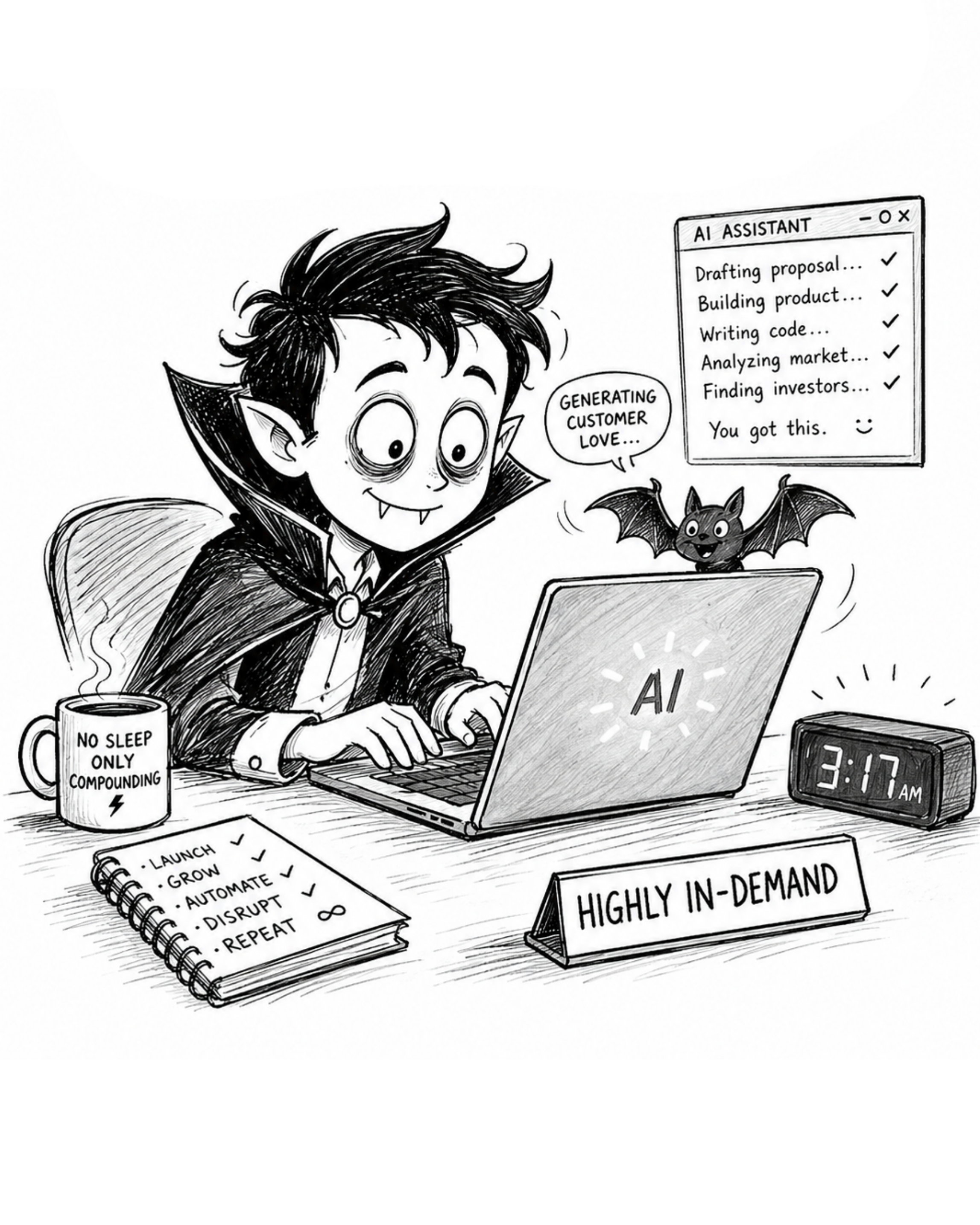
Andreessen calls the early adopters AI vampires. They stopped sleeping. They have bags under their eyes. They are completely exhausted. And they are euphoric, working harder than they ever have, building more than they ever could, commanding higher salaries than before. A16z's leading edge estimate is that the best coders are 20x more productive than they were a year ago. That is not a rounding error. That is a different category of worker entirely.
The AI vampire. No sleep, only compounding.
And then the May jobs number dropped the same week this aired. 172,000 jobs added against an 85,000 expectation, even as the federal government shed hundreds of thousands of workers. The private sector grew through it. That is the exact opposite of what the doom story predicts.
Andreessen's point is simple and worth internalizing. When you raise a worker's productivity, you do not get less work. You get more. The economy expands to fill the new capacity. It has happened every single time across 300 years of technological change, and it is happening again right now in real time.
THE RECAP IF YOU DON'T HAVE THE HOUR:
→
The media narrative and the actual data are pointing in opposite directions. Watch behavior, not polls. Usage of AI tools is up. Retention is up. NPS is high. People say they are scared of AI and then go home and use it every night. That gap between what people say and what they do is the real signal.
→
The AI vampire is your leading indicator. The programmers who went all in on AI tools are not getting replaced. They are getting promoted, getting paid more, and getting recruited harder than ever. 20x productivity does not create unemployment. It creates a new category of operator that everyone wants.
→
The layoffs are real but misread. Every major tech company has been two to four times overstaffed for years. AI gave them the cover and the catalyst to finally act. That is not AI eliminating jobs. That is a decade of bloat getting cleared. The other side of that clearing is a wave of new products, new companies, and new hiring.
→
The next job is builder. The old boundaries between engineer, product manager, and designer are collapsing. One person with AI can now do all three. Job titles change. The volume of work does not shrink. In 1800, 99 percent of Americans farmed. Today it is 2 percent. Nobody is campaigning to bring back the plow.
→
The doom story is being told by people who last used a free tier two years ago. The frontier has moved dramatically. Agents now run unattended for a full day. Reasoning models are genuinely extraordinary. If your opinion on AI was formed before mid-2025, you are judging a different technology than the one that exists today.
THE LINE THAT STUCK
"If you increase the productivity of the worker, you don't get a diminishment of human work. You get an expansion of human work."
PRO MOVE
Andreessen's challenge is direct. Spend two hundred dollars on the actual premium tier of one of these tools and use it seriously for one week. Not the free version. Not the add-on bundled into something else. The people who are most afraid of AI are almost always the people who have never been face to face with what it actually does today. That two hundred dollars is the cheapest way to get an informed opinion.
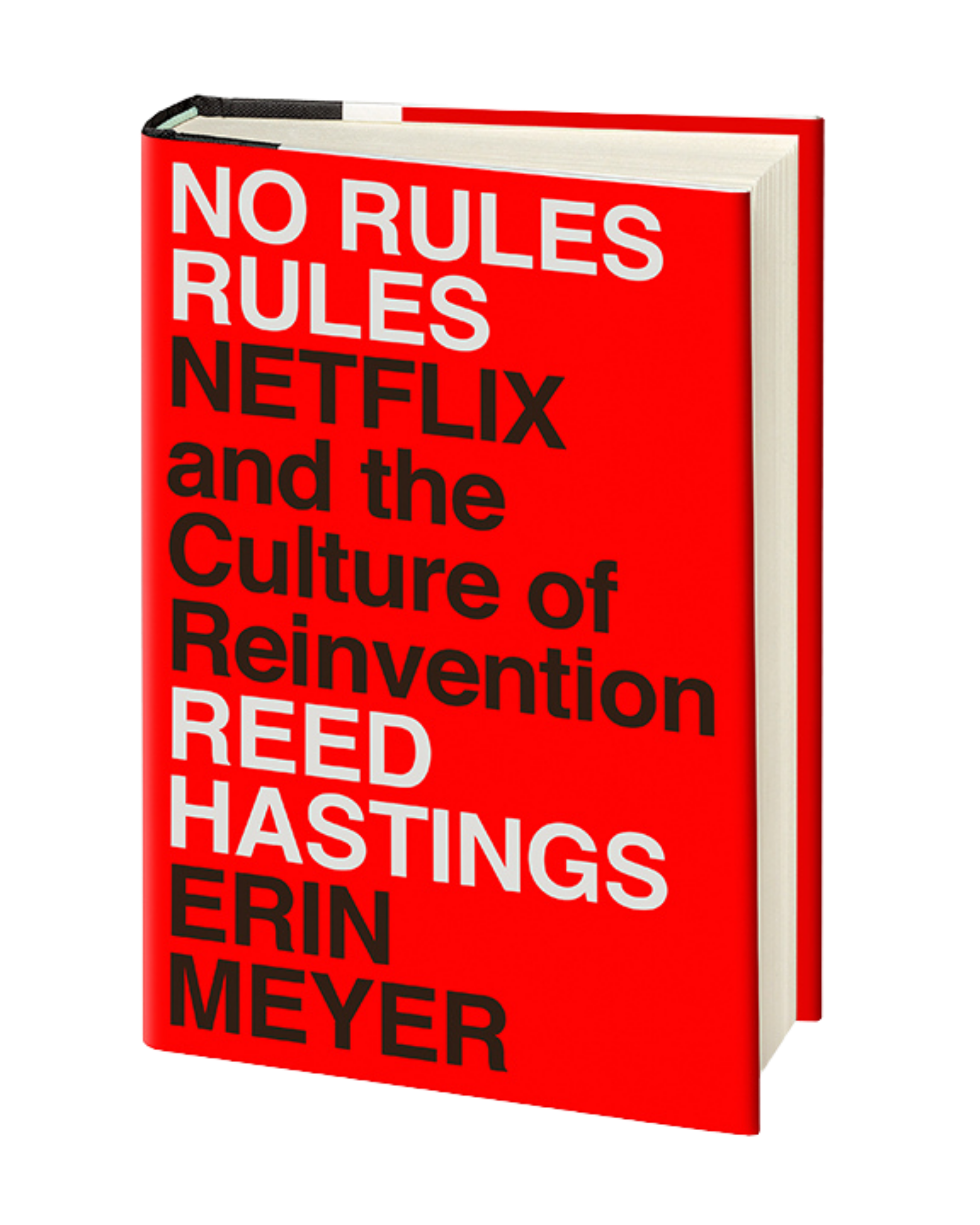
Reed Hastings, co-founder of Netflix, wrote a book called No Rules Rules. One idea in it changed how I lead.
The family metaphor is everywhere in business. Founders reach for it because they want people to feel something. It is an easy shortcut to culture. The problem is the moment you believe it, you start making decisions that actively hurt your business and the people inside it.
In a family, love is unconditional. Your kid fails and you still show up. That is the point. In a business, love has to be conditional. Not on how much you like the person. On whether that person, in that role, is making the team better. Those are completely different questions and conflating them is where companies quietly go sideways.
Hastings frames it as an Olympic sports team. Always trying to have the best players in every position, with a collective sense of improvement and success. Your job as the coach is to field the best team and win the championship. Sometimes that means moving players to different positions. Sometimes it means harder calls. That is the job.
WHY IT WORKS
Great players want to play with other great players. That is not an opinion. It is how high-performing teams actually get built. Hastings put it plainly: the best thing you can do for your employees is hire only A-players to work alongside them. The pull of a high-density roster is self-reinforcing. Top performers elevate everyone around them, attract others like them, and set a standard that mediocrity cannot survive next to.
The opposite is equally true and far more expensive. In a survey of more than 1,700 professionals, 68 percent said low performers lowered overall team morale, 54 percent said they created a culture where mediocrity became accepted, and 44 percent said they increased the work burden on high performers directly. Tolerating underperformance is not kindness. It is a slow tax on every great person on your team. When the wrong people stay, the right people leave.
"When the wrong people stay, the right people leave."
WHERE AI FITS
This is where the team-not-family mindset connects directly to everything Andreessen is describing above. The best people using AI tools are already putting up numbers that would have been unimaginable two years ago. A great operator with the right AI stack can do the work of three or four people, and do it faster and better.
But here is what no one tells you: you can hand someone the tool, train them on it, show them exactly what is possible. You cannot want it for them more than they want it for themselves. The people who lean in will become the most valuable players on any team in any industry. The people who do not will fall further behind, faster than in any previous technological shift. That gap did not exist five years ago. It exists now and it is widening every quarter.
Which means the coach-not-parent frame has never mattered more. Your job is to create the conditions, put the tools in front of your team, and point them toward the path. Their job is to perform. That accountability has to live with them, not with you.
Thanks for reading.
Mike Wystrach
Founder · Operator · Investor
→ Know an operator who's still bracing for the wrong thing? Forward it to them.