|
|
The Advantage · June 2026 · 3 min read
We had just raised $7 million. A few weeks later, our bank account was essentially empty. And that’s the part that still makes me laugh. Here’s the whole story. |
|
01 — THE PROBLEM
A chicken-and-egg problem with a hard deadline
We raised our Series A starting in March of 2015 and closing in June of 2015. At the time, we were running out of capacity in our Phoenix facility, a 10,000 square foot building. The timing created a classic chicken-and-the-egg problem. We had just raised $7 million, but getting a bigger manufacturing facility was going to cost more than that. |
|
02 — THE OPENING
A building Kraft suddenly wanted off the books
While I was out looking at buildings with a broker in North Phoenix, I came across a facility owned by Kraft. Kraft had just been acquired by 3G Capital, and 3G was actively downsizing their network of facilities. We knew we had an opportunity to be aggressive, but we also knew Kraft was not going to rent us a building. If we wanted it, we had to buy it. And while we didn’t have the money to go buy a building in the traditional sense… we technically did have the cash sitting in our bank account. |
|
03 — THE PLAY
Buy it. Sell it. In the same breath.
So I sent Kraft a letter of intent to purchase the building for $7 million, which was almost everything we had. Along with it, I sent proof of cash to close. Kraft accepted our number. The facility was perfect, set up for exactly what we needed, and as part of the deal we negotiated that all of the equipment inside came with the purchase.
The moment I had it under contract, I went to a real estate investor and friend of mine who owns large manufacturing and industrial facilities and had him buy the property from me. We structured a dual transaction where we technically purchased the building and immediately sold it. |
|
For one window of time, the operating account read
$0.00
A freshly funded startup with virtually nothing in the bank.
|
|
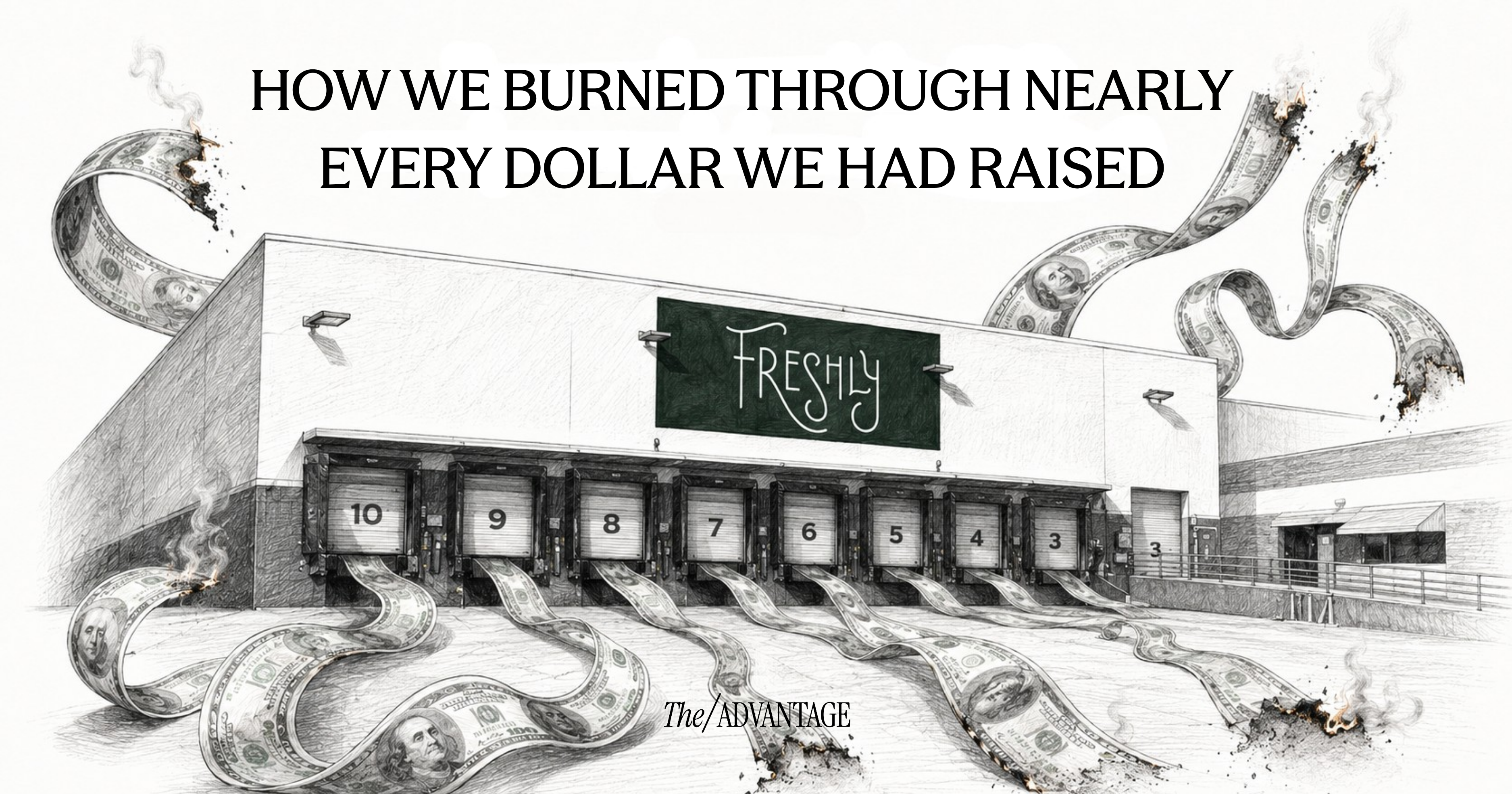
But here is the part that still makes me laugh: for a brief moment, we had actually spent almost all of our Series A money. The wire went out to Kraft, and our bank account was essentially empty. The recapitalization came fast, our buyer wired us the funds quickly and the transaction closed cleanly, but for that window of time, we had burned through nearly every dollar we had raised. |
|
04 — WHAT WE WALKED AWAY WITH
We sold it for exactly what we owed. The terms were the prize.
We sold it for exactly what we owed Kraft, $7 million. We closed on the building in September of 2015. |
|
05 — THE PAYOFF
From the Kraft building to the Freshly building
When we sold Freshly in October of 2020, that facility was producing $330 million in revenue. We used all of our Series A money to buy one building — and then got it all back.
|
|
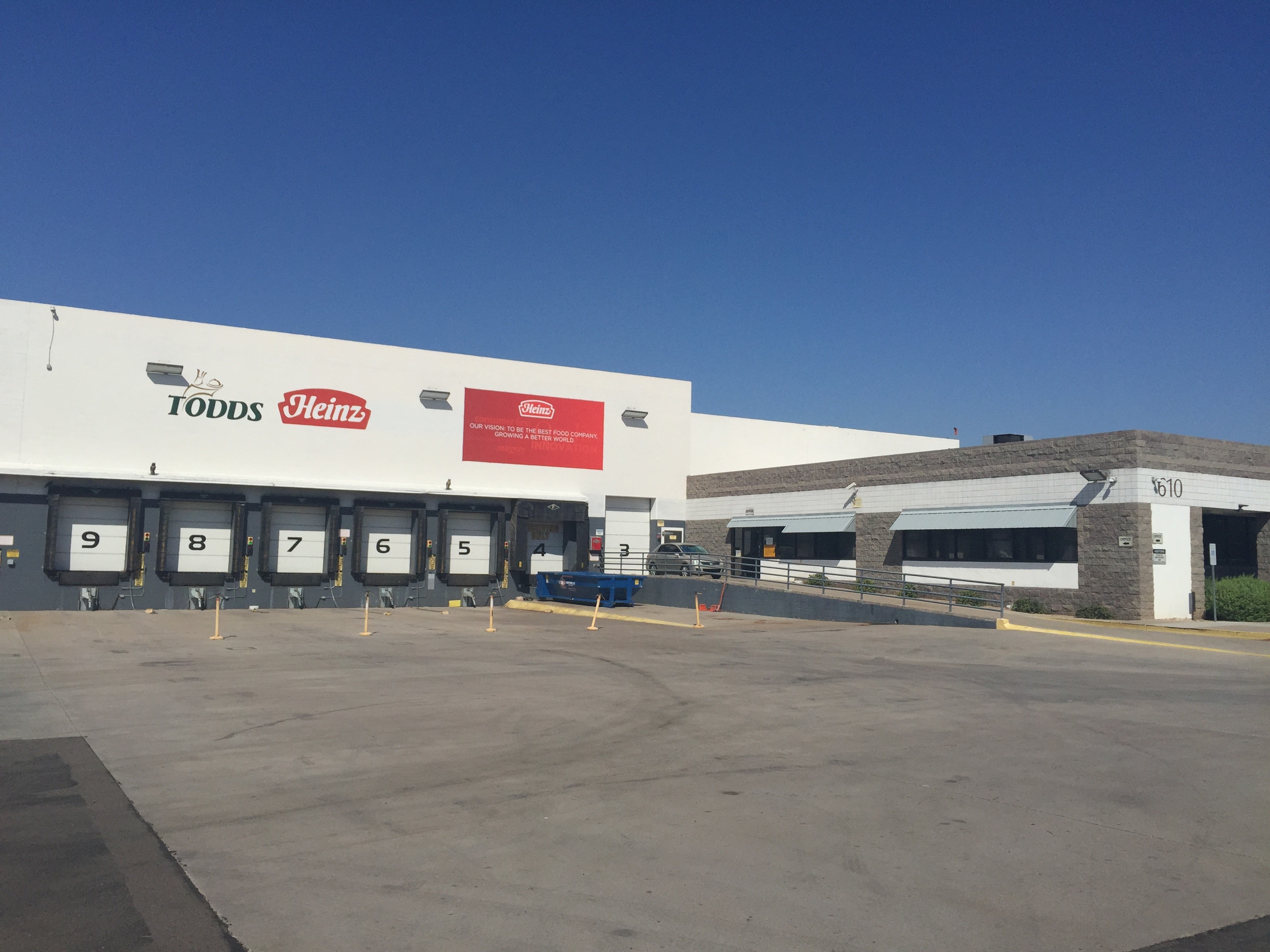
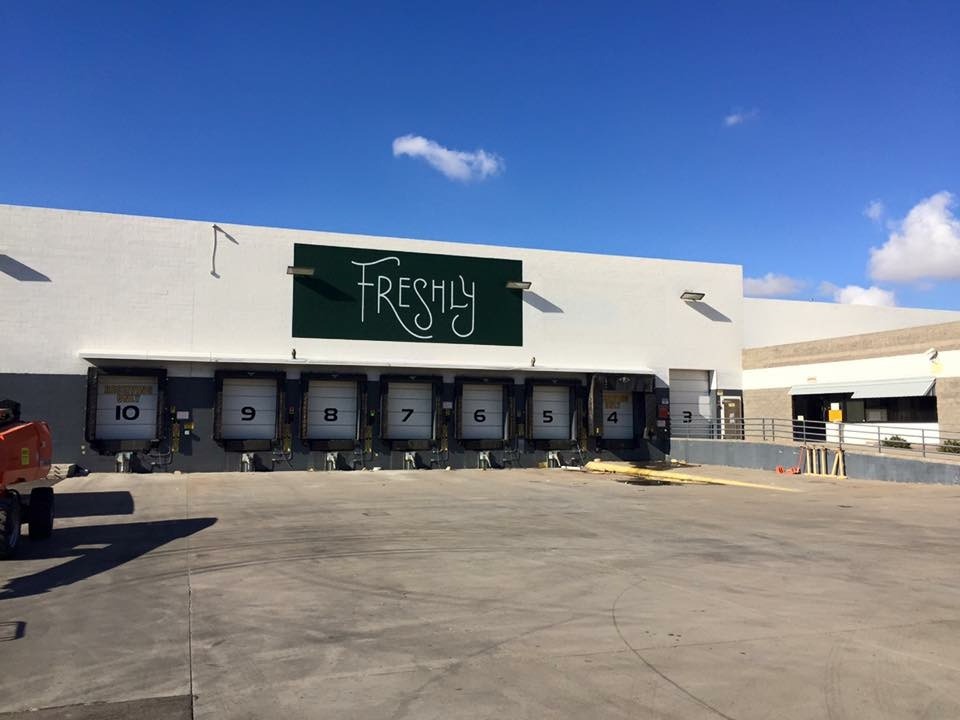
The photos above show the before and after, from the Kraft building to the Freshly building. I think it is a great example of being smart, frugal, and aggressive in a startup. You have to be innovative in how you solve problems. We used the power of our balance sheet to secure a facility we had no business being able to afford. The real estate investor made a lot of money too. At the time we were not great tenant credit, we were a startup, but when Nestlé acquired us the value of that building went up significantly. |
|
A good story on what innovative thinking can unlock. I share one of these every week — the moves, the mistakes, and the thinking behind building Freshly, Petfolk, and Cutting Horse. |
Keep reading
Get the rest of the story.
It's free. Drop your email to finish reading — plus a new story every week from building Freshly, Petfolk, and Cutting Horse.
Don't miss the next one
Get The Advantage every week
Frameworks, lessons, and real stories from building companies — straight to your inbox.