Episode 1453 min
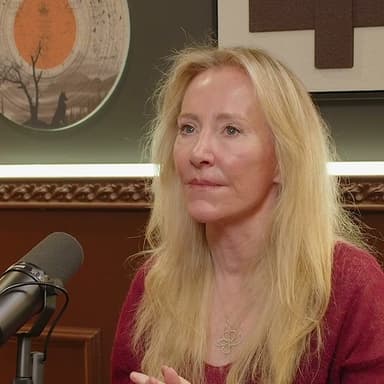
Deborah Benton
Founder and Managing Partner, Willow Growth Partners
Nobody wanted to invest in Coterie
She backed a diaper brand nobody else would. Coterie and Goodles each returned her fund, and she explains why she tells founders to raise less.
Where to watch and listen
- Exits, Coterie and Goodles, that each returned Willow's fund, by her account
- 2
- Willow's usual first institutional check
- $3–5M
- An exit she calls beautiful, if the company was capitalized correctly
- $300M
Follow Deborah Benton
“I just don't think you can build businesses with a hope and a prayer anymore.”
Nobody wanted to invest in Coterie. It was a diaper, a paper product, in a category owned by Huggies and Pampers, and Pampers had just launched its own premium line. Deborah Benton backed it anyway, and in 2025 Mammoth Brands, the company behind Harry's, agreed to buy it. Goodles, another early bet, agreed to sell to Barilla in 2026. By her account, each one returned Willow Growth Partners' fund. She got to that thesis by living the other one: eToys, ShoeDazzle and Nasty Gal, three consumer brands funded like tech companies.
She fell in love with consumer at eToys in Los Angeles, which came out of Bill Gross's Idealab, went public, and then met March 2000. Her lesson from it was arithmetic: every incremental order lost more money, and there was no path to changing that. A stretch at Teleflora running a $100 million P&L taught her how a mature business makes money. Then she went back to early stage as COO of ShoeDazzle, with Brian Lee and Kim Kardashian, backed by Lightspeed, Polaris and Andreessen Horowitz.
At Nasty Gal she was president for Sophia Amoruso, and the company raised from Index at what she calls a ridiculous multiple of revenue. Later it had an acquisition offer she thought was an amazing valuation, flat to what it had raised two years earlier. The investors needed more than their money back. Mike's version of the lesson is that a fundraise feels like success but is an obligation; hers is that founders who overprice an early party round will have it fixed for them later, and it is better to fix it early.
So Willow is built backwards from how consumer brands actually exit. It writes $3 to $5 million first institutional checks into businesses doing roughly $2 to $5 million in trailing revenue, wants one more round after it of perhaps $8 to $20 million, and is happy with a $300 million sale. She does not expect profit on day one, but she does expect founders to know their product margin, gross margin and contribution margins before EBITDA, and she still meets founders running negative contribution before they have paid to acquire a customer. Mike, who runs a fund with the same thesis after Freshly, compares notes throughout.
The last stretch is practical. Get a warm introduction if you can; she also answers LinkedIn, and one founder who chased her for six months is now in the portfolio. Mike's tip for a cold email is to send it to a junior associate, whose job is sourcing, and Deborah says she never discounts what her Gen Z team brings in. Silence from a small fund is often capacity, not a no. And she closes on what she saw in Coterie's founder, Frank Yu, when nobody else did.
What the conversation covers
A raise is an obligation
Nasty Gal raised at a ridiculous multiple, then got an offer flat to that round two years later.
Consumer is not tech
Tech VCs swing for the fences. Work back from how consumer brands actually exit.
One more round, then stop
Raise enough to reach the next milestone, then one more round of perhaps $8 to $20 million.
Margin before EBITDA
Losing money early is fine. Negative contribution before marketing is a very hard hill to climb.
Getting a reply
Warm intros first, LinkedIn second, and the junior associate who is paid to source.
Timestamps
- 00:01:44The mistakes of DTC 1.0
- 00:02:39Every eToys order lost money
- 00:04:48ShoeDazzle with Kim Kardashian
- 00:05:51Nasty Gal's ridiculous multiple
- 00:06:50A raise is an obligation
- 00:10:42Consumer is not tech
- 00:11:05A $300M exit is beautiful
- 00:14:06Flat to the last round
- 00:16:08One more round, then stop
- 00:18:40No win without the founder
- 00:19:05Angel investing is Vegas money
- 00:25:27Carve out room for angels
- 00:26:46Why not call it VC
- 00:30:19$3M to $5M first checks
- 00:33:02Don't pitch a fake vision
- 00:35:39AI cuts costs, raises competition
- 00:38:41The gold standard metric
- 00:39:44Contribution margin before EBITDA
- 00:40:30How to get a reply
- 00:43:39Cold email the junior partner
- 00:45:12Why investors go quiet
- 00:47:41Nobody wanted Coterie
- 00:49:58A tool for warm intros
- 00:51:59Final thoughts
Mentioned in this episode
The firm
- Willow Growth Partners — Deborah and Amanda Schutzbank's early-stage consumer fund, founded in 2020
Show notes
Nobody wanted to invest in Coterie. It was a diaper, a paper product, in a category owned by Huggies and Pampers. Deborah Benton backed it anyway, and in 2025 Mammoth Brands, the company behind Harry's, agreed to buy it. By her account, Coterie and Goodles, which Barilla agreed to buy this year, each returned Willow Growth Partners' fund. She learned what not to do first: she helped take eToys public before the 2000 crash, was COO of ShoeDazzle alongside Kim Kardashian, and was president of Nasty Gal when it raised from Index at what she calls a ridiculous multiple of revenue.
This episode is presented by Proppel. Hire A-player marketing and ops talent from the US and LATAM, and get 10% off your first hire: https://www.weareproppel.com/theadvantage
Follow Mike on Instagram: @mikewystrach — https://instagram.com/mikewystrach
In this episode:
◼ Why a fundraise feels like success but works like a loan
◼ Why a $300 million acquisition can be a great outcome if the company was capitalized correctly
◼ Why angel investing is Vegas money: no information rights, and only the wins get told
◼ Why she watches contribution margin before EBITDA
◼ Why a cold email to a junior associate beats one to a partner
⏱️ CHAPTERS
0:00 Two Exits Returned Her Fund
1:44 The Mistakes of DTC 1.0
2:39 Every eToys Order Lost Money
4:48 ShoeDazzle With Kim Kardashian
5:51 Nasty Gal's Ridiculous Multiple
6:50 A Raise Is an Obligation
10:42 Consumer Is Not Tech
11:05 A $300M Exit Is Beautiful
14:06 Flat to the Last Round
16:08 One More Round, Then Stop
18:40 No Win Without the Founder
19:05 Angel Investing Is Vegas Money
25:27 Carve Out Room for Angels
26:46 Why Not Call It VC
30:19 $3M to $5M First Checks
33:02 Don't Pitch a Fake Vision
35:39 AI Cuts Costs, Raises Competition
38:41 The Gold Standard Metric
39:44 Contribution Margin Before EBITDA
40:30 How to Get a Reply
43:39 Cold Email the Junior Partner
45:12 Why Investors Go Quiet
47:41 Nobody Wanted Coterie
49:58 A Tool for Warm Intros
51:59 Final Thoughts and Wrap Up
🔗 DEBORAH BENTON
Willow Growth Partners → https://willowgrowth.com
Metal (the warm-intro tool Mike recommends) → https://www.metal.so
🎙️ THE ADVANTAGE
All episodes → https://mikewystrach.com/podcast
⚡ PRESENTED BY PROPPEL
Proppel places marketing and operations talent from the US, LATAM and beyond, from video editors, designers and media buyers to managers, directors and VPs. It's performance-based: a one-off fee only when you hire, no retainers, and a three-month guarantee on every hire. Get 10% off your first hire → https://www.weareproppel.com/theadvantage
Full transcript
Mike Wystrach in conversation with Deborah Benton. Lightly formatted from the episode audio.
ep14 deborah benton: I started angel investing and I did that for six years. And then you guys have recently had a few really big exits. I happen to only invest in areas where I had operated for 20 plus years. What do you think the biggest huge mistakes you made as an investor switching over to angel first? I don't expect businesses to be profitable. From day one. I really don't. If the founder is not successful, we are not successful. And consumer, what do think the gold standard metric is right now? It depends on your margin profile. It depends on truly your repeat profile. We don't want you to raise that much. A fundraise may feel like success, but it's actually an obligation. We want you to raise enough to fully capitalize the business and get to your next milestone. And after us, one more round. Just one more round. What do you think you guys got right? But also what do you think the founders got right in those? I just don't think you can build Businesses with a hope and a prayer anymore. I just really don't. I'm really excited today. Deborah, welcome to the podcast. Thank you so much. It's great to be here. Deborah and I share a lot of similar backgrounds, similar things we're doing today, but operator to investor. you became an investor before I did, or at least a formal official investor before I did. And it's just really fun for me because I hear you guys all the time. We haven't met before. I know, I know. I've been looking forward to it ever since ever since I saw your fund get announced. And obviously, I've heard of your name through Freshly and things like that. So I'm thrilled to be here. Yeah, so really excited. So give us a little bit, just a brief background of you came up through an operator, DGC 1.0, kind of the early days, a lot of amazing companies you worked with. I'm sure lots of like goods and bads that you learned along that journey. But give us a little bit of like the preview that became that like what what created the Deborah of today that was the operator that decided, okay, now I'm gonna go to investing. Yeah, yeah. It's I mean it really was through candidly. All the mistakes I made, in that DDC 1.0 world in the consumer world, raising from the wrong folks super, super smart tech investors that really didn't understand consumer, but the the whole ecosystem didn't really understand consumer. so let me take you a little bit back. Finished business school, did a couple of years in management consulting, really hated it, but it was great training. followed one of my clients to eToys. I don't know if you remember eToys, it was like truly the 1.0. that's we're gonna date ourselves a little here. I know, I know. I but I think of it as wisdom I've gained. Yeah. I turn it that way. Let me pause here for a second. The show is brought to you by Propel. They find brands like yours exceptional marketing and operational talent in the US, Latinam markets, and beyond. For now, the links are in the show notes, and all of our listeners get 10% off your first hire. Okay, let's get into it. that was one of the most pivotal roles of my continues to be of my entire life. Just super, super smart people. Really exciting. It's where I truly fell in love with consumer. we was that out of San Francisco or where was that? That was in Los Angeles. Okay. Yes, yes. So eToys was based in Los Los Angeles. Toby Lang, who was an incredibly bright guy, had come from Disney Strat and he had brought a bunch of really smart people together, had this idea of selling toys online, and you know, it was a great idea, but nobody really understood cost back then. And if you remember, we didn't have AWS and we didn't have Shopify. And when was that? Give it time time. That was in he started EToys, I believe he started it in ninety six. So that was like right. That was the perfect internet, that internet pre-internet bubble like it a hundred percent. It came out of Idea Lab, which if you remember, you know, Idea Lab's a based in Pasadena and Bill Gross had all of these great company ideas. So it was an amazing, amazing, amazing time. but we learned fundamentally the economics just didn't work. Every incremental order that we shipped, we lost more, we lost more money, and there was no path to changing that. I was, you know, I was kind of in my mid-20s at the time, and it was just an extraordinary time working with these really bright people. I knew we were kind of at the forefront. I loved consumer. we took the company public, March of 2000 hit Day of Reckoning, and it's like Whoops, a daisy. but still, I still go back. That group of people, extraordinary. I still keep in touch with them. It's been fascinating to see where their careers have gone. but I was locked in at that point. I'm like, consumer is it? I know, I loved the data that we could get. And you and remember, back then it was far more rudimentary than it is today. at that time, kind of a lot of the VC capital dried up in Los Angeles. So I ended up joining Teleflora on the other side, very mature company, printing cash, very successful. but it gave me very strong operating chops. I managed a hundred million dollar PL on the ops and sales side. and I did that for a number of years. And so I learned, that was more about dialing, turning the dials and and figuring out how to really run a business. And and even in a mature business, how do you get more profitable? How do you get more efficiencies? But I missed the early stage world. So kind of when the VC money came back in, I joined Brian Lee at Shoedazzle with Kim Kardashian, and this is back, you know, she's kind of the OG influencer. before that word even meant anything, before that word was even in our vernacular. and I was the COO there. We raised from tremendous VCs. We had Lightspeed, we had Polaris, we had Andreessen, you know, these are kind of the who's who. But you know, the way that tech VCs invest is on a tech VC portfolio construction and consumer is just very different. And I think back then the thinking was This is an online business. This is a digital business. So it's tech. It's not. That's a channel. That's really a channel. And so it, the economics just really never worked out. And I'm sure you you saw a lot of those companies, mostly I'd say New York, San Francisco, and LA were really great brands, but the economics were never going to work. so learned a lot there. Sophia Amaroso, who was the founder of Nasty Gal reached out to me. She had just moved her business down to LA and she was really looking for some support. And I actually had no desire to leave, but I I really, you know, fell in love with what she was doing. She was creating this really compelling brand online. I ended up joining her as president. We raised a ton of money at a crazy high valuation from Index. and this is back before I even really understood. How they were thinking about it and what that meant to raise at that valuation. what did that actually mean? Well, what were those valuations? I I mean we raised, I don't know if I can share that, but we it was at a a ridiculous multiple of revenue. Okay. ridiculous. Meaning if we were, you know, these VCs are not private equity. Funds that are underwriting to two to three or even four times. They're looking for a significant multiple. And I think that's I mean, I harp on that a lot, but I I'm sure I mean it sounds like you're you have a lot of the learning lessons I've lost, which is like a fundraise may feel like success, but it's actually an obligation. my goodness. It's it's very I always try to tell founders is like no one leaves the bank with a loan and is like, Yes, yeah, I've got this loan. And but I'm like, that's what it effectively is. That's exactly what it is. And and really like getting huge crazy multiples, it feels good and I know it's good for the ego, but then I think you've only if you've gone through it, you're like, yeah, that actually leads to a lot of challenges. It's so painful. It's and I and you would think at this at this day and age that we would have learned our lesson. And and I think we have a lot. And we certainly, you know, it's a it's a core thesis for us at Willow, but you know, there's always like new money coming in and These great exits that happen in consumer and so that attracts a lot of capital. And I know this is easy and this is two investors talking, but I always tell first-time founders, I'm like, dilution, like over worrying about dilution early is I think one of the biggest mistakes young investor young founders make. And I think, you know, I see and I'd loved your thoughts on it, but I try to advise founders away from these party safe rounds with unsophisticated investors at big multiples. that are done at a a a a convert that the convert then is viewed as okay, that is the price that's essentially pricing it, like s signaling that price. Well, and I think the problem is is that that's a signal, but it's a fake signal. Of course and I just try to really talk through founders of like getting great people around the table at realistic underwritten valuations while may feel more expensive ultimately leads to better outcomes. 100% and these kind of like parabolic raises, you see it so often in consumer I think that's always why I tell people scaling Adams is very different than scaling bits. Where, you know, the argument could be is like didn't matter what you paid on the Series A for anthropic. It doesn't it's just all that you got in. But like consumer, you're not gonna get a trillion dollar business out of consumer in a five year journey. It's just not it's it it's impossible. It's just not gonna happen. Yeah, it's not gonna happen. I I am completely aligned with you. I'm you know, what I tell founders is it's going if you're successful. It's going to get fixed. It's your choice when it gets fixed. And it's better the earlier you do it. So if you go out and you raise a party round and it it's look, I think it's wonderful. Angels, by the way, small family offices, they can be, they can be great strategic investors. They really can. They're not doing this for their living. So understanding what the path is going to be, how to value, what the How far that cash is gonna take you, where you're going to be, and what is that going to justify in the next round, kind of thing. That's not their job. They don't do that. so I I think those rounds are difficult for me if they have been done at an irrational valuation. And I am seeing it quite a bit. I am seeing it quite a bit. And it's, you know, look, as early stage investors, we already know it's gonna be a very tough road. We already know it's gonna be messy and difficult. Any added friction of a down round or a f even a flat round or the early investors being unhappy or the founder getting overly deluded and then we've got to figure out how to get their ownership back. It just adds to the friction. What do you think when you if you were gonna back and talk to yourself at and give yourself advice, like what do you think the lot like the we all have d kind of delusions or lies that we tell ourselves at the moment. And hindsight is is obviously the great, you know, time is Is the great coach and mentor of all things. But if you were gonna think, what what do you think you were telling yourself at the time of like taking this money? Like what what do you think like you would have told yourself separately, like different, like this is how, this is why you're getting this wrong? Back in the nasty owl shoot as all days, yeah. I mean, look, there was no alternative, right? So there was n we a as an ecosystem, we had not yet learned what was going what was going to happen. If I could tell myself anything, it would be. This is not a tech company. Take a look at how consumer brands have exited and then work your way back from that. Like just work your way back. There, there, you know, look, there could there could occasionally be. ASAP, I think, had a three billion, you know, Medicaid had an amazing. There could be, but anything north of a billion, the air gets very thin. Yeah. These companies should not go public, they should get acquired, and you can have a beautiful acquisition at $300 million. Beautiful. If it's been capitalized correctly. Eighty percent of all consumer acquisitions happen under 250 million. So that's just the reality of like it's very and then the percent that happens above a billion, and then the percent that happens under over a billion within ten years, which is usually that sweet spot for any any venture firm's gonna start getting itchy at ten years. it's just it's very rare. It's very rare. And I think obviously you read about them a lot because that's what the press writes about. I always tell people like what you didn't read about, it's a seventy million dollar exit, this eighty million. But if you do that well, you as a founder are leaving with 40 million. And and and and then you can go on and do the next thing. I think what one of the it's interesting because always like to like I think we always think we're smarter than we are at in I well hindsight helps with that. But when we went out with Petfolk, I was a second time founder, had a tremendous amount of success. money came a lot easier, which meant valuations were easier. And so, you know, I I from my standpoint, let the one thing I I constantly remind and I I say even to myself, is like more money means you're gonna create you're ultimately are gonna do more dumb things because that's just that's human nature. And I look back at like early days of petfolk and like hindsight, it would have like, God, if we would have did we could probably raise Yeah, I think in the net scope of things, twenty million less. And we would have just done less idiotic, stupid things and not. You're forced to make trade off decisions. And you're you ultimately you tell this big story, so then you have to go meet. I think like the the f flywheel effect that founders get caught in is they okay, they're going to raise VC money. So what do they they feel that they're gonna go talk to a VC, which is why I think you're the same. We don't call ourselves VCs. But you then say, okay, well, I have to show them a plan that shows us getting to where we could sell this business for a billion dollars. Absolutely. And it's gonna be sold to strategic. And so and then the Or worse go public. Or yeah. And then but the VC invests in that plan. And it in in the fairness of the VC, you're telling them this is what I want to do. So they invest in that. So then they push you to do that. So then and it's this flywheel where then now you have to go raise the Series B and now you have to raise it another aggressive valuation. And then all of a sudden you take these great consumer brands that could have been really good consumer brands, but they just ultimately fizzled and died. Absolutely. And it's a fly it's like an ecosystem that's self fulfilling. When you got in because so w transitioning, you leave you leave Nasty operating Nasty Allen. You Okay, I now I'm I'm I'm done being on operator for a little while and I'm gonna go and start investing. And your original investment was seed investing, which you were writing right? Or I mean yeah. So I started investing. I had done well with some of my equity and some of my operating roles. I had managed to to have some liquidity events and so I started angel investing and I did that for six years. and it really was with a thesis of I've learned a lot of what not to do. I really these beautiful brands. Nasty Gal was an incredible brand. We actually, and and this is all public knowledge, we had an offer from an incredible retailer brand to acquire. It happened to be at what I thought was an amazing valuation, but flat to what we had raised two years earlier. So going back to what you were just talking about, like when you get w when you take on money, you have to understand the dynamics at play that your financial partner, what will be success for them. So when we're talking to partners now, we are very clear. This is how a fund works. We have obligations. We have raised money. This is what we've told our investors. And so for us to be successful, this is what we need. Like we literally take people through it. It's it's an education process. And I think this is what people neglect. And I think now being on the other side, which you now have that wisdom is like And here's the way it works. We raise capital from people who work for pensions, who work for endowments, who work for or investing their own money. So everyone has a boss and everyone is looking for a return. And I think that's where people need to understand that often a VC or an investor isn't a good or bad person, or they they can be good or bad people. But the econom the the incentives behind them and what they've told ultimately means that, like to your point, the investor who invests in that business. couldn't in good faith go back to their investors and say, yeah, our money just sat here flat for two years and now we're just gonna, we're gonna sell this business and we're not gonna make any money for our money there. They're they're saying, no, no, no, let's keep going. Let's the, you the next guy. Because that's what they're the there is those in d those VCs are incentivized to swing for the fences. You know, returning their money is a colossal waste of time. Two times, three times, they don't really care, right? Their their model is they they would rather, even on a business that is really struggling, swing for the fences on the chance, the one in a hundred chance that things could turn around and it could become something really big. We absolutely do not invest that way. And I just don't think the consumer brands world operates that way. If you start truly from this is how these brands are exiting, work your way back. And now, you know, when I talk to founders, I'm like, look, this is how we're thinking about it. We don't want you to raise that much. We want you to raise enough to c fully capitalize the business and get to your next milestone. And after us, One more round. Just one more round. And that could be as low as an maybe an eight million round. Maybe it goes up to twenty million with maybe a little bit of secondary. Some of these really big consumer funds now need to write a bigger check, which is causing a little bit of havoc. but that gets you to this place where everybody will still do really, really well and be super happy if it's 300. Doesn't mean we have to exit, but it buys us optionality. Well, and this is what I also we and again, we speak the same book, so it's good good to hear that we're there's others and Is also the other thing that I think founders need to realize is that in the consumer space, th there's it doesn't have to be black or white on an exit. You can you can sell into now these growth funds need to write fifty, sixty million dollar checks. So there's secondary opportunity. And you can you can still build these really big companies, but it can now you can do it over the course of fifteen, twenty, thirty years, which is really weird. De risk it along the way. And then de risk it, get money out, and then trade investors. And we are very, you know, very transparent. It's like, look. we want our job is we are the training wheels. Our job is to get you, and but we're not necessarily training wheels because but we're like your first bike, right? We're the first two bikes. And we want to get you to another investor who probably is going to bring in other values at that point. And then at that point, you're like, you know, hey, you guys were great. we may stay along for a little bit of the ride. We may but I do think it's it's it's interesting in consumer is like the goal is is is at every round, and I constantly say this to investors is or to founders is like the goal for you as a founder is is to make sure everyone on your cap table makes money. Absolutely. Because then life is easy. If everyone is making money, life is easy. The harder the hardest part is when the last guy's upside down and then now all of a sudden your manager And they often have a blocking right, right? So you get structure in these term sheets where it could actually be a great exit for ninety percent of people on the cap table, but your last investor in came in and they're either going to lose or or you know they've probably they've got pref so maybe they get their money back, but it's still not a good use of their capital. So it gets very complicated, and I I try to really encourage founders, just take some time to really understand, understand the motivations, understand what each individual fund or person or group or series, how they're going to be motivated and how they're going to respond at these different kinds of inflection points of the business. The more alignment you can get, the easier it's going to be. I also am very protective of founder dilution and founder ownership. I There's n in there's no world where I'm successful or Will is successful and the founder's not. That world does not exist. If the founder is not successful, we are not successful. Like this is I really want to build around the board table, around the shareholder table where everybody wins. And I truly think that that's possible. I agree. I I couldn't agree more. Where do you feel? So then you go into angel investing. What what was like the like What you think the biggest you mistakes you made as an investor? Switching over to to Angel for all the people that are angel investors, I'm sure a lot of people are looking at consumer thinking. What was the one or two mistakes that you would advise people hey, this is what every early investor makes? Yeah. angel investing is inherently super risky for sure. I happen to only invest in areas where I had operated for 20 plus years. So I knew I actually you know, I don't invest, I don't angel invest, I don't angel invest at all now. It's it's in my LPA, I can't, but I don't I never invested in tech companies. I don't know, I don't know how to assess tech companies. I really don't. I know how to use it. I can understand maybe the business case for some of my brands who might use it. And we dabbled a little bit in fund one. We did a few investments like those because our our our brands happen to be using it. We're not doing it in fund two because candidly, we also want to be very helpful. And I couldn't really be helpful. I could introduce them, could help on their sales lead, but there are better investors for tech companies. We do not do tech companies now. even as an angel investor, I would say, you I like to just go blindly out is too high risk. I just would I honestly I just wouldn't do it. I you know, I would invest 25 grand, 50 grand if you are really close to the founder and you just genuinely want to support that founder, you believe in it. And you don't mind losing all of it. Yeah. That's how I I always tell people Vegas money. Yeah. what do you what's the maximum? You go to Vegas and you lose, you'd be okay with it. When you're okay with it. Yeah. That's how I would approach it. So I started off when he sold freshly, I was like, you I was getting approached everywhere and I had now for the first time capital that I can invest. And so I started investing. And then pretty soon I realized that like I was a tourist and the problem was is it wasn't my full-time job. Yeah. And so, and I do think one of the things that all founders do a really good job of today is like it's really easy to make a business look sexy. And it used to actually be pretty hard, like to to make really pretty decks and great things and and tell a great story. And so what I what I found with investors in investing my own capital, I can say, is that like the dumbest mistakes I made. is like these party rounds, these FOMO, these but I didn't really understand the industry at all. I didn't spend a lot of time. I didn't understand the competitive dynamics. I didn't understand distribution, where where these things. And so that's where like when when we started now, I I had a I had two portfolios. I had one that was kind of like that FOMO that was doing relatively bad. And then one that was like our deep diligence, had tremendous domain, really spent a lot of time, took concentrated positions. And that portfolio was killing it. And so I just I okay like always tell people it was like, I always say Vegas money. Like whatever, if you're okay and like and then the other thing people I don't think a lot of angels understand is like you often don't get information rights. You don't get it. So you literally have no rights. You're blind. You're blind. Yeah. And it literally is a lottery check, which when it works, it's great. You hear the story about the guy who put to I was at a conference, a guy put $25,000 into the Uber seed round. A buddy of his Great. This is a great story. I'll give it real. Buddy of his, I was at this conference, a buddy of his calls him. He went to Stanford with his buddy. He's living in London. Calls him, says, Hey, I got twenty five thousand into this, into this company. I don't want to do the whole thing. Well, you do 12,000 with me. So he's like, sure, I'll do it. Like whatever, writes a check. it ends up being Uber. He ends up making like 70 million off the investment. I love it. I love That's but that's like a lottery ticket. It's a lottery ticket. Like it's it it's great. I look, I think angels play a really important role. the six years I was angel investing, I was doing it full-time, meaning I was something full-time is and my my co-founder at Freshly, Carter Comps. I think so. So Carter does that now as a as a he he he assembles groups and he more runs a syndicate, but it's full-time what he does. And similar to you, it's like if you're full-time, that's what you're doing. Your deal flow is there, people know you, you're seeing a lot. I also did a lot of I took a lot of advisory roles and it took a lot of board roles. So even though as you know, my angel check, $50,000 check would never have warranted information rights, I sat on the board, so I got to see it. but for the most part, I think your Vegas money analogy is pretty true. Like you just it's fun, like don't get me wrong, it can be fun, but I it it's not for everybody. Yeah. And I would what I do think are really good are some of these syndicates that get put together. by people that are in the know, they know what they're doing, they can source, they can vet, they can diligence. that's fun. Then you still get, a little bit of exposure and it and it is fun and you can do it deal by deal. You don't go into a blind pool. And that's a and so my again, my giving him a small plug, but Carter, he well, he works across all sorts of different sizes of of deals, but he does a lot in but it's a syndicate. He gets an out and spends a lot of time and he really puts his energy into those. And I think that Is a smarter way of playing. I think so. I think so. It also gives you the diversification. It gives diversification. It also is like someone's worrying. Like let me pause here for a second and introduce you to our title sponsor, Propel. Every business I've built has had a huge, huge, huge piece with international talent. And as we started building the advantage, we wanted to bring in international talent focused around media, podcasts, and we started doing a lot of research and we came across Propel. And we were really excited first and foremost to use them for us. And we later reach out as a sponsor. Here's the best part it's all performance based. You only pay one off fee once you actually hire someone. That means no retainers, no ongoing costs, plus every hire comes with a three month guarantee. I think bringing on international talent is really hard, really rewarding. As we all know, bringing a talent onto your team is the most important part about building a business. And with Propel, I can speak for ourselves. They have been a huge part of our ability to recruit great talent to our team. Every advantage listener gets 10% off their first hire. For more information, check out the show notes. I I just think like so much of this is like, you know, it is there is a degree of like a little rinse and repeat as you've been in this. Is like if you've played in this arena for a while, you can teach and and get better performance. I do think managers in the early days, angels in the early days who really add value, who can who can be that advisor operator. Over time they earn their their earn their fees because they're like they're they're ultimately creating a higher probability of success and and credibility and introductions and their Rolodex and their network. I those truly, I mean, even now when we lead around, if we're leading around with three or four million dollars, we try to carve out you know, we work with the founder, we'll carve out two hundred and fifty, five hundred thousand dollars to bring in some of these folks. It could be an influencer, it could be talent, but it could also be just really credible people in the field because Their Rolodex is worth gold, their network, who their advice, many of them have either retired or they're not working full-time. They're actually really interested in being part of it. So they're wonderful. Like rounding out the group of investors in that first round, in particular that first round, kind of in the early days, can be great. I I just think I think there's a lot of folks, angel investing kind of gets this glamorous appeal. and in it it's you can lose a lot of money. I always say like angel investing is very much like Vegas is you only hear about the winning trips, right? No one comes crazy winnings. No one comes back and tells you like I lost fifty thousand, I was way over my skis. They tell you about the like, my god, I wanted this hot hand. The Uber story. Exactly. Yeah. For every Uber story, there's a thousand zeros. You at least get a write off. I do love the QSBS write-off on a lot of these that you get some good write off. So And I'm a huge fan of angels. I'm a huge fan of friends and family supporting early investors. Me too. and I I think it's great. So I'm not I'm not bashing it at I just You just gotta go in eyes wide open. So your so your evolution is like in you you were in this longer than me, but very similar evolution and and we both ended up in the same idea, the same category. I think we both call ourselves emerging growth. Yes. Which is this new category. This great thing about life is you realize you can just create subcategories. I keep trying to like we we ca I came up with it in nineteen because when we were coming up with the name of the firm I definitely did not want VC. It was not, I was really trying to. And and by the way, nothing against VC whatsoever. It's just a very different category. It's different portfolio construction. It's a very, different returns profile. so I was talking to Amanda, who is my partner, my amazing partner, and I'm like, I I she had she had managed to get the domain, you know, Willow.vc. And I'm like, no, like absolutely not. And we're like, okay, it's not growth. we are willow growth partners. Growth is really the next, quite a bit the next stage. and so we got that domain, and then we had coined it, we had we were using it, so I couldn't really change at the time. But I'm like, the way we are defining ourselves. At that time, Prelude had been out for a few years. And I had known Netta back in her Catterton days and when she was starting this, and she was truly to me kind of this emergence, you know, VMG was around, but they had raised their funds, were so much bigger at this point. So she was carving out this area that was. of this early growth and they were prelude growth partners. And I was like, okay, what can we be? Like what and we're I'm like, it's not early growth. Like that, that because that's been used. So I came up with this this emerging and I just keep trying to, I don't know if it's taken like well, I I don't know where we we were definitely after you. So we it knowing that branding, but it definitely so it's the same thing. We had the exact same thing where we had the conversation. We actually had cutting horse dot VC partially because dot com wasn't available. We did get dot com now. But similar thing, we were like, should we call cutting hard fund? Because part of this is like, how do you communicate to obviously LPs, which are investors in funds, but also how do you communicate to founders? Because that's which is more of the important thing because they're they're thinking I need to go raise from venture capital. And so if you say you're growth capital, that you know, founders that doesn't really mean anything, but for everyone else it means bigger checks. Right. And and so yeah, so we've tried to use emerging growth in there. I think it's a good I think it accurately defines it. I do. It's it's a new company. We we really try to do post launch. We have done a couple of pre-launch, but it's that it's just that first inflection point of of emerging growth. And you know what I think is and I'd love your thoughts on this, but what I've said is it's more of a mindset than it is necessarily a stage or growth. Because people will be like, Well that pre seed, seed, series A? Right. And I've said Which are very tech VC terms. It's very tech VC. So do you invest in the A and the B? I said, Well so one, a lot of the times we We want to be the first institutional capital. so that generally would be a series A, but sometimes it'd be earlier, sometimes it could be later, where it'd be a series B just on revenue basis. we'd like to be in an ideal world where we're first institutional, last institutional, and that's like the perfect canary scenario. but we're not really trying to get an A, B, C, D, we're not trying to get the alphabet soup that you often see in venture capital and tech. And so I said like we underwrite like private equity. We price we think private equity and and we hope to aim for returns that look between private equity and venture and we're a longer term and we don't do majority. Right. So we're but I think that's very similar in our mindset. We're we're we're we're trying to get our our founders off a roller coaster, the VC roller coaster, which is every eighteen months, let's go raise again. and I've been on it. And and certainly I think one of the interesting things, and I'd love your thoughts. Well sir, first does that resonate? Is that how you go to Absolutely. Yeah. we are we we use the term seed only because everybody knows it. so we still use that we also say first institutional round. Our rounds are usually three to five million. So it's it's what I don't even know where tech is now because it's so crazy. tech is now that's like a that's a pre pre seed. Yeah, exactly. Now like tech is like pre seed Pr pre-preceed, deck-only seed. I know, I know. I can't I honestly can't even keep up with it. But generally we are looking at businesses that are usually doing kind of two to five in trailing twelve. We have flexibility, we have gone pre-launch and we've gone a little bit later. But it's usually they they have that initial, it might be twelve to twenty-four months. They have initial operating data that we can take a look at, we can see what the repeat is, we can look at an early look at margins, knowing that they're going to improve ideally with scale. And we are trying to we prefer to lead and take the board seat, but we don't have to. There's only there's two GPs, so we are happy to co-invest, we're happy to co-lead, we're happy to participate. If there was, as long as the investor is like how you think and you're a consumer investor, and and you're doing it rashly, and we have very good alignment, because that discord at the board level is really unpleasant and it can actually be super destructive to a company. so yeah, we'll that first round three to five, and then you know, we'll negotiate pro rata rights. We want to stay involved, but we think that there's actually a better series A, what I'm calling or early growth or growth that's gonna come in and put maybe 10 to 20. and they take that second preferred seat and then Ideally, that's it. We work collaboratively together and we've already we've already talked about what we think the path is. We don't have a crystal ball, we don't know, but just getting that early alignment and then we work together to really help get to a great exit for everyone. Yeah, and I do I for the founders out there listening. I think like I've I've tell people all the time in starting the business is there's no right or wr wrong way to start a business. And there's no right or wrong way to dream about that business. There are different risks. So the bigger you want to get, the faster you want to get, especially in consumer, you are just taking higher risk. as founders you are at the bottom of the cap table. So everyone gets paid before you. and your time, especially as a young founder, if if you start off with an early success, your probability and likelihood for secondary, third, fourth success. Whereas if you are at a company for seven, eight years and it ends up being a negative exit or or or you shut it down, you're starting over and that is unfortunately, but just life is a black eye and it's harder to recover. So It is really important to align around your investors, their philosophies, what they want. And then make sure you're matching someone to that. Don't sell a vision of what you think that person wants to hear if it's not your vision. Exactly. because you're just gonna get tension. I I always tell people it's very similar. Dating is cheap, marriage is expensive. You wanna be truthful before you get married because ultimately you you don't wanna be creating surprises. We try to do it, it it sounds like you guys do as well, is like, hey, here's how we think about the world. If you're a person who wants to spend a ton of money and do a lot of stuff, we're probably not going to be the best partner. We're not saying you're wrong. We're just saying we're probably not going to be a great partner on that. but we can give you a lot of different, more VC style who are going for that, you billionaire bust. and again, no right or wrong on these, but it is it is getting getting the wrong investor or telling someone what you think they want to hear. So painful is gonna lead to bad outcomes. It's so painful. I would I I say to founders all the time, like W we know who we are and we'll be great for the the right founders that are aligned with us. That doesn't mean that we're right. You know what I mean? Like I I don't want to ever tell founders what to do. If they have a dream, if their dream is to go and build this company and and you know, in 10 years take it public. I think that is fantastic. I just don't think we're we're we're just not going to be able to add the right value. We're just not aligned that way. And I I want to help them go do that. I think founders should follow their dreams. I think it's just the it's the right pairing, it's the right spectrum. and I encourage founders. That's why we are so transparent and we're like, absolutely no, no hard feelings. Like if you feel differently, I will help you. I will literally introduce you to other people that might be more aligned. But don't don't take money from people that you really don't feel aligned with because it it will come out. It it will come out. And how do you so one of the things that's interesting now as as you are you've been in as an operator, been in the ecosystem for a long time. One of the the very exciting things that I just try to tell founders a lot in the consumer space is like when you start when you started your first eToys or shoe dazzle. The amount of money you had to raise to create the infrastructure you needed, just like to play ball. Was tech like. That's why the tech world was there. And now with with Shopify, with 3 PLs, with Commands, with all the AI abilities, like the ability to create real revenue, real businesses with very little capital is like a true opportunity. I mean, we have a business that's doing 30 million with three, four full-time employees. It's amazing. And and and they're doing like they're doing things better than. I was when we had 250 employees because they've they've got The efficiencies are there. The tools, the efficiencies. I love it. I mean, if anything that I've seen, you know, most of our companies are employing AI tools in some capacity. I think that's only going to increase. accuracy, speed, reduction in headcount, which I know is a little bit controversial, but certainly reduces the cost structure for businesses. I don't think it's there's ever been a time where it in many ways it is less expensive to bring a brand to market. I also think there's never been a time where it's more competitive, to be perfectly honest. Maybe they go hand in hand. but yes, the it's a it the cost structure to bring a brand and scale a brand today is fundamentally different. We ha we were building like e-toys, the engineers were building in their Caltech dorm rooms, you know, mo mo monster hardware. Do you I I'm sure you probably remember like there were There were rooms of massive, massive hardware where everything was stored that was refrigerated because it had to be And your first and back then buying a a server computer was a forty thousand dollar server computer. And you had to set up all your own, and so you had an IT guy who literally had to be a genius with root code on these things nowadays. You're just like, plug this up, shop five sites going in five minutes, you're ready to go. Yeah. It works better. stronger up time than all these had, you know, for millions of dollars. It isn't and I do think I agree with you. I I think it is, and that's why we we try to I think with with the dynamics changing where it's easier to start businesses. That means your competitive mode is smaller. Means your necessity to focus on a narrower niche is more important. Means that going after growth at all costs is more and more dangerous because there is not this like we get to scale and then we make money. Because like a lot of these businesses, you're the good or bad of using a coman is like you can you can get some marginal benefit, but it's not the same as manufacturing your own product where you're gonna get 10x more efficient. Mm-hmm and margins. And I do think you see you do see like more of like I think focusing on profitability much early in the consumer game is just an area we continue to focus on is like because you can you can really reduce a lot of the costs, that means that this idea of like burning a lot of capital. It's just not going to be as accepted and it's going to be harder to get businesses bought that are in the consumer space that are burning a lot of or any capital ultimately. Yes. I think that's absolutely right. And generally where I've seen the irrational spending and reckless spending is on marketing mostly. Yes. Where there just wasn't the return there. And, you know, over the years I've seen the evolution of the metrics of how we how we look at it. And this may sound crazy, but back in the eToys days, it was Well, as long as we can acquire a customer for one penny less than the revenue from that, from that first bird. No, even worse. It wasn't even, it was the anticipated LTR over three years, right? We we can spend up to that. And, you know, I was like, that sounds great. What do you think in consumer? What you think the the gold standard metric is right now? as as it's very frustrating, but the answer is it depends. It depends. It depends on your margin profile, it depends on truly your repeat profile. If it's a real subscription business, obviously you have more latitude and you can prove out, you know, what your true LTV is. And and I I'm still I'm on the conservative side. I definitely tend to be more on the conservative type side, and I will happily take the upside. I just don't think you can build businesses with a hope and a prayer anymore. You know, I just really don't. Obviously, you have to take a little little bit of risk. In the early days, you're so subscale in every single way. so the time period of where you're proving out that you actually have s some level of product market fit, of course you're gonna lose money. That's okay. I don't expect businesses to be profitable from day one. I really don't. I'm very rational about losing money. It you know, there's there's a good reason to raise capital and sell a big chunk of your company to be able to do this kind of stuff, right? Th for sure. But just the fundamental core discipline around product margin, gross margin, contribution one, contribution two. I I care less about EBITDA because if those are in place, we can manage through operating leverage as we scale, we can manage the EBITDA. So those first ones are the ones that I really focus on at the stage that we get in. And I still see founders today that are, they don't know enough about that. They don't know that, you know, gosh, I'm ri I'm operating right now at a true negative contribution margin, even before I try to acquire a customer. And I'm like, okay, well, we should talk about this. Like What is your plan? I'm also open to hearing how people plan things, but fundamentally that's a very hard hill to climb. Yeah. What do you think when investors, when in or founders reach out to you, what do you think are like the most effective ways? If a founder's listening to this and says, like, I gosh, I would really love to get you on my cap table. What's the most effective ways to like that you think founders pitch, you know, emerging growth or venture capital firms out there? Yeah, look, it's hard. I I would always encourage a warm introduction. So, you know, founders are incredibly tenacious. Like for me in my world, founders are superheroes that would like what they're trying to do, like this big audacious goal, and they're going up against craft or PNG or Unilever, like to to think that you can do that takes so much courage. And, you know, they're really putting themselves out there with that kind of tenacity. You can usually figure out a way to get a warm intro to me. you can. I'm really open to it. I know a lot of people figured out. I actually respond on LinkedIn as well. I I love LinkedIn. So, you know, I've had great founders that have been really tenacious and over a number of times have have finally gotten a hold of me. And in fact, we laugh because one of our investments, he tried to get a hold of me probably for at least six months. And he always tells me that I ignored his first few emails, which I feel terrible about, but I probably did. But he was so tenacious, he c he managed to figure it out. and now we're in partnership together and it's an incredible partnership. So I would say you know, a warm intro is definitely better. It doesn't mean I won't respond to a cold intro, but chances are mu are much lower my inbox is is inundated. events, there's great events, there's great groups that you know, early stage groups that you can get involved with. I would say n not even just to get access to funders, but to build your founder network, which can be very supportive. You're a founder, you've been through this, having friends and colleagues that are other founders that maybe they're a little bit ahead of you. Maybe, you know, that is and just to support to go through really difficult emotional times. It's an incredibly emotionally taxing journey for a founder. Like r like remarkably taxing. It's not like the ups and downs are weekly or monthly. They're intraday. you can have a day of of absolutely up and down. And to be able to regulate yourself and and get the emotional support. I think a lot of these groups can be very helpful. Yeah. the other advice I would give any founder is like warm intros always if you can get Not always easy, especially if you live if you're, you know, I was in two. Not in one of the arrows. Yeah, true. but the other thing I would say, and this is an easier thing to do now more than ever. is really understand what an investor is looking for and don't try to force fit yourself into an investor and think you're gonna be the one off. So you're a consumer products, services, you guys do services? We haven't consumer products is primarily, yeah. So don't come with a tech idea and kind of cold hound you. And I think those those I I you know and and it's a there the nowadays there's so much availability of information out there that really getting smart about who are going to be the right investors who fit the mandate of what you're doing. And then I do agree with you, try to use every avenue you can for a warm intro. A lot of the times junior people is actually the best way to get up. I always tell people on our like you and I unfortunately are on a lot of boards and doing a lot of things and and even though we want to get back to a lot of emails, it's just like life is hard to catch up. Junior people, maybe people are always like, I I only want to talk to a partner. I generally think you need to be very you need to spend a lot of time with the partner if when they're going to invest. But junior people are a way great way to get in because a great way. I l I listen I l really l first of all, our our junior folks that help us are Gen Z. They're way cooler than I am. They're w they're way more in touch with what's going on. they're really in the cultural zeitgeist. I really listen to what they say. Real so I mean, yes, eventually the decision is pr is gonna come down to my partner and myself and what have you, but Ooh, that's after a lot of input. so I would never discount junior people. Well, if you're gonna do a cold, I always tell people, like if you're gonna do a cold, it's the least effective. But if you're gonna do a cold, do a cold with a junior person. Because a junior person is actually paid to source. So you and I are are not we are competated on over s overall results. And so but junior people are paid to source. So they're already incentivized to respond, to get in, to learn more. It obviously it's gonna have to fit, it's gonna have to fit what they like, it's gonna have to fit what the fund needs. and then the other thing is is that fund mechanics are weird in that you guys are a relatively small team, we're relatively small team. If we're doing a deal, or maybe we have two deals, like we're pretty heads down and we don't have a lot of like even if we really, really like something, there's just not a lot of capacity. Correct. So just know that a lot of times it it's not you, it's us. I think is the other thing that you have to That's a it's a really, really good point. And and and I, you know, the one of the biggest frustrations I hear from founders is, I was ghosted, or we were going down the path, and then I just didn't hear. We truly try never to do that because I do think that that's, you know, really, really difficult. If it does happen to happen, no matter what investor you're talking to, don't assume the worst. Like there's a lot, especially with small teams, there's so much going on in the background that, you know, you've got your current portfolio, you may be in the middle of a deal. Like there's so many things that are going on. I think you can be, I think you can be very politely. follow up and follow up and eventually somebody should get back to you. but y yes, it's small teams are hard. Like they're they're hard. And then you guys have recently had a few really big exits. I don't think you can speak publicly to the value because I don't think they're out there. But Goodles, right? Yes. And then Coterie. Coterie. Two big exits. I know there's rumor valuations out there. Can you speak to either valuation on those? the coterie one I can tell you you know, f first of all I'd say Well you can just say Google it. They're big. Just Google it. Yeah, Google it's I don't want to put you on the spot and you're in trouble. I'd also not believe everything that you read, by the way. There's structure, there's there's you know, there's a lot of stuff. I I know everybody likes these big headline numbers, but they were both extraordinary returns. They both returned our fund. What do you think what do you think you guys got right? But also what do you think the founders got right in those? if you were gonna take common commonalities on your wins, those being two of them, but other ones as well, what do you think you guys nailed, but also that the founders got really right? Yeah, first of all, I would say I would take no credit on us. We like j genuinely But you made an early bet. So you had to see something. What do you think you saw as I guess what I'm saying? I we're so early that the founder is so right with the founder. Yeah, it's that found because you're going to go through difficult times. You're going to have ups and downs. there's just basic qualities. It also comes back to matching with us. We are incredibly transparent. We're very collaborative. We don't write a check and walk away. We want to be helpful where we can. We don't want, we don't like territorialism. Like we don't like politics. Like we kind of are really open about this and we try to scope for that early on. Like like I just think for me anyway, life's too short. I I've done a lot. I've worked with a lot of Folks that I probably, have had a if I'd had a choice, wouldn't have. So I would say that in these instances, we definitely got that right. their vision, we really believed in it. And you know, when you think about coterie, nobody wanted to invest in coterie. Like nobody. It was a diaper, it was a paper product, it was, you know, it's a category that's dominated by two huge 800-pound gorillas. You've got Huggies and Pampers. Pampers had even come out with Pampers Pure, which was their elevated. So, you know, back if I look back to it, I'm like, first of all, what were we thinking? But I really so believed in Frank's vision and what he was doing and what he had seen going on internationally. And I believed that there would be more than just those two acquires available. And it, as it turns out, you know, as some of these things you can never predict, Mammoth was the perfect acquirer. It was the perfect acquirer because it It really solved a problem for what they were looking for and what they were trying to build. and it was the perfect home for Coterie to go and be part of a of a larger portfolio. Well, congratulations on both those. Congrat I know you are I'm gonna get get you wrapped here because I know you gotta head down to another top board meeting. Very much appreciate it. All right, if you're a founder, you're listening to this. Two to five million is a sweet spot, but you'll generally go a little bigger, a little earlier. Yep. everything's on our website. Again, we are super transparent. I would really what you said earlier about edu founders educating, not just for the investors' time, but for the founders' time, like which is your single biggest resource that you want to protect. Don't chase dollars from folks that are just not playing in your field. And I I hope, like I would encourage fund managers to actually be as transparent as they can. on their websites and make sure the information's out there. And you can say we have flexibility if you want to open it up a little bit. But And I also think the good the good bad thing, but the good thing about a I think really good thing about small funds. I always tell people is like you never get the name of the fund, you get the fa you get the partner who's going to invest. Because that's the person on there. So really spend a lot of time with the partner to make sure And in a small fund like yours, I'm sure you guys, the partners are very collaborative. But when you get to some of these large funds, not talking bad about them, there's great, but you are not getting the name on the door. You're getting the partner. Right. And so I do really think that's important because you know, these are people that you are going to spend a lot of time with. Hopefully you get a lot of value from. Really appreciate the conversation. Congrats on all the success. Thank you. Thank you for having me. For those of you, because I this is a great tool. I have zero economic, I I've only been a user, but metal.io. Have you ever heard of this? No. So we've I've had a few of my founders, but what this tool does is basically if you are someone who does not have a tremendous amount of connections, you go in, you put the idea of your company, what you do. So it gives a it'll give you a list of f of of VCs or consumer investors that fit what you are doing and they look in that. But now you can go and you can plug in your LinkedIn, you can invite different team members, advisors, all sorts of stuff. It plugs in their LinkedIn, it plugs in all their so what it does is it shows you where your second degree connections are to these different funds. So for those of you not sure how to get a cold in or to turn a cold intro to a warm intro, it I haven't used it recently, but last time we were using it was $200 for a yearly subscription. Well mapped it out. We used it for the fund. This was for one of our portfolio companies, but it it gave us, and all of a sudden we loaded all of our information and every basically every fund in the universe we had some degree of connection to. You can see it it pulls up all their information of where their other similar invest or different investments they've made. Where they are in the fun cycle. So it's a great tool. I have zero outside of just being a user. You're not sponsoring it. No sponsorship. Although now I'll hit him up. really appreciate it. Anything else we can do? Any any other place they should that that people should follow you guys or no, I mean we're pretty active on LinkedIn, which is great. Go to our website, even just getting a look at our portfolio, you can get a very good sense of who we are and what we do. we do podcasts, go listen to those. I I I'm really trying to help founders by just getting information out there or at least giving them direction to go and look and educate themselves. Knowledge is power. The more that they can educate themselves, you know, I as an operator, I all I never liked what I found was an imbalance in power between the VCs and the founders. and knowledge can be very powerful. It can help you level the field a little bit. Well, I love what you guys are doing. We have a very similar philosophy. I do think I'm really excited on the consumer being a consumer founder is like I think it's the best time. And I think with investors like you guys, it's it's really changing the dynamics away from kind of what I'd say it's more of this VC mindset, which I do have think has built some negative things in the consumer world. But I think this is this is where we should be going. And I think I'm really excited to to be in the same universe as you guys and hopefully get to see you guys a lot. I know. I was so excited when I saw the announcement of your fund. you know, we're a relatively small group. We're but we're a very collaborative ecosystem and there's a place for everyone because everybody's portfolio construction, everybody's investment thesis is is a little bit slightly different. Yeah. I mean we'll and we're gonna do you know, out of this fund, I think our goal is 10 to 12 investments. I'm sure you guys are prop somewhere plus minus that. So and we know that there's more than ten to twelve great companies out there. And we can work together. the the thing is we can work together. Yeah, I'm a big fan of the ecosystem. I hope the ecosystem really continues to thrive. I think I I I I'm very, very confident it will, but I think great, thoughtful and and especially operator backed, yeah. Who again, I think Most of our learnings have come through the mistakes we've made. I just think it adds a lot of value. So definitely super excited. Congrats on the success. Congrats on the recent success of those two. Congrats on your fund. I'm so glad that you're here. We're having fun. Thank you.
Get the written version
Every week Mike writes up what he's learning from these conversations and the companies he's building. Free.